

William thought retirement would feel like freedom.
For the first few months, it did. He slept later, watched old movies, completed a few jobs around the house, and enjoyed having no alarm clock.
Then the days began to blur.
He did not miss office stress. He missed having a reason to get dressed. He missed solving problems, speaking with familiar people, and knowing what he had achieved by the end of the day.
That was the real source of his retirement boredom.
William did not need more television, shopping, or random errands. He needed structure, contact, progress, and a reason to be useful. It took him three years to see that difference.
1. William Stopped Treating Every Day Like Saturday

A free Saturday feels good because it comes after a busy week. Seven Saturdays in a row can feel very different.
William had removed every demand from his life. In doing so, he had also removed the signals that separated work, rest, social time, and personal projects.
The amount of open time can be much larger than people expect. Bureau of Labor Statistics data show that adults age 65 and older spent an average of 7.1 hours a day on leisure and sports activities in 2023. Adults age 75 and older averaged 7.4 hours in 2025.
William began giving each weekday a basic purpose:
- Monday was for errands and home care.
- Tuesday was for exercise and lunch with a friend.
- Wednesday was for volunteering.
- Thursday was for learning.
- Friday was for a personal project.
He did not plan every hour. He created a few anchors.
A useful retirement routine should guide the day without controlling it. Leave open space between plans. That freedom is still one of retirement’s greatest gifts.
2. He Put Three Fixed Plans on Every Week

William used to say, “Maybe something will come up.”
Usually, nothing did.
He replaced vague hope with three fixed plans each week:
- One plan that involved other people
- One plan that involved movement
- One plan that made him useful
A normal week might include Tuesday coffee with a former coworker, Thursday morning at the community garden, and Saturday’s walking group.
The National Institute on Aging says that hobbies and social activities may support health and well being as people age. It also encourages older adults to choose activities they enjoy rather than forcing themselves into activities that feel like chores.
The fixed plans gave William something to expect. They also stopped him from postponing his life until he felt more energetic.
Start with two or three commitments. A full calendar can become another kind of stress.
The goal is not to stay busy every minute. The goal is to make sure a whole week does not pass without movement, contact, or purpose.
3. William Replaced Passive Rest With Active Rest

William had earned the right to rest. The problem was that his rest no longer made him feel rested.
One television program became four. Lunch stretched into an afternoon in the same chair. By evening, he felt tired even though he had done very little.
Television remains a major part of American leisure time. According to the Bureau of Labor Statistics, people spent an average of 2.6 hours a day watching television in 2025. That accounted for about half of average leisure time.
William did not throw out his television. He created a simple rule. He chose what to watch before sitting down, then stopped when it ended.
He filled some of the saved time with active rest:
- Cooking a new meal
- Caring for plants
- Listening to music while walking
- Completing a puzzle
- Reading outside
- Repairing a small item
- Taking photographs
Active rest requires light effort, but it can leave the mind feeling clearer.
A useful test is simple: How do you feel 30 minutes after the activity ends?
Keep activities that leave you calmer or brighter. Limit the ones that leave you dull, stiff, or annoyed.
4. He Found One Place That Expected Him
William tried many hobbies, but hobbies alone did not fix the deeper problem.
Nobody knew whether he showed up.
That changed when he agreed to help at a local food pantry every Wednesday. He had a place to be, a task to complete, and people who noticed when he arrived.
Research has linked volunteering with social activity, better self reported health, and other measures of well being.
A 2025 study also found that moving into volunteering or informal helping was associated with better cognitive function and slower cognitive decline. These findings show an association, so they do not prove that volunteering alone caused the difference.
The best volunteer role is one that fits your health, interests, and energy.
Possible options include:
- Reading with children
- Helping at a library
- Sorting food donations
- Walking shelter dogs
- Maintaining a community garden
- Driving people to appointments
- Greeting visitors at a museum
- Helping a local club with records or accounts
William began with one short shift a week.
That limit mattered. Volunteer roles can grow until they feel like unpaid jobs. Choose a clear task and a clear schedule before agreeing.
5. William Turned Exercise Into a Social Appointment

William knew he should exercise. Knowing did not make him do it.
He had bought home exercise equipment before. Most of it became furniture.
His routine changed when he agreed to meet a neighbor for a walk every Tuesday and Friday. Canceling now affected another person, so he stopped making excuses as easily.
The CDC states that regular physical activity can help older adults remain independent and lower the risk of several health problems. The National Institute on Aging recommends including aerobic activity, muscle strengthening, and balance work when health allows.
William slowly built a simple routine:
- Two walks with a friend
- Two short strength sessions at home
- Five minutes of balance practice on most days
He did not train like an athlete. He aimed to feel stronger during daily life.
Social movement can take many forms. Try a pool class, dance lesson, walking club, gentle yoga class, or community exercise group.
Speak with a qualified health professional before starting a new routine when you have chest pain, serious balance problems, major joint pain, or a health condition affected by exercise.
6. He Started Learning Something With No Practical Use
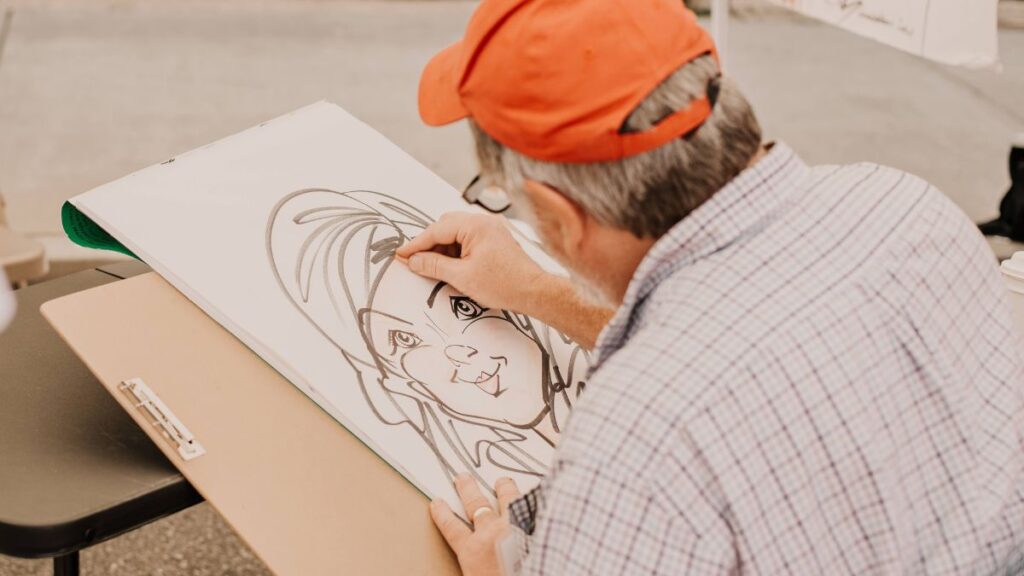
During his career, William learned because the job demanded it.
After retirement, he assumed learning needed a useful result. It had to produce income, save money, or solve a household problem.
That belief removed much of the fun.
William signed up for a local history class simply because the subject interested him. There was no test and no business goal. Still, he began looking forward to Thursday mornings.
The National Institute on Aging notes that mentally engaging and social activities may support cognitive health, although no single activity can guarantee protection from cognitive decline.
Useful subjects might include:
- Drawing
- A new language
- Music
- Photography
- Family history
- Cooking
- Bird identification
- Basic computer skills
- Local architecture
- Creative writing
Choose a course that includes regular meetings or small assignments. That gives you both social contact and visible progress.
Free and low cost options are often available through libraries, community centers, parks departments, faith groups, and community colleges.
The point is not to become an expert. The point is to become curious again.
7. William Chose a Project He Could Finish
“Organize the whole house” was too large.
“Sort one box of family photographs” was clear.
William had collected many unfinished goals during his first years of retirement. Each one was so broad that he did not know where to begin.
He finally chose one project with a visible finish line: create a digital album of 100 family photographs.
He divided it into small steps:
- Choose the photographs.
- Write names and dates.
- Scan 10 photographs each week.
- Arrange them in order.
- Send copies to family members.
The project took several weeks. More important, it gave those weeks a story.
A good retirement project has three features:
- It can be completed.
- Progress can be seen.
- The result matters to someone.
Other options include building a garden bed, recording family stories, painting one room, repairing an old chair, creating a recipe book, or planning a small family event.
Avoid starting five projects at once. Completion builds energy. A room filled with half finished work often creates guilt instead.
8. He Rebuilt Casual Friendships on Purpose
William still had friends. He simply saw them less.
Work had once provided small daily contacts without much planning. He spoke to people in the hallway, during lunch, and before meetings. Retirement removed those moments in a single day.
Social isolation is more than an unpleasant feeling. The CDC reports that loneliness and social isolation are associated with increased risks of depression, anxiety, heart disease, stroke, dementia, and earlier death.
An association does not mean loneliness will cause these outcomes in every person, but the pattern is serious.
William stopped saying, “We should get together sometime.”
He began offering a day and activity:
“Would Tuesday at 10 work for coffee?”
“Would you like to walk at the park next Friday?”
“Can William call on the first Sunday of each month?”
Recurring plans worked best because they removed repeated scheduling.
He also stopped expecting one friend or his spouse to meet every social need. He had walking friends, old work friends, neighbors, and family contacts.
That mix made his social life stronger and placed less pressure on any single relationship.
9. William Added a Small Amount of Paid Work

William did not want his old career back.
He did miss being trusted with a real task.
He began helping a small local business with records for several hours a week. The income was useful, but the larger benefit was having a role that required his skills.
Working after retirement is common for some older adults. Bureau of Labor Statistics data show that about one in five Americans age 65 and older participated in the labor force in 2024. Among employed people in that age group, 38.3 percent worked part time.
Possible work options include:
- Consulting
- Tutoring
- Seasonal retail work
- Pet sitting
- Bookkeeping
- Repair services
- Tour guiding
- Event support
- Teaching a short course
Paid work is not the right choice for every retiree. Health needs, caregiving duties, taxes, pension rules, and Social Security rules may affect the decision.
Check the financial effect before accepting work. Then set a firm limit on hours.
William wanted a useful role, not a second full time career.
10. He Gave Each Month One New Experience
One reason William felt bored was that every week looked familiar.
He did not need a luxury trip. He needed novelty.
At the start of each month, he placed one new experience on the calendar. Some cost money. Many did not.
His list included:
- Visiting a museum on a free entry day
- Walking a new park trail
- Attending a public lecture
- Taking a train to a nearby town
- Trying a beginner art class
- Going to a local sports event
- Visiting a garden
- Eating food from an unfamiliar culture
- Attending a community concert
A new experience gave William three benefits. He could look forward to it, enjoy it, and remember it later.
The activity did not need to be large. Newness was the important part.
Keep a list in your phone or notebook. Add ideas whenever you hear about an event or place. At the start of each month, choose one and set a date.
Without a date, an interesting idea often remains an idea.
11. William Made His Home Support Action

William’s living room made television the easiest activity in the house.
The remote was beside the chair. His guitar was inside a case in another room. Art supplies were hidden in a closet. Walking shoes were upstairs.
Small barriers mattered more than he realized.
William changed the setup:
- Walking shoes moved beside the door.
- A book and reading glasses stayed beside a well lit chair.
- Art supplies went into an open basket.
- The guitar remained on a safe stand.
- Project papers stayed together on a small desk.
- Clear paths made it easier to move through the house.
He did not buy a room full of new furniture. He made good activities easier to begin.
Try creating one small activity station. It might be a puzzle table, sewing basket, writing desk, plant shelf, or exercise corner.
Keep the most useful supplies visible and ready. Store extra materials nearby.
A hobby that requires 20 minutes of setup is easy to avoid. A hobby that can begin in 30 seconds has a much better chance.
12. He Stopped Waiting to Feel Motivated
William often told himself he would go out when he felt more interested.
The interest rarely arrived while he remained in his chair.
He began using a ten minute rule. He had to start the planned activity for ten minutes. After that, he could stop without guilt.
He could:
- Walk for ten minutes.
- Sort photographs for ten minutes.
- Practice guitar for ten minutes.
- Pull weeds for ten minutes.
- Read course material for ten minutes.
- Call a friend for ten minutes.
Most days, he continued. On low energy days, he stopped.
Both outcomes counted because he had kept the habit alive.
He also reduced the effort needed to start. Clothes were prepared before exercise. Project tools were placed on the table. Phone calls were added to the calendar.
Action often comes before motivation. Waiting for the perfect mood can keep you stuck.
Still, persistent loss of interest may be more than boredom. Speak with a doctor or mental health professional when low mood lasts for weeks or comes with hopelessness, major sleep changes, appetite changes, severe worry, or thoughts of self harm.
13. William Built a Life Around Being Useful
William’s biggest change was also the simplest.
He stopped asking, “How can William fill the day?”
He began asking, “Who could use William’s help?”
That question led to mentoring, volunteering, helping a neighbor, and teaching his grandson basic repair skills.
Being useful restored something entertainment could not provide. It gave his time a direction beyond personal comfort.
Useful roles can include:
- Teaching someone a skill
- Mentoring a younger worker
- Preparing a meal for a neighbor
- Helping with a community event
- Caring for grandchildren within clear limits
- Supporting a family caregiver
- Sharing transport
- Repairing items for a charity
- Recording local or family history
- Leading a small club
Research on volunteering suggests that helping roles can provide social contact, mental activity, and a sense of contribution. Benefits will vary by person, and taking on too much can create stress.
William protected time for rest, reading, and quiet mornings. Being useful did not mean being available to everyone.
It meant having at least one role that mattered beyond the walls of his home.
What Finally Ended William’s Retirement Boredom?
William did not fix retirement boredom by packing every hour.
He rebuilt what work had once provided:
- A reason to get up
- Regular contact
- Physical movement
- Visible progress
- New experiences
- A chance to contribute
- Something to expect
You do not need to make all 13 changes this month.
Choose one fixed weekly commitment. Then choose one project you can complete.
Put both on the calendar before the week begins.
Finding purpose after retirement often starts with a small promise. You decide where to be, what to do, and who is counting on you. Then you show up.
I’m Austin Becker, an advocate for living life with intention and resilience. I write for men who are actively navigating life’s major transitions, tackling the realities of reinvention and finding renewed purpose with grit and honesty. I believe that personal growth doesn’t have a deadline it’s about continuously gearing up for the chapters that matter most.
Through my work, I aim to strip away the clichés of modern manhood, offering practical, no-nonsense insights on health, mindset, and legacy for those who want to move forward with strength and clarity.