

Running out of money is one of the most common retirement fears. The worry can remain even when you have a pension, Social Security, or a large investment account.
The problem is rarely one careless purchase. Money often slips away through rising bills, weak tax planning, home repairs, medical costs, family requests, and withdrawals made without a clear system.
A long retirement makes those small choices matter. U.S. life expectancy at age 65 was 19.7 more years in 2024. Many people will live much longer than that average.
Important: This article provides general education, not personal financial, investment, tax, or legal advice. Your income, health, taxes, and family needs may require a different plan.
1. They Know Their Essential Monthly Number

Financially steady retirees know how much it costs to keep their basic life running.
They do not rely on a rough guess. They check bank statements, credit card records, insurance notices, and tax bills.
Your essential number should include:
- Housing
- Food
- Utilities
- Insurance
- Health care
- Transportation
- Taxes
- Minimum debt payments
Keep optional costs such as travel, gifts, restaurant meals, and hobbies in a separate group. This shows how much spending could be reduced during a hard year.
The Bureau of Labor Statistics reported that housing and transportation made up more than half of average household spending in 2024. That is why small changes to a mortgage, rent, vehicle, or commute can have a larger effect than cutting a few minor treats.
Use your own records rather than national averages. Your number is the one that matters.
2. They Pay Themselves a Monthly Retirement Paycheck

A large retirement balance can create a false sense of freedom. Every withdrawal may seem small compared with the full account.
Careful retirees solve this problem by creating a monthly paycheck.
They add up predictable income from Social Security, pensions, annuities, interest, and other sources. They then transfer a planned amount from savings or investments into their checking account.
For example, suppose essential and optional spending totals $5,000 per month. Social Security and a pension provide $3,700. A planned transfer of $1,300 fills the gap.
This system makes spending easier to track. It also prevents random withdrawals whenever the checking account becomes low.
Review the amount after a major change, such as a move, large medical bill, tax increase, or loss of income. Do not raise it simply because the market had one strong month.
3. They Keep a Cash Buffer for Bad Timing

A market decline becomes more dangerous when you must sell investments to pay next month’s bills.
A cash buffer can reduce that pressure.
The right amount depends on your income sources, risk level, expenses, and comfort. Some retirees hold several months of planned withdrawals. Others prefer a larger reserve because most of their income depends on investments.
Suitable places may include an FDIC insured savings account, a money market deposit account, or short term Treasury bills. Each choice has different access rules, yields, and risks.
Cash should have a clear job. Too little can force you to sell investments during a decline. Too much may lose buying power as prices rise.
The SEC explains that asset allocation means dividing investments among categories such as stocks, bonds, and cash. The right mix should reflect your goals, time frame, and ability to accept losses.
4. They Turn Large Purchases Into Monthly Costs
Many retirement budgets look fine until a roof leaks, a vehicle fails, or a large property tax bill arrives.
These are not always true surprises. They are often irregular costs that were left out of the monthly plan.
List large expenses that may appear during the year:
- Home repairs
- Vehicle maintenance
- Property taxes
- Insurance premiums
- Dental treatment
- Holiday gifts
- Family visits
- Appliance replacement
Estimate the yearly cost and divide it by 12. Transfer that amount into a separate savings account each month.
A $2,400 annual insurance bill becomes a $200 monthly expense. A planned $6,000 home repair fund requires $500 per month.
The expense does not disappear, but the payment becomes easier to handle.
5. They Keep Housing Costs Under Control

A paid off home can still be expensive.
Property taxes, insurance, utilities, maintenance, accessibility changes, and major repairs continue after the mortgage ends. A large house may also require more cleaning, yard work, heating, and cooling.
Retirees who protect their money review the full yearly cost of the home. They do not focus on the mortgage alone.
Ask four questions:
- Can the home be maintained without debt?
- Could you live safely there if mobility became limited?
- Are taxes and insurance rising faster than income?
- Would moving truly reduce total costs?
Downsizing can help, but it is not free. Closing costs, moving fees, renovations, homeowner association charges, and higher local taxes can erase part of the savings.
The CFPB suggests considering lower housing costs, downsizing, or paying off a mortgage when planning retirement income.
Make this decision before a health or money crisis forces it.
6. They Choose Their Social Security Age Carefully
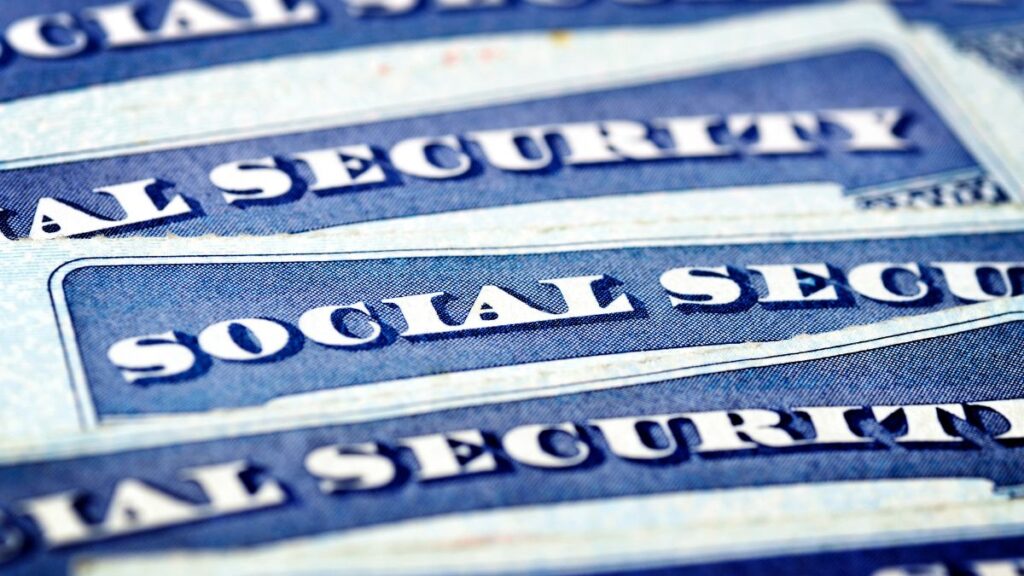
Social Security can usually begin at age 62, but starting early reduces the monthly payment.
The Social Security Administration allows retirement benefits to begin between ages 62 and 70. The monthly amount generally increases the longer you wait, up to age 70.
The CFPB notes that claiming before full retirement age may reduce the monthly benefit by as much as 30 percent.
Waiting is not right for everyone. Early claiming may make sense when you have serious health concerns, cannot keep working, lack other income, or need to support a spouse.
Still, the choice deserves more thought than, “I am eligible, so I should claim.”
Consider:
- Your health
- Family longevity
- Spousal and survivor benefits
- Other income
- Current employment
- Taxes
- Monthly cash needs
The estimated average monthly retirement benefit was $2,071 in January 2026. Your actual payment may be much lower or higher because it depends on your earnings record and claiming age.
Use your official Social Security estimate before making the decision.
7. They Give Health Care Its Own Budget

Medicare does not remove every health cost.
You may still pay premiums, deductibles, copayments, coinsurance, prescription costs, dental bills, hearing costs, glasses, and services that are not covered.
The standard Medicare Part B premium is $202.90 per month in 2026. Some people pay more because of income, and the amount can change each year.
Create a separate health care category containing:
- Medicare premiums
- Supplemental or Advantage plan costs
- Prescription drugs
- Dental care
- Vision and hearing care
- Medical equipment
- Travel for treatment
- An emergency medical reserve
Review Medicare choices during the proper enrollment period each year. A plan that worked well last year may change its drug list, provider network, premiums, or other costs.
Do not choose coverage based on the premium alone. A low premium may come with larger costs when care is needed.
8. They Review Insurance Instead of Renewing Blindly

Automatic renewal is easy. It can also hide rising prices or outdated coverage.
Once a year, review home, auto, umbrella, life, drug, and supplemental health policies.
Check:
- The premium
- The deductible
- Coverage limits
- Exclusions
- Discounts
- Whether your property values are current
- Whether the policy still serves a real need
Ask for quotes, but compare the same level of coverage. A cheaper policy is not a bargain when it removes protection you need.
Life insurance deserves special care. Some retirees no longer need as much coverage once children are independent and debts are paid. Others still need it for a spouse, business obligation, dependent child, or estate plan.
Do not cancel a policy until you understand the effect. Replacing old coverage may be expensive or impossible after a health change.
9. They Keep Their Investments Easy to Explain
A retirement portfolio does not need to be exciting.
In fact, excitement often leads to unnecessary trading, high fees, concentrated risks, and investments that are hard to value or sell.
A simple portfolio may use a mix of broad stock funds, bond funds, cash, and other assets selected for a clear purpose.
The SEC describes diversification as spreading money among different investments to reduce risk. It does not prevent every loss, but it can reduce the damage caused by relying too heavily on one company, sector, or asset.
Ask these questions about every investment:
- What does it own?
- How does it make money?
- What are the fees?
- How quickly can it be sold?
- How much could it lose?
- Why is it in the portfolio?
If you cannot explain an investment in a few plain sentences, pause before buying it.
Complex does not always mean better.
10. They Rebalance Instead of Following Headlines

Markets move. A planned investment mix can slowly become much riskier than intended.
Suppose your target is 50 percent stocks, 40 percent bonds, and 10 percent cash. After a strong stock market, stocks may grow to 65 percent of the portfolio.
Rebalancing means returning the portfolio closer to its chosen mix.
The SEC says rebalancing helps keep a portfolio from placing too much weight on one or more asset categories.
Many investors review their mix once or twice a year. Others act when an asset moves a set amount away from its target.
The goal is not to predict tomorrow’s market. It is to keep risk linked to your plan.
Before selling, consider taxes, trading costs, and account type. You may be able to rebalance by directing withdrawals, dividends, or new deposits to the areas that have become too small.
11. They Allow Optional Spending to Change
A fixed lifestyle can place too much pressure on a changing portfolio.
Careful retirees protect essential spending but allow optional costs to move up or down.
After a poor market year, they might reduce:
- Long trips
- Major gifts
- Restaurant meals
- Home upgrades
- New vehicle purchases
- Expensive hobbies
This does not mean panic or severe cuts. A small temporary change may be enough.
For example, a couple planning $18,000 for travel might spend $12,000 after a weak investment year. The remaining $6,000 stays invested or supports the cash reserve.
Flexible spending also works in the other direction. A strong year may allow more enjoyment, but only after checking taxes, future bills, and the health of the full plan.
Your retirement should support a good life. The key is making optional spending respond to reality.
12. They Plan Taxes Before Withdrawing Money

Two withdrawals of the same size can have different tax results.
Money from a traditional retirement account is generally treated differently from money in a Roth account or taxable brokerage account. Social Security may also become taxable depending on total income.
Large withdrawals can affect:
- Federal income tax
- State income tax
- Medicare premiums
- Investment taxes
- The amount left for future years
Required minimum distributions generally begin at age 73 for traditional IRAs and many retirement plan accounts. Special rules may apply to workplace plans and business owners.
Do not wait until December to discover that a withdrawal created a larger tax bill.
Review expected income before taking money for a car, home renovation, or family gift. In some cases, spreading withdrawals across tax years may help. In other cases, delaying the purchase may make little difference.
A qualified tax professional can help when you have several account types, large gains, inherited accounts, or required distributions.
13. They Read Bills Before Paying Them
Small billing errors can continue for months when every payment is automatic.
Review medical bills, insurance notices, bank statements, utility charges, and subscriptions. Look for duplicate charges, services you did not receive, incorrect insurance processing, and old memberships.
The CFPB has warned that older adults can face inaccurate medical bills and collection attempts for amounts they do not owe.
Set aside 20 minutes each week to review recent charges.
Ask:
- Do I recognize this company?
- Is the amount correct?
- Did insurance process the claim?
- Am I paying for a service I stopped using?
- Has a free trial become a paid plan?
Do not ignore a small strange charge. Fraudsters sometimes test an account with a minor purchase before attempting a larger one.
14. They Put Limits Around Family Support

Helping family can be deeply meaningful. It can also harm your retirement when there is no limit.
Before giving money, check what the gift does to your future housing, health care, taxes, and monthly income.
Create a family support amount in your budget. Once it has been used, further help may need to wait.
Be clear about whether the money is:
- A gift
- A loan
- An advance on an inheritance
- Payment for shared expenses
Loans between relatives often create stress when the terms are unclear. Write down the amount, payment schedule, and what happens if repayment becomes difficult.
Never borrow against your home or drain retirement accounts simply because a relative describes the request as urgent.
You can help in other ways. Offer child care, meals, transportation, research, or a smaller amount you can afford to lose.
15. They Slow Down When Money Feels Urgent
Scammers create panic because panic blocks careful thought.
A caller may claim that your account was hacked, your grandchild is in danger, your taxes are overdue, or a prize requires an immediate payment.
Financially careful retirees pause.
They contact the bank, company, agency, or family member using a number they already trust. They do not use the contact information provided by the caller or message.
The CFPB and FDIC created the Money Smart for Older Adults program to help older adults and caregivers prevent, recognize, and report scams and financial exploitation.
Protect yourself with a few simple rules:
- Never share a verification code.
- Do not allow remote access to your computer.
- Turn on transaction alerts.
- Use unique passwords.
- Add a trusted contact to investment accounts when appropriate.
- Never pay a supposed government debt with gift cards or cryptocurrency.
- Discuss large transfers with someone you trust.
Real opportunities can survive a careful review. Scams depend on speed and secrecy.
16. They Hold a Short Money Meeting Every Month

Money problems grow when nobody looks at them.
A monthly review can take less than an hour. Couples should attend together, even when one person normally handles the accounts.
Review:
- Income received
- Total spending
- Investment withdrawals
- Account balances
- Upcoming taxes
- Large future bills
- Insurance notices
- Unusual transactions
Keep the meeting calm. It is not a time to blame each other for every purchase.
End with two or three clear actions. One person might call the insurance company. The other might cancel a subscription or schedule a tax appointment.
A shared review also protects the household if the main money manager becomes sick or dies. Both partners should know where accounts, policies, passwords, and important documents are kept.
17. They Change the Plan When Life Changes
A retirement plan is not finished on the day you leave work.
It should be reviewed after major events such as:
- The death of a spouse
- A serious diagnosis
- A move
- An inheritance
- A divorce
- A large market loss
- The sale of a home
- A change in pension income
- New support for a family member
Update beneficiaries, insurance, powers of attorney, wills, account access, and emergency contacts when needed.
The CFPB notes that retirement may last 20 years or more, making later life financial decisions an important part of the plan.
Choose a trusted person who could help if you become unable to manage bills. Give that person the information and legal authority needed for the role. A verbal promise may not be enough.
Review the full plan at least once a year, even when nothing seems wrong. Small updates are easier than emergency decisions.
A Simple Monthly Retirement Money Check
| What to review | Question to ask | Action |
|---|---|---|
| Essential spending | Did basic bills rise? | Update the monthly number |
| Optional spending | Are extras crowding out needs? | Set a limit for next month |
| Cash reserve | Can it cover planned withdrawals? | Refill it if needed |
| Investments | Has the risk level changed? | Consider rebalancing |
| Taxes | Will withdrawals raise the tax bill? | Estimate before withdrawing |
| Health costs | Did premiums or drugs change? | Review coverage |
| Fraud | Are there unfamiliar charges? | Contact the provider quickly |
| Future bills | What large cost is coming? | Add money to a sinking fund |
Final Thoughts
Retirees who keep their money are not always richer, luckier, or better at predicting markets.
They use small systems. They know what life costs, create a monthly paycheck, prepare for repairs, watch taxes, review insurance, and slow down before making large decisions.
Most important, they adjust. A retirement plan must change as health, markets, prices, and family needs change.

I’m Austin Becker, an advocate for living life with intention and resilience. I write for men who are actively navigating life’s major transitions, tackling the realities of reinvention and finding renewed purpose with grit and honesty. I believe that personal growth doesn’t have a deadline it’s about continuously gearing up for the chapters that matter most.
Through my work, I aim to strip away the clichés of modern manhood, offering practical, no-nonsense insights on health, mindset, and legacy for those who want to move forward with strength and clarity.