

You worked for years to reach retirement. Now you finally have more control over your time.
But free time does not always feel as good as expected. Without a work schedule, the days can start blending together. You may move less, see fewer people, and lose the small goals that once gave each week a clear shape.
Money matters, but it is only part of the answer. The Consumer Financial Protection Bureau notes that retirement may last 20 years or more. That is a long stretch of life to fill with more than bills, television, and occasional vacations.
The boomers who seem to be doing well are not following one perfect plan. They are building ordinary routines that support their health, friendships, purpose, finances, and independence.
1. Give Every Week a Simple Shape

A completely open calendar can sound wonderful. After a few months, it can also make Monday feel the same as Saturday.
Create a loose weekly rhythm. You might walk on weekday mornings, shop on Tuesday, meet a friend on Thursday, and prepare meals on Sunday.
You do not need to schedule every hour. In fact, too much structure can make retirement feel like another job.
Start with three daily anchors:
- A regular time to get up
- One reason to leave the house
- A clear evening routine
The National Institute on Aging encourages older adults to stay physically active, socially connected, and involved in activities they enjoy. A simple schedule makes those things easier to repeat.
Try planning only 60 percent of your week. Leave the rest open for rest, appointments, family needs, or an unexpected invitation.
2. Move Most Days Without Turning Life Into Boot Camp

You do not need a hard workout to have an active retirement. You need movement you can repeat.
Walking around the neighborhood counts. So do gardening, swimming, dancing, cycling, and active housework.
Current CDC guidance says adults should work toward at least 150 minutes of moderate activity each week. Adults should also include muscle strengthening work on at least two days.
That may sound like a lot if you have been inactive. Break it into smaller pieces.
A simple week could include:
- A 20 minute walk on five days
- Two short strength sessions
- Light stretching while watching television
- One active social plan
Start at a level that fits your health and mobility. Ten steady minutes are more useful than an ambitious plan you quit after three days.
Ask your health professional about suitable activity if you have pain, heart concerns, breathing problems, or recent surgery.
3. Practice Balance Before a Fall Forces the Issue
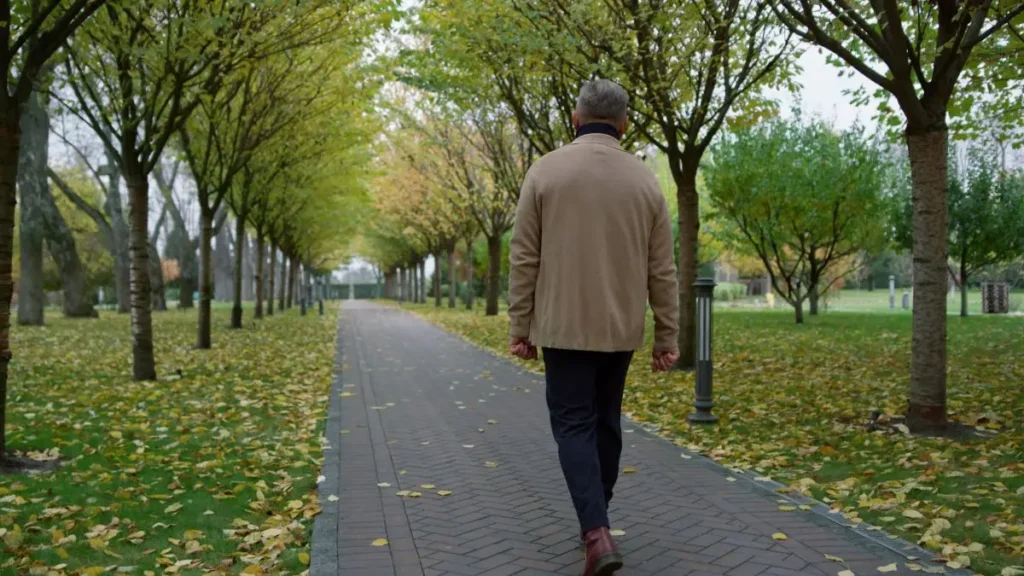
Balance can slowly weaken without being obvious. You may first notice it when stepping off a curb, getting out of the shower, or walking across uneven ground.
Do not wait for a fall before working on it.
The CDC reports that more than one in four older adults falls each year. Falls are common, but the agency stresses that many can be prevented.
Simple balance practice may include:
- Standing on one foot while holding a sturdy counter
- Slowly walking heel to toe
- Doing controlled heel raises
- Taking a suitable tai chi or balance class
- Strengthening your legs and core
Older adults are advised to include balance focused movement along with aerobic and strength activity.
Practice near a stable surface. Do not try difficult exercises alone if you already feel unsteady.
Dizziness, sudden weakness, or repeated falls need medical attention. They are not problems to hide out of embarrassment.
4. Protect a Steady Sleep Schedule
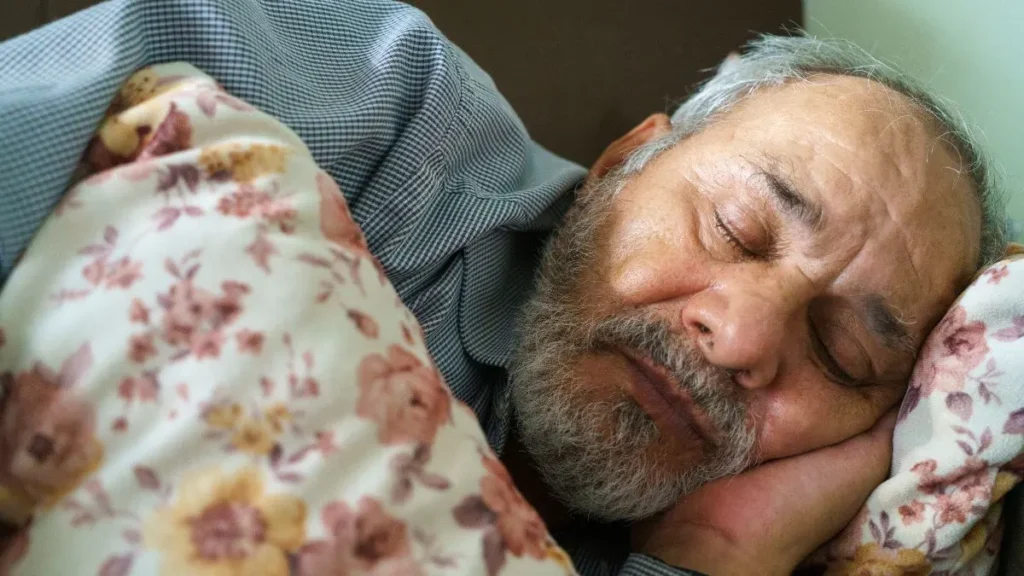
Retirement removes the alarm clock, but sleeping at random times can leave you feeling tired all day.
The CDC recommends seven to nine hours of sleep for adults ages 61 to 64. Adults age 65 and older are generally advised to get seven to eight hours. Sleep quality matters as much as the number of hours.
Try getting up at roughly the same time each morning. A stable wake time often helps the rest of the day fall into place.
Daylight, regular activity, and a calm evening routine can also help. Mayo Clinic advises limiting late caffeine, heavy meals, long naps, and alcohol close to bedtime.
Do not treat poor sleep as a normal part of getting older. Talk with a health professional if you regularly wake up exhausted, snore heavily, stop breathing during sleep, or struggle with insomnia.
Better sleep makes movement, cooking, social plans, and clear thinking easier the next day.
5. Put Friendship on the Calendar

Work creates regular contact without much planning. Retirement removes many of those small conversations.
You may still have close friends, but everyone has different routines, health needs, and family duties. Waiting for someone to call can lead to long quiet stretches.
The CDC reports that about one in three adults in the United States feels lonely. About one in four says they lack enough social and emotional support.
Treat social contact like an important appointment.
Set up a repeating plan, such as:
- Coffee on the first Tuesday of each month
- A weekly phone call with a sibling
- A Saturday walking group
- A shared meal every two weeks
- A regular class at a library or community center
You do not need a huge social circle. A few reliable relationships can be more useful than many weak ones.
Connection also requires effort from both sides. Send the message. Suggest the date. Be the person who keeps the plan alive.
6. Keep One Role That Makes You Feel Useful

A job gave you tasks, deadlines, and people who needed your skills. When that ends, you may miss being useful more than you miss the work itself.
Choose one role that allows you to contribute without taking over your life.
You might mentor a younger worker, tutor a student, help at a food pantry, support a community garden, or drive a neighbor to appointments.
AARP lists volunteer programs such as Tax Aide, Driver Safety, and Experience Corps. Local libraries, schools, hospitals, animal shelters, and faith groups may offer other options.
Set limits from the start. Two hours a week may be enough. Retirement does not need to become unpaid full time work.
The goal is contribution, not status. You want a reason to show up and a clear way to help.
Activities that combine purpose with social contact can be especially valuable. The National Institute on Aging encourages participation in enjoyable social and community activities as people age.
7. Learn Something That Feels Slightly Difficult

Passive entertainment fills time. Active learning gives you progress you can feel.
Choose something that makes you a beginner again. Try a language, musical instrument, painting class, family history project, photography course, or technology workshop.
The National Institute on Aging says that trying and learning new skills may support cognitive abilities. Its examples include older adults learning activities such as quilting and digital photography.
The subject matters less than your level of effort.
Choose an activity that requires you to:
- Remember new information
- Practice between sessions
- Solve small problems
- Notice improvement
- Speak with other learners
Feeling awkward at first is normal. That is part of learning.
Be careful with products that promise to prevent memory loss through one game, supplement, or app. Brain health is linked with several habits, including physical activity, sleep, health care, and social connection. No single puzzle can do all the work.
8. Hold a Monthly Money Meeting

Retirement money can disappear quietly through small leaks. Subscriptions, insurance increases, home repairs, family support, and frequent meals out can add up.
Set one date each month to review your finances.
Look at:
- Income received
- Regular bills
- Credit card spending
- Medical costs
- Upcoming repairs
- Travel or gift spending
- Subscriptions you no longer use
This is not about feeling guilty every time you buy lunch. It is about seeing changes early.
Consumer Financial Protection Bureau research found that older adults who use budgets, set financial goals, and create action plans tend to report stronger financial wellbeing than those who do not use those habits.
Couples should attend the meeting together when possible. Both people should know where key accounts, bills, and documents are kept.
Ask a qualified professional for help with tax, investment, estate, or withdrawal decisions. A friend’s strategy may not fit your income, health costs, or family situation.
9. Keep Emergency Money and a Trusted Contact Plan

A retirement budget covers expected costs. Life still produces unexpected ones.
A water heater breaks. A dental bill arrives. A car needs work. An adult child needs urgent help.
The Consumer Financial Protection Bureau defines an emergency fund as cash kept for unplanned expenses such as medical bills, car repairs, and home repairs.
Keep this money separate from normal spending when possible. The right amount depends on your income, insurance, housing, and access to other funds.
You also need a trusted contact plan.
Keep a secure record of:
- Key financial accounts
- Insurance details
- Important phone numbers
- Regular bills
- Professional contacts
- The location of legal documents
Choose a trustworthy person who could help during an illness or emergency. This does not mean giving up control of your money.
The Consumer Financial Protection Bureau recommends planning ahead because changes in financial ability can increase vulnerability to fraud and abuse.
10. Make the Home Easier to Manage Every Year
A home should support your retirement. It should not consume all your time, money, and energy.
Look around for items and spaces that create work without giving you much value.
You might remove unused furniture, reduce duplicate kitchen items, clear an overfilled garage, or stop storing things for relatives who have room of their own.
Work in small rounds. One cupboard or drawer is enough for a single day.
Also look at the larger cost of the home. The Consumer Financial Protection Bureau notes that housing can be a major retirement expense. It advises considering options such as reducing large expenses, paying down debt, or downsizing when that fits the household.
Downsizing is not right for everyone. Moving can be expensive, tiring, and emotionally difficult.
The better question is simple: Does this home still fit your money, health, location needs, and daily life?
Ask it every year, before a crisis makes the choice for you.
11. Fix Small Home Hazards Before They Cause a Fall
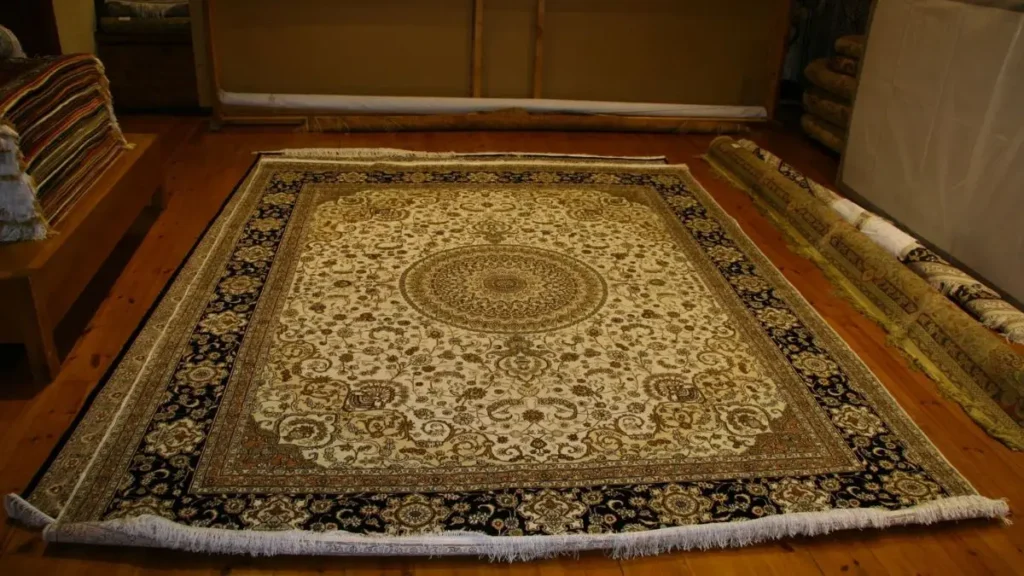
You do not need to make your home look like a hospital. You do need clear paths, good lighting, and safe surfaces.
Walk through the home as if you were seeing it for the first time.
Check for:
- Loose rugs
- Dark stairs
- Cluttered hallways
- Electrical cords across walking paths
- Slippery bathroom floors
- Unstable stools
- Frequently used items stored too high
Add brighter bulbs where needed. Place a lamp or night light between the bed and bathroom. Install secure rails or grab bars in areas where you need support.
The National Institute on Aging notes that fall risk rises with age and that falls can lead to fractures, hospital stays, and loss of independence.
Home changes are only one part of fall prevention. Review vision, footwear, balance, and medications with a health professional. Some medicines or combinations can cause dizziness or weakness.
Fixing one loose rug today is more useful than planning a perfect renovation next year.
12. Use Preventive Care Before Something Feels Wrong

Do not save health care for emergencies.
Make a yearly list of the appointments, screenings, vaccines, dental care, vision checks, and medication reviews that may apply to you.
Medicare explains that preventive services can include exams, vaccines, screenings, laboratory tests, monitoring programs, and health counseling.
People with Medicare Part B may qualify for a yearly wellness visit. This visit can include blood pressure and other routine measurements, a prescription review, a health risk assessment, and a written prevention plan. It is not the same as a complete physical exam.
Before an appointment, write down:
- New symptoms
- Changes in balance or memory
- Sleep problems
- Medication side effects
- Questions about vaccines
- Changes in mood or appetite
Bring an updated medication and supplement list.
Do not stop prescription medicine because of something you read online. Ask the prescribing professional about side effects, costs, or possible alternatives.
13. Repeat Simple Meals That Make Healthy Eating Easy

Healthy eating becomes harder when every meal requires a new recipe.
Successful routines are often boring in a useful way. Create a short list of breakfasts, lunches, and dinners that you enjoy and can prepare without much effort.
A simple meal pattern might include:
- Oatmeal, yogurt, eggs, or fruit for breakfast
- Soup, salad, beans, or leftovers for lunch
- Vegetables, whole grains, and a suitable protein for dinner
- Nuts, fruit, or yogurt for snacks
Frozen vegetables, canned beans, and canned fish can make meals easier. Check labels when you need to limit salt, sugar, or other ingredients.
The World Health Organization’s 2026 healthy diet guidance encourages a varied mix of nutrient rich foods. Examples include fruits, vegetables, whole grains, legumes, nuts, seeds, and suitable animal protein foods.
Your needs may change with diabetes, kidney disease, swallowing trouble, medicine use, or low appetite. Ask a doctor or registered dietitian for personal guidance when needed.
14. Keep One Small Adventure Ahead of You

You do not need a costly bucket list to make retirement feel interesting.
A small adventure could be a train ride, museum visit, gardening workshop, family weekend, new restaurant, local concert, or walk in a nearby park.
The key is having something pleasant ahead of you.
AARP’s 2025 Travel Trends survey found that 70 percent of surveyed travelers age 50 and older planned to travel that year. Spending time with family and friends was one of the main reasons.
Travel is not affordable or practical for everyone. Health limits, caregiving duties, pets, and money can make long trips difficult.
Keep the idea flexible:
- Explore somewhere within an hour of home
- Attend a free community event
- Visit a friend for lunch
- Try a class for one month
- Plan a themed meal with family
Put the next enjoyable plan on the calendar before the current one ends. Anticipation gives the week a little lift.
The Best Retirement Habits Are Small Enough to Repeat
A satisfying retirement is rarely built through one major decision. It grows from small choices made again and again.
You move your body. You call a friend. You check your money. You remove a loose rug. You learn something new. You put one enjoyable plan on next month’s calendar.
You do not need to adopt all 14 post retirement habits at once. That would turn a helpful list into another source of pressure.
Choose two habits that solve your biggest problem right now. Put them on next week’s calendar with a clear day and time.
A good retirement does not need to look impressive from the outside. It needs to feel useful, connected, safe, and enjoyable to you.

I’m Austin Becker, an advocate for living life with intention and resilience. I write for men who are actively navigating life’s major transitions, tackling the realities of reinvention and finding renewed purpose with grit and honesty. I believe that personal growth doesn’t have a deadline it’s about continuously gearing up for the chapters that matter most.
Through my work, I aim to strip away the clichés of modern manhood, offering practical, no-nonsense insights on health, mindset, and legacy for those who want to move forward with strength and clarity.