

You spend forty years perfectly executing your retirement savings plan. Then you watch it crumble in the first forty days because you optimized for the wrong variables. Most people treat stopping work like simple math.
The shift from saving to spending brings massive friction. Tax traps and identity crises appear out of nowhere. The spreadsheet stops working when real life happens.
Financial researcher Mark interviewed 40 actual retirees to find out what goes wrong. He backed their stories with 2026 data from Schroders, EBRI, and Nationwide. These 10 retirement planning tips will transform how you view your money and prevent major retirement regrets.
1. How to Fix the 16 Percent Healthcare Tax Surprise

Plan for out of pocket medical costs because Medicare is not a blank check.
Medicare is not free. Out of pocket costs represent a hidden tax on your monthly budget. Many retirees falsely assume Medicare is totally comprehensive.
Failing to budget for premiums and the drug coverage gap drains liquid cash fast. The 2026 Schroders US Retirement Survey reveals that retirees spend an average of 16 percent of their total monthly income on healthcare. Even worse, 58 percent mistakenly expected Medicare to cover a greater share.
You must actively plan for extra costs like dental, vision, and nursing care. Calculate a dedicated medical reserve using actual 2026 premium numbers. For example, standard Part B premiums cost $202.90 per month.
These retirement planning tips protect your retirement savings.
2. Why Claiming Social Security Early Causes a 30 Percent Pay Cut

Delaying your benefits protects your monthly income from a permanent reduction.
Once you sign that paper, you are locked in for life. The psychological temptation to claim benefits at age 62 is incredibly strong. But claiming at 62 permanently reduces your monthly payout by up to 30 percent compared to your Full Retirement Age.
Transamerica data shows the median social security claiming age is 63. If your full benefit is $2,000, claiming early at 62 slashes your check to $1,400. That is a $600 penalty every single month.
Delaying until age 70 secures a guaranteed increase of 8 percent per year in delayed credits. Bridge the gap between the urge for quick cash and the mathematical reality of delayed credits. Challenge yourself to use a longevity calculator before claiming to avoid major retirement regrets.
3. Ways to Stop Credit Card Debt From Leaking Your Wealth

Entering your golden years with high interest debt ruins your monthly budget.
You cannot afford to pay 21 percent interest on a fixed income. Carrying debt forces you to take larger portfolio distributions during market downturns. This raises your tax bracket and speeds up how fast you run through your nest egg.
Debt payments crowd out non negotiable expenses like healthcare. According to the Employee Benefit Research Institute, nearly 7 in 10 retirees report carrying outstanding credit card debt. This massive spike has doubled the number of seniors reporting that their spending is higher than they can afford.
Aggressive debt paydown must take priority over squeezing a few more dollars into your accounts. Treat debt elimination as a guaranteed high yield return on investment. This is one of the best ways to protect your retirement savings and avoid retirement regrets.
4. How to Avoid the Dream House Cash Flow Nightmare

Downsizing your home should save you money instead of draining your liquid funds.
The day you retire is the worst day to buy a home. Instead of downsizing, many retirees use lump sum payouts to build an ultimate dream home. Pivot from the emotional desire for a reward to the reality of real estate tying up critical cash.
Unexpected property taxes, HOA fees, and remodeling quickly drain liquid funds. Financial planner analysis from Manske shows that up to 15 percent of retirees regret moving or custom building immediately after stopping work. The home became an unmanageable liquidity drain.
Downsizing or aging in place modifications should be calculated as capital expenses. They are not post work impulse buys. Give yourself a one year cooling off period before making any real estate moves to follow good retirement planning tips.
5. What to Do About the Day One Identity Shock

Your bank account isn’t the only thing that needs preparing. Your brain does too. Losing a career identity can leave retirees feeling isolated.
This happens regardless of how much they saved. The transition is emotional, not just financial. Losing the daily structure of work leads to anxiety and depression.
Phoenix Group surveys show that 8 percent of retirees regret stopping work as early as they did. They missed the social connection, routine, and sense of purpose. Preston Cherry, a financial planner, notes a massive challenge.
Fully 60 percent of financial advisors state that adjusting to a lack of active work identity is the top challenge for clients in their first two years. Ease into this new life stage with part time consulting or structured volunteer work to avoid retirement regrets.
6. The 5 Minute Solution to the Decumulation Paradox

Protecting your capital matters more than growing it once you stop working.
The skills that got you to this point will get you in trouble now. You face a sequence of returns risk. A market drop in your first three years can derail your entire plan.
Deb Boyden from Schroders highlights that accumulating wealth and spending wealth are entirely different challenges. Investing for growth requires aggressive action. Decumulation requires preserving capital.
Nationwide data shows that 47 percent of recent retirees had to alter how they withdrew money due to early market volatility. Only 40 percent felt on track with their plan. Withdrawing money during a market dip permanently damages your portfolio.
Set up a cash buffer to cover three to five years of basic living expenses. Following these retirement planning tips protects your retirement savings.
7. Why Underestimating Your Lifespan is a Massive Risk

The biggest financial risk isn’t the stock market. It is your own health. Underestimating your lifespan leaves you vulnerable to expensive later life care.
Pre retirees consistently underestimate how long they will actually live. Failing to account for skyrocketing nursing assistance costs is dangerous. Netwealth research shows that 25 percent of retirees aged 75 and older underestimated their life expectancy.
They expressed deep anxiety about late stage care costs. Furthermore, 43 percent regretted not preparing specifically for these expenses. A thirty year break from work is now standard.
Derek Tharp, a 2026 financial researcher, advocates for a steady 1 to 2 percent annual spending decline as a safer baseline. Build a dedicated plan for long term care insurance or medical savings to prevent retirement regrets.
8. How to Fix the Adult Child Financial Drain

Setting strict financial boundaries with family protects your fixed income.
Your love for your children shouldn’t compromise your own security. Address the quiet drain of paying for adult children while living on a fixed income. Helping with home down payments or college loans is admirable but dangerous.
Financial advisory surveys list unplanned financial support for adult children as a massive problem. It is one of the top five non discretionary spending drains that push seniors back into the workforce. You cannot take out a loan to fund your later years.
But your children can take out loans for college. Create clear talking points to help you set healthy boundaries with your family before cutting off your salary. These retirement planning tips ensure your money lasts.
9. Ways to Handle Expensive Luxury Purchase Impulses

Renting luxury items first prevents you from wasting capital on things you rarely use.
RVs, boats, and timeshares are the black holes of cash flow. Detail the hidden costs like maintenance, depreciation, and storage that drain liquid funds. The honeymoon phase often leads to major illiquid luxury purchases.
AARP tracking highlights that specialized luxury assets are sold within three years of purchase at a 30 to 50 percent loss. This happens due to underuse and high upkeep costs. Compare spending $120,000 upfront on an RV with $5,000 in annual maintenance versus renting one for $3,000 a week twice a year.
Use the rent first rule to test your lifestyle before committing capital. Doing this stops major retirement regrets.
10. Why Skipping a Professional Second Opinion is Costly

A formal written plan dramatically increases your confidence and historical success rates.
You only get one chance to do this right. There are no do overs. Address the limits of doing it yourself.
You might miss complex tax laws, Roth conversions, and Required Minimum Distributions. A formal written plan dramatically increases confidence and historical success rates. Standard Life research reveals that 42 percent of retirees regret not seeking professional advice before accessing their pension savings.
Those who worked with a professional reported significantly higher satisfaction. Use the Boldin Retirement Planner for self directed cash flow modeling first. Then hire a flat fee certified financial planner for a single objective plan review.
Good retirement planning tips always include seeking a second opinion.
Conclusion
Stopping work isn’t a single day event. It is a dynamic thirty year phase of life. Avoiding hidden pitfalls will keep your nest egg safe.
Pay attention to healthcare, claiming Social Security, and the emotional transition. Don’t let your future rest on guesswork. Perform a basic cash flow audit today.
| Lesson and Number | The Hidden Danger or Reality | The Data and 2026 Proof | Actionable Solution |
| 1. Healthcare Tax | Medicare has large coverage gaps. | Seniors spend 16% of monthly income on care. | Set up a medical fund for Part B premiums. |
| 2. Social Security | Claiming early at age 62 cuts payouts. | Claiming at 62 slashes benefits by 30%. | Delay claiming benefits to age 70 if possible. |
| 3. Credit Card Debt | High interest rates drain portfolio cash. | Nearly 7 in 10 retirees carry card debt. | Eliminate high interest debt before you stop working. |
| 4. Dream House Upgrade | Large homes drain liquid money fast. | 15% of retirees regret moving immediately. | Wait for a one year cooling off period first. |
| 5. Identity Shock | Losing career identity causes depression. | 60% of advisors say identity loss is a top issue. | Transition with part time consulting or volunteer work. |
| 6. Decumulation Paradox | Market drops early on damage your savings. | 47% of retirees altered withdrawals due to drops. | Keep 3 to 5 years of cash in a safe buffer. |
| 7. Longevity Risk | Seniors often live longer than they budget. | 25% of seniors over 75 underestimated lifespans. | Plan for a steady 1% to 2% spending decline. |
| 8. Adult Child Drain | Gifting too much cash harms your security. | This is a top 5 reason seniors return to work. | Create strict financial boundaries with family early. |
| 9. Luxury Impulses | RVs and boats drain cash with upkeep. | Specialty assets sell at a 30% to 50% loss. | Use the rent first rule before buying big items. |
| 10. DIY Planning | DIY planners miss tax rules and gaps. | 42% of retirees regret not seeking advice. | Hire a flat fee advisor for a single review. |
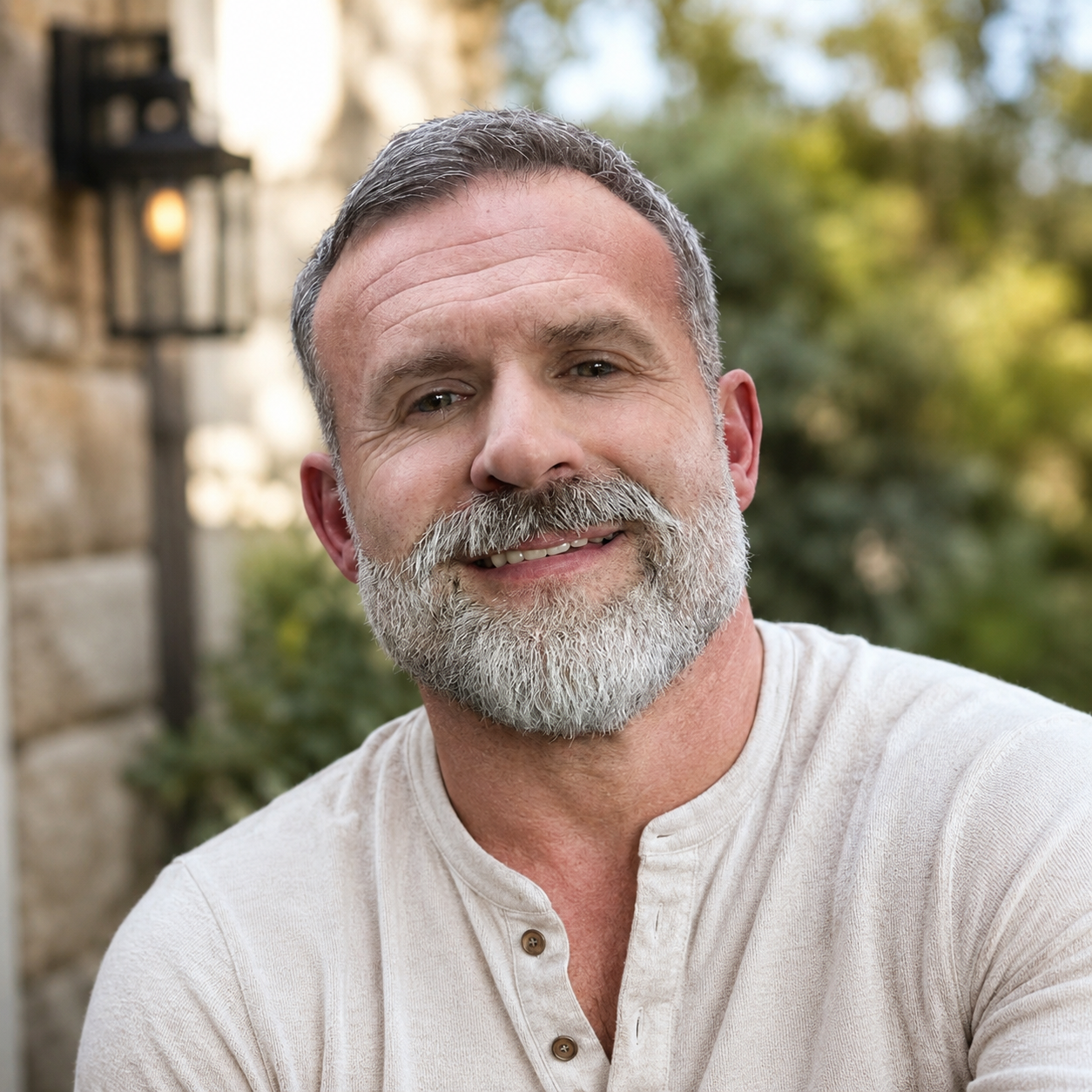
I’m Austin Becker, an advocate for living life with intention and resilience. I write for men who are actively navigating life’s major transitions, tackling the realities of reinvention and finding renewed purpose with grit and honesty. I believe that personal growth doesn’t have a deadline it’s about continuously gearing up for the chapters that matter most.
Through my work, I aim to strip away the clichés of modern manhood, offering practical, no-nonsense insights on health, mindset, and legacy for those who want to move forward with strength and clarity.