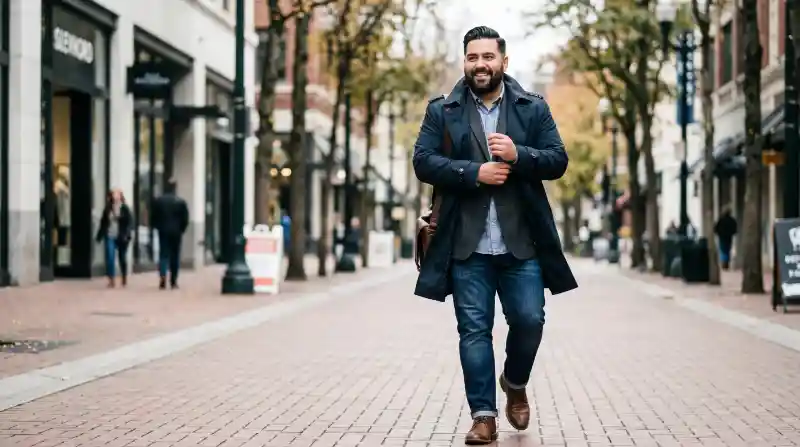
Some mornings you stand in front of the mirror and nothing feels right. Clothes you used to like suddenly feel tight or awkward. Even after changing outfits, confidence still does not show up the way you want.
This article breaks down simple ways to dress in a way that supports your shape and mindset without forcing trends.
You will learn what actually builds real confidence through fit, balance, and everyday choices that feel natural to wear. Confidence grows when clothes stop working against you and start supporting how you move through the day with ease and presence.
Your Clothes Are Already Sending a Message — Here’s What They’re Saying
Every morning, you make a choice even when it doesn’t feel like one. Grabbing whatever fits, defaulting to the same stretched-out shirt, reaching for the baggiest option in the closet that’s still a decision. And it’s communicating something to every person you meet before you say a single word.
People form first impressions in seconds. What you wear shapes how others read you — whether you seem put-together, confident, or like someone who’s given up on himself. That’s not shallow. That’s just how human brains work.
Here’s what common plus size default choices are actually signaling:
- Oversized, shapeless tops “I’m hiding.” It doesn’t slim you down it makes you look larger and uncertain
- Clothes with visible wear (pilling, stretched collars, faded fabric) “I don’t think I’m worth the effort”
- Ill-fitting trousers that bunch or drag “I bought what was available, not what fits”
- All-black everything, every day “I’m trying to disappear” not “I dress with intention”
None of this is about vanity. It’s about what you’re telling yourself every time you get dressed.
Clothes worn with intention even simple, inexpensive ones signal self-respect. That signal lands on other people. More importantly, it lands on you first.
Fit Is the Only Rule That Actually Matters (And Bigger Isn’t Better Fit)
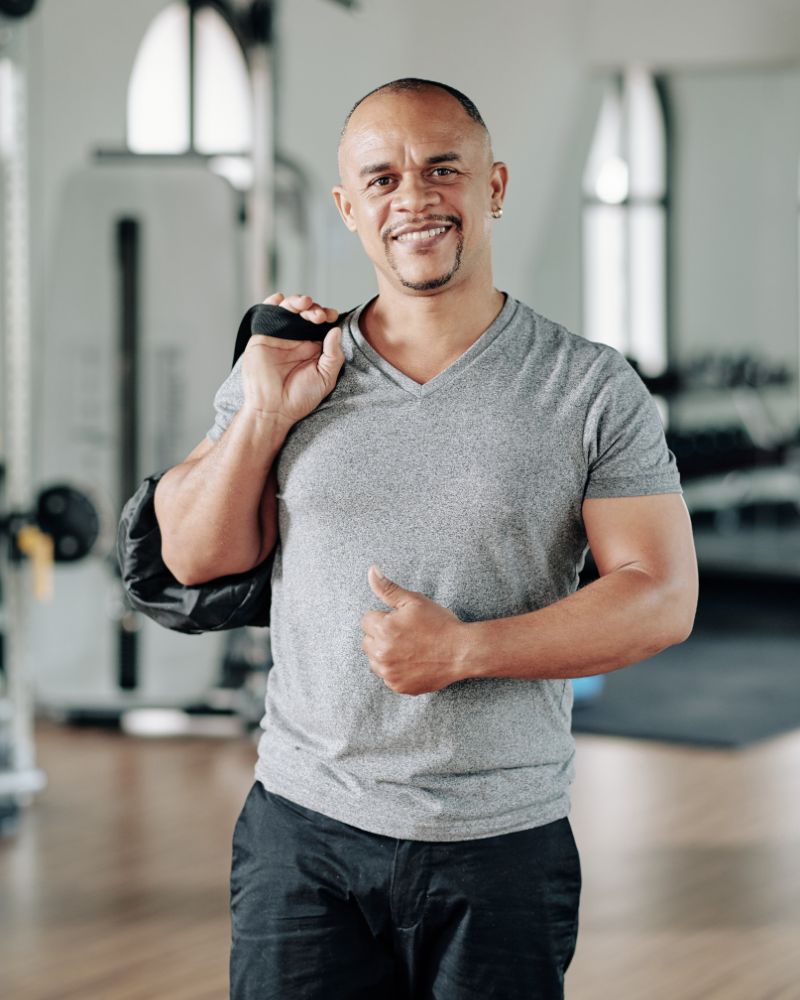
Baggy clothes don’t hide a bigger body. They make it look larger and they add a layer of shapelessness that pulls the whole look down. The eye fills in what fabric covers, and when there’s excess cloth bunching, sagging, or billowing, the brain reads “bigger.”
Good fit on a plus size frame isn’t tight. It’s controlled. Here’s what that actually means, point by point:
- Shoulders: The seam sits at the edge of your actual shoulder not sliding down your arm. This is non-negotiable. Everything else follows from this one point
- Chest and stomach: Fabric should skim your body, not stretch across it or hang away from it like a tent
- Shirt length: Untucked shirts should end at your hip not mid-thigh, not at the knee
- Sleeves: Shirt cuffs hit your wrist bone. Jacket sleeves show a small amount of shirt cuff beneath
- Trousers: Sitting flat across your seat without pulling, bunching, or gaping at the waist
Sizing up to get comfort through the stomach then wearing the extra fabric everywhere else is the trap most plus size men fall into without realizing it. Stretch fabrics, well-cut relaxed fits, and brands that actually design for larger frames solve the comfort problem without sacrificing shape.
One well-fitted shirt will do more for how you look and feel than an entire drawer full of clothes that almost fit.
The Two Numbers in Your Clothes That Are Silently Making You Look Worse
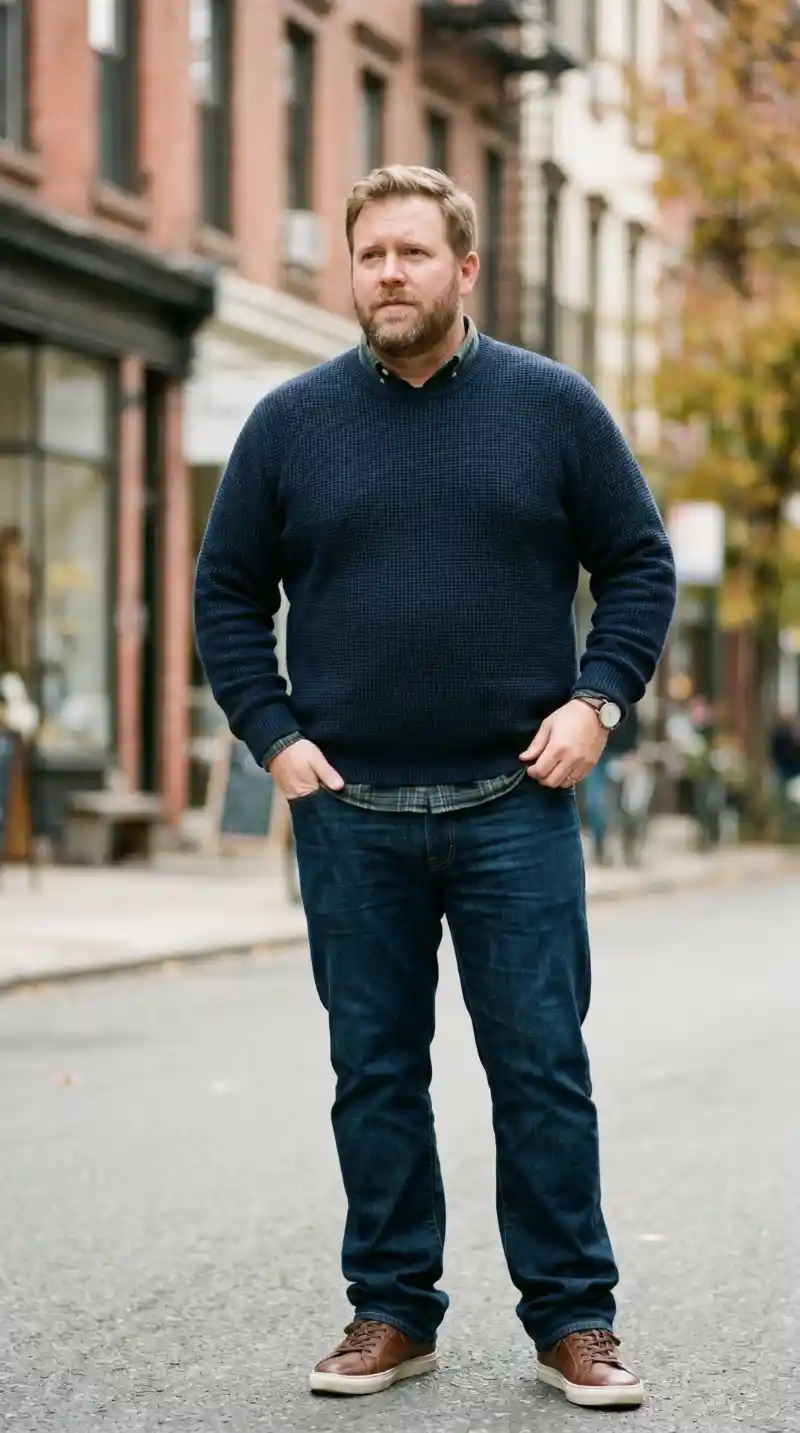
Most men never check these two measurements. Yet they’re the ones a tailor looks at first because getting them wrong quietly unravels an otherwise decent outfit.
Measurement 1: Sleeve Length
Shirt sleeves should end exactly at your wrist bone where your hand meets your arm. Too long and your hands disappear. Too short and the whole shirt reads “wrong size” even if everything else fits perfectly.
| What You See | What It Signals | The Fix |
|---|---|---|
| Sleeve covers your knuckles | Shirt is too long in the arm | Tailor shortens from the cuff cheap, fast |
| Sleeve ends mid-forearm | Shirt is too short or wrong cut | Size up in a stretch fabric or try big & tall |
| Sleeve hits the wrist bone | Correct length | No action needed |
Measurement 2: Trouser Break
“Break” means how much your trouser fabric folds where it meets your shoe. Most plus size men end up with too much trousers pooling at the ankle because they bought for the waist and got extra length with it.
- No break: Trouser ends just above the shoe. Clean, modern, works especially well with chinos and casual trousers
- Half break: A slight fold where trouser meets shoe. Safe, classic, suits most situations
- Full break: Fabric bunches heavily at the ankle. Adds visual weight to the lower body — avoid this
A tailor can hem trousers for very little money. That single alteration done once makes everything from the waist down look intentional.
How to Use Color Without Looking Like You’re Trying to Disappear
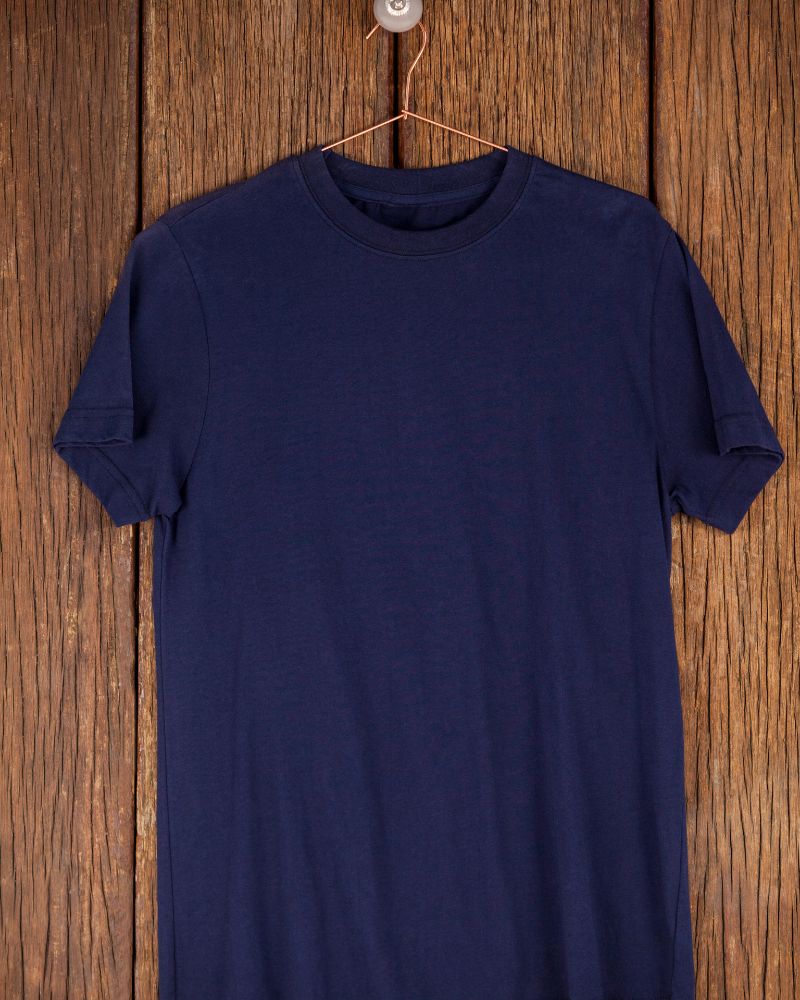
All-black everything isn’t a style strategy. It’s a hiding strategy and people can tell the difference.
Darker colors do create a slightly slimmer visual line, and there’s nothing wrong with using that. The problem is when every outfit becomes a camouflage mission, the overall effect reads as avoidance, not intention. Confident dressing isn’t about minimizing yourself. It’s about controlling how you’re seen.
Here’s what actually works with color on a plus size frame:
- Tonal dressing: Wearing similar shades from top to bottom navy shirt with dark jeans, olive jacket with khaki trousers creates a long, unbroken vertical line without going full black. It’s slimming without being obvious about it
- Dark bottoms, medium tops: Keeps visual weight anchored low and draws the eye upward toward your face where you want attention
- Avoid extreme contrast at the waist: A bright shirt tucked into light trousers creates a horizontal break right across the middle. That’s the one contrast placement that works against you
- One bold move: A strong color at the top — a deep burgundy, rich green, or cobalt shirt creates presence. Pair it with neutral bottoms and it reads as confidence, not effort
Patterns work too. Small to medium-scale checks, subtle stripes running vertically, and simple textures all add visual interest without broadcasting size. Avoid large, bold horizontal stripes they widen the eye’s path across the body rather than guiding it up and down.
Color is not the enemy. Randomness is.
The Fabrics That Work With Your Body Instead of Against It
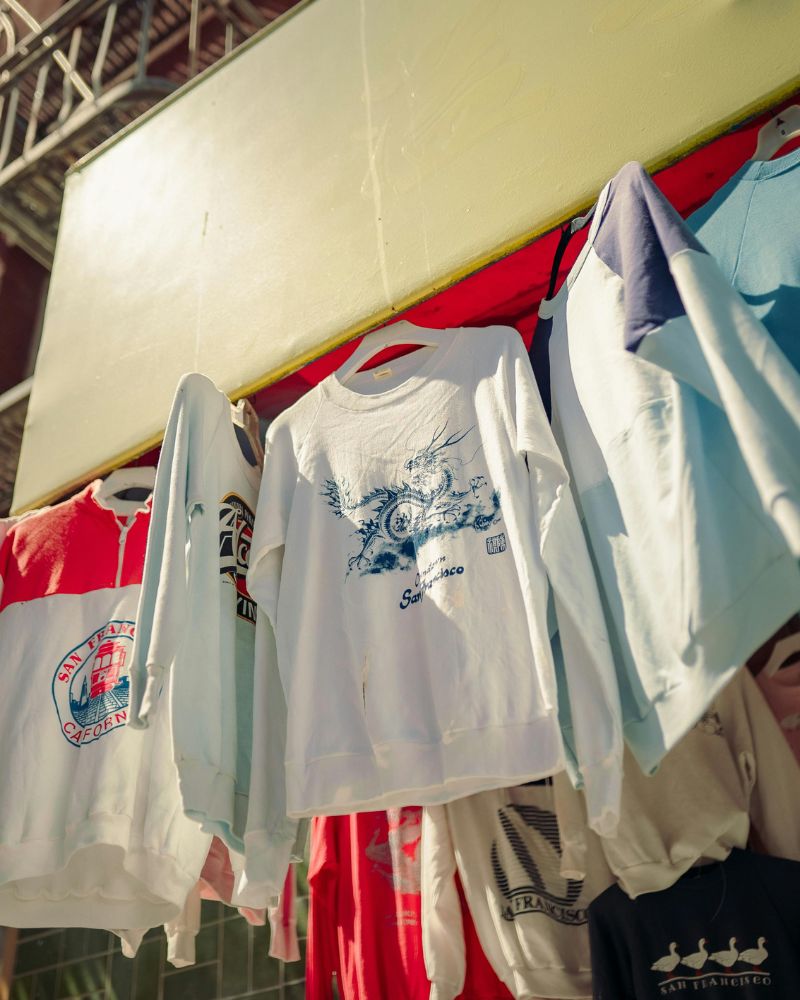
Fabric is doing more work than you think. Two shirts in the same color and cut can look completely different on a plus size frame because one holds its shape and one doesn’t.
Thin, floppy fabric clings where you don’t want it to and collapses everywhere else. Structured fabric skims, holds a clean line, and drapes in a way that keeps the eye moving smoothly over your body instead of stopping at every bump and fold.
Reach for these:
- Structured cotton: Poplin, oxford cloth, and twill shirts hold their shape through a full day. They skim rather than cling and don’t show every movement underneath
- Ponte fabric: A firm, smooth knit used in trousers and jackets. Looks polished, has slight stretch for comfort, and holds its form without going limp
- Medium-weight denim: Stiff enough to create a clean silhouette through the leg. Avoid lightweight denim it wrinkles and clings
- Wool and wool blends: In jackets and trousers, wool drapes cleanly and holds structure better than most synthetics
Avoid these:
- Thin jersey T-shirts: They map every contour. Save them for the gym
- Limp linen: Looks great on slim frames. On a plus size body, it bunches, wrinkles, and loses all shape within an hour
- Cheap polyester: Clings, doesn’t breathe, and goes shiny under light all of which draw attention to fit problems
Comfort and structure aren’t opposites. Stretch-blend fabrics in the right weight give you both and that combination is where most plus size men find their sweet spot.
Building a Wardrobe Around 6 Pieces That Do the Heavy Lifting
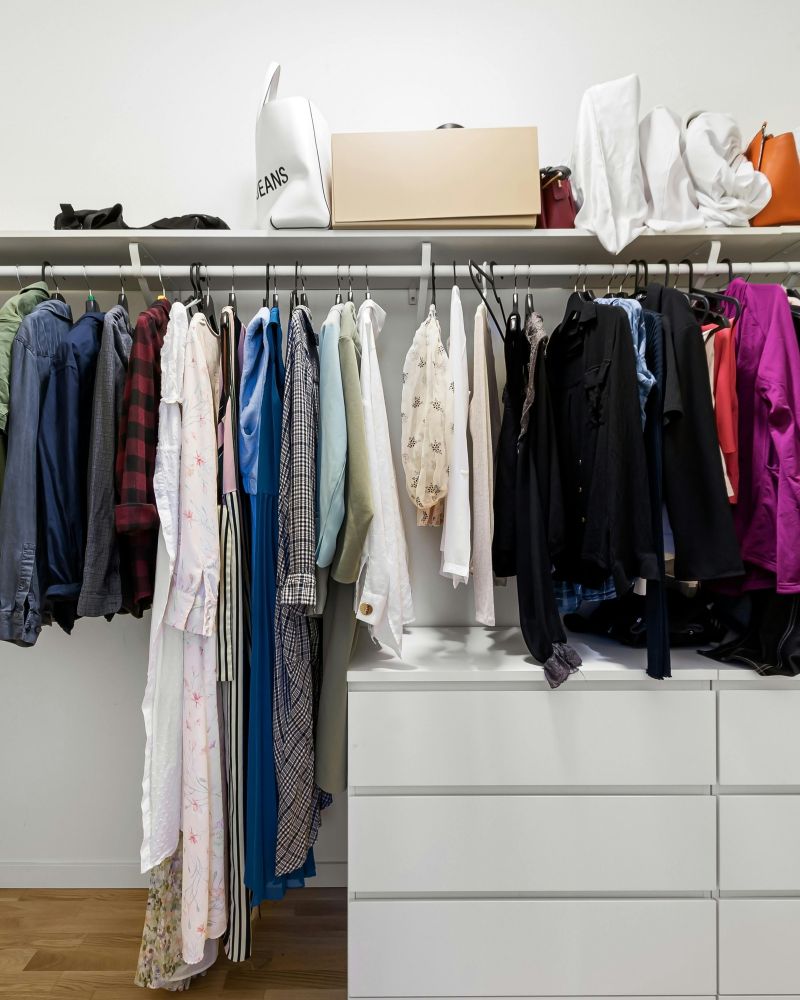
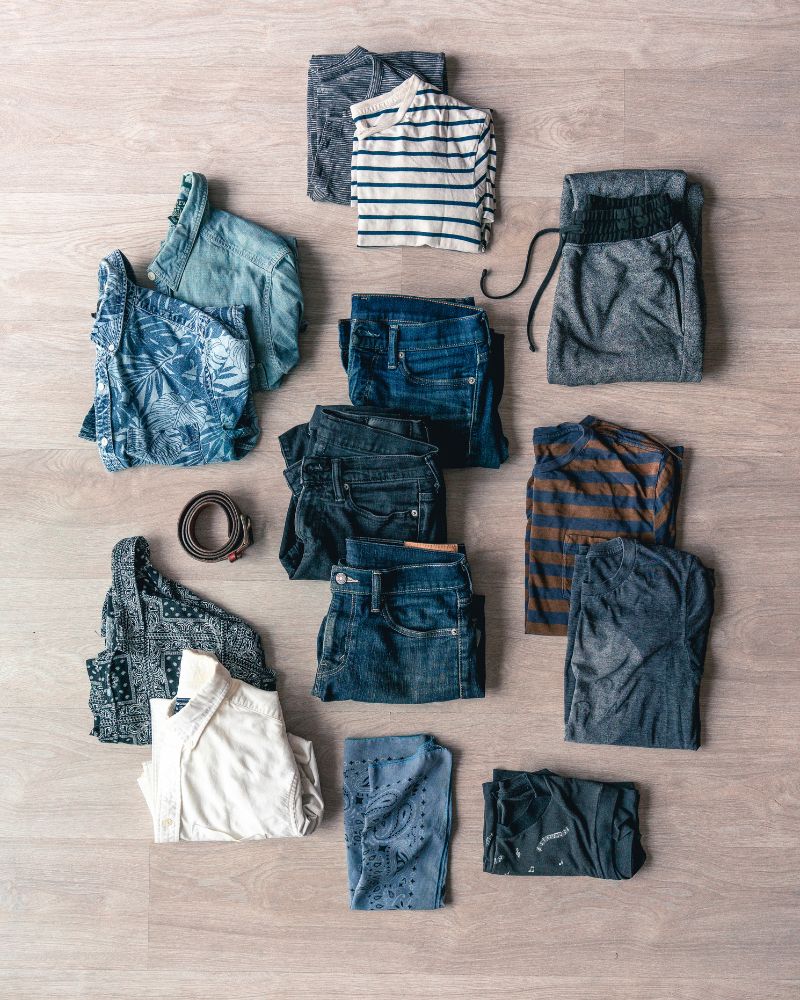
You don’t need a full wardrobe overhaul. Six pieces, chosen correctly, will cover most situations and eliminate the daily “I have nothing to wear” spiral that comes from owning a lot of clothes that don’t actually work together.
These aren’t generic picks. Each one is here because it fits well on a plus size frame, layers with the others, and works across multiple settings.
- One structured Oxford shirt in white or light blue: The single most versatile piece in men’s dressing. Worn open over a tee, tucked into trousers, or under a jacket it always reads as intentional
- Two pairs of well-fitted dark chinos (one navy, one charcoal or olive): Dark chinos create a clean line, take you from casual to smart-casual, and pair with almost everything above the waist
- One medium-weight crew-neck sweater in a neutral: Navy, grey, or camel. Layers over shirts, sits well on a plus size torso without adding bulk, and instantly elevates a simple outfit
- One dark-wash straight or relaxed-straight denim: Not skinny. Not baggy. Straight cut in a medium-weight denim holds its shape and works with both casual and smart-casual looks
- One unstructured blazer in navy or grey: Throws over a shirt or tee and immediately lifts the whole outfit. Unstructured means no stiff padding more comfort, better drape on a larger frame
- Clean, simple leather or leather-look shoes in brown or white: Beaten-up footwear pulls down an otherwise solid outfit. One clean pair does the opposite
Start here. Build out from what works.
What Confidence Actually Looks Like When You Walk Into a Room
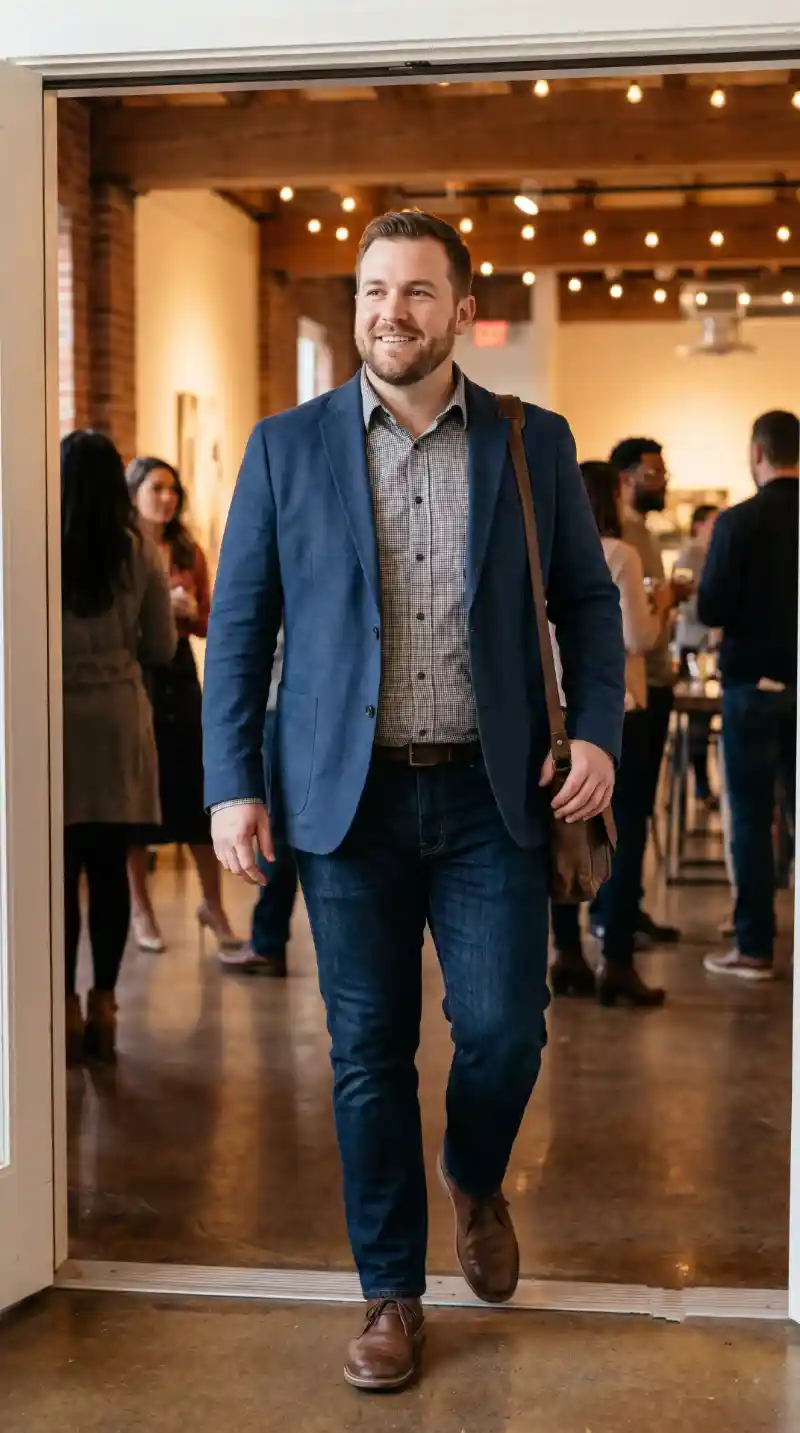
Confidence isn’t something you feel first and then dress for. It works the other way around and that’s the part most men never figure out.
Research on “enclothed cognition” the studied link between what you wear and how you think and behave shows that clothing affects the wearer’s own psychology, not just how others see them.
Dressing with intention changes how you carry yourself before anyone else notices. Your posture shifts. Eye contact comes easier. You stop pulling at your shirt or tugging at your waistband because nothing is fighting your body anymore.
That’s what confidence actually looks like in a room not loudness, not bravado. It’s the absence of self-correction. The man who isn’t adjusting, hiding, or apologizing with his body language reads as confident even before he speaks.
Here’s what that looks like in practice:
- You stop crossing your arms to hide your stomach because your shirt fits and isn’t pulling
- You sit differently upright, settled when your trousers aren’t digging in or bunching
- You make eye contact longer when you’re not distracted by wondering what people are noticing about your outfit
- You take up space without thinking about it, because your clothes aren’t making you feel like you should shrink
Nobody walks into a room feeling completely confident. The ones who look it have simply removed the physical friction that makes self-consciousness visible.
Pick one piece from the wardrobe section. Get the fit right on that one thing. Wear it somewhere this week and notice what changes.

Hello there! I’m Jesse Joe, the author and editor behind SolganGenius. I’m thrilled you’ve stopped by, and I can’t wait to share with you the essence of what this platform is all about.
I’m a writer, social media enthusiast, and a firm believer in the power of words. I’ve always been fascinated by how a simple phrase or slogan can capture an emotion, convey a message, and even change perspectives. Learn More