
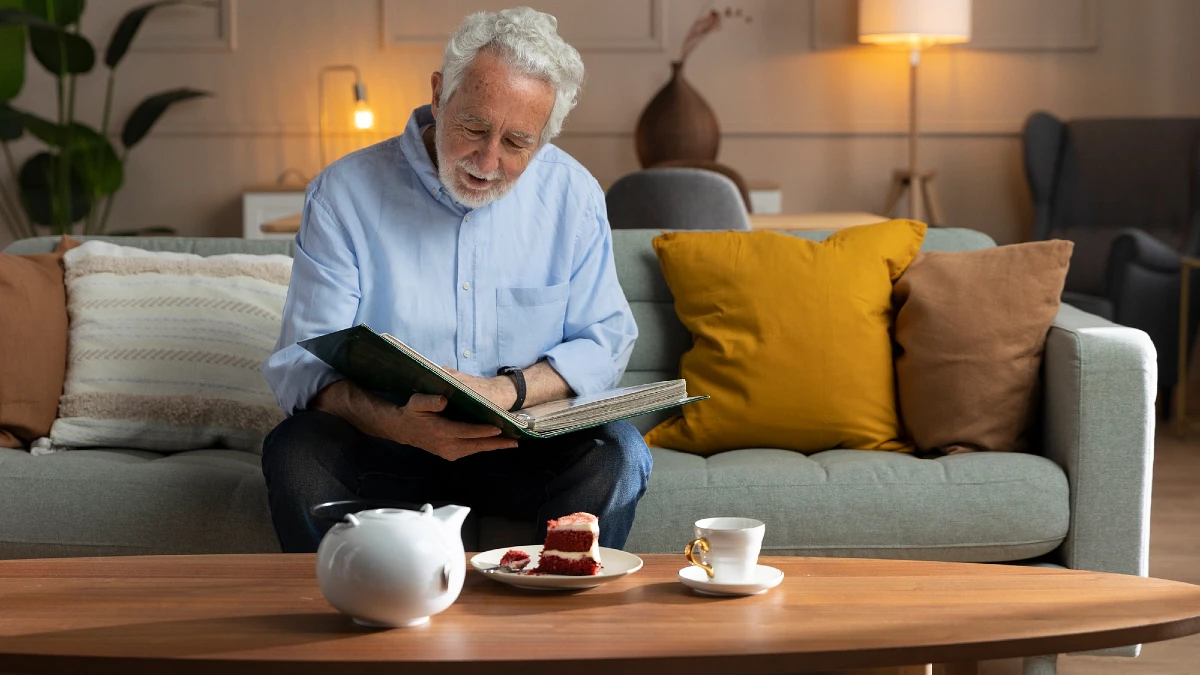
Living alone as an older person can sound like the ultimate form of freedom. You control the thermostat, eat when you want, watch what you want, and never have to explain why you left a coffee cup on the table until tomorrow.
But there is another side that gets much less attention. When you live alone, nobody automatically notices that you slipped in the bathroom, skipped dinner, stopped going for walks, or have barely spoken to another person all week.
That does not make living alone a bad choice. In 2025, the U.S. Census Bureau counted 39.7 million one person households, equal to 29 percent of households in the country. Living alone is a normal part of modern life.
1. You Have to Become Your Own Emergency Backup
One of the biggest changes is simple. There may be nobody in the next room when something goes wrong. That makes emergency planning much more important than it seemed when you shared a home.
Falls deserve special attention. The CDC reports that more than 14 million adults age 65 and older, about one in four, report falling each year. About 37 percent of those who fall report an injury that needs medical treatment or limits activity for at least one day.
That does not mean you should become afraid of your own home. It means you should build backup systems before you need them.
A phone helps only when you can reach it. If you normally leave yours charging in the kitchen while you shower, work in the garden, or go downstairs, think about changing that habit.
Some people carry their phone from room to room. Others use a smartwatch or medical alert system that gives them another way to call for help.
Your emergency system might look like this:
| Risk | Simple Backup |
|---|---|
| Falling when alone | Keep a phone or alert device within reach |
| Nobody realizing something happened | Arrange a regular call or message |
| Emergency workers cannot enter | Use a secure key plan or trusted lockbox |
| Falling at night | Add clear paths and night lighting |
| Tripping indoors | Remove loose rugs and clutter from walking areas |
You can also arrange a simple check in system with a friend, neighbor, child, or relative. It might be one text each morning or a phone call every evening.
It does not need to feel like somebody is watching you. Think of it as a backup plan that protects your ability to keep living independently.
2. Loneliness Can Catch You Off Guard Even If You Love Being Alone
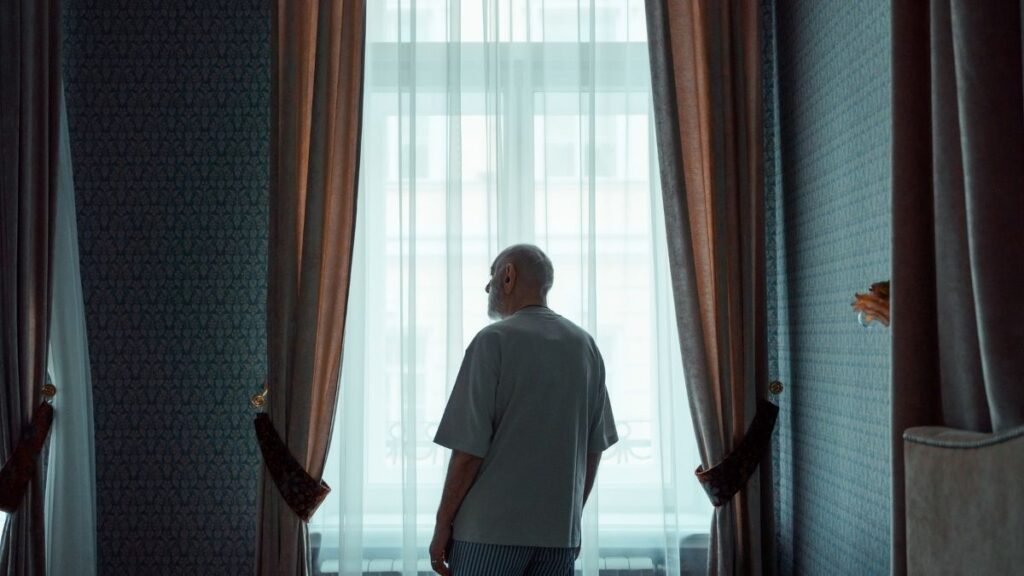
You can enjoy solitude and still become lonely. Those are two different experiences.
Living alone may feel wonderful after years of sharing your home with children, a spouse, coworkers, or relatives. You finally have silence and control. Yet after retirement, the little conversations that once filled your day can disappear surprisingly fast.
There is no coworker asking how your weekend went. Nobody comments on the weather while you make coffee. Dinner may pass without a conversation.
The National Institute on Aging warns that loneliness and social isolation can affect physical and mental health as people age. Its current resources encourage older adults to maintain meaningful social contact rather than treating isolation as an unavoidable part of getting older.
The answer does not have to be a packed social calendar. For many people, regular contact matters more than constant activity.
You might decide that Tuesday is coffee with a friend, Thursday is a class, and Sunday is a phone call with family. Those three points can give the week shape.
And do not wait for somebody else to invite you.
Invite a neighbor for tea. Ask an old friend to lunch. Join a walking group. Attend a library program. Volunteer somewhere you care about.
A pet can also provide companionship and routine if you have the money, mobility, housing, and desire to care for one. The important part is choosing connection that fits your actual life rather than forcing yourself into activities you dislike.
3. Your Home Can Become More Work Than You Expected
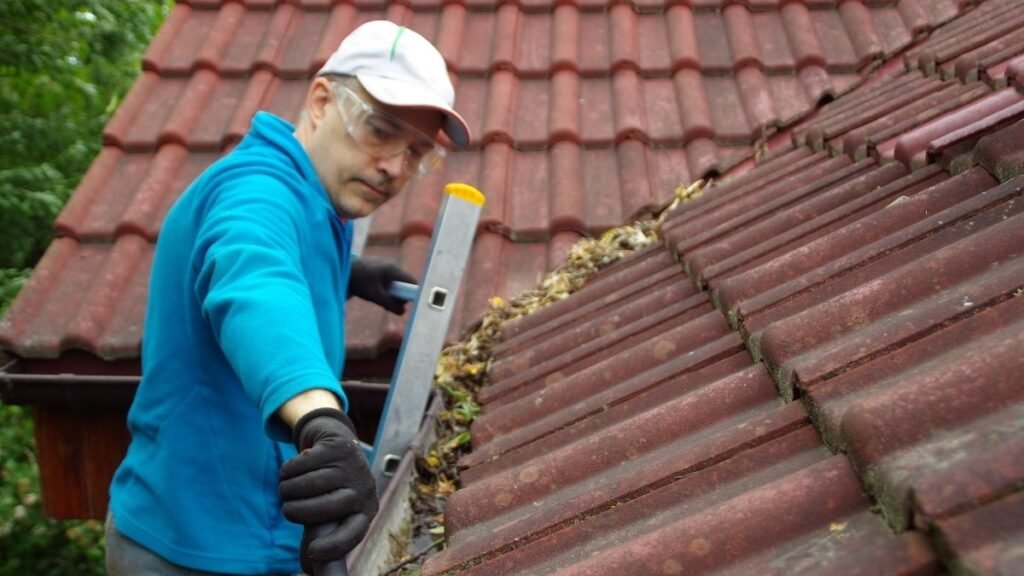
A home that felt manageable at 55 may feel very different at 75.
The roof still needs attention. Leaves still fill the gutters. Grass keeps growing. Floors need cleaning, light bulbs need changing, and something always seems to need fixing.
When another adult lived with you, jobs could be divided without much thought. Alone, every single task eventually lands on your list.
This is where many people make life harder than necessary. They continue doing difficult jobs because they have always done them.
You do not get a prize for climbing a ladder yourself.
Hiring someone to clean gutters, mow grass, clean the house, trim trees, or handle repairs can help protect your independence. Getting help does not mean you have failed at independent living. Sometimes paying for help is exactly what allows you to remain independent.
AARP has repeatedly found that many older adults want to remain in their current homes as they age. Yet its aging in place guidance notes that relatively few homes have all of the features that make later life safer and easier.
Take a fresh look at your house every few years. Ask whether you still use all that space and whether maintaining it is taking money and energy away from things you enjoy.
A Simple Home Check
| Ask Yourself | If the Answer Is No |
| Can I reach everyday items without climbing? | Move them lower |
| Can I see clearly in halls at night? | Add better lighting |
| Can I manage the yard comfortably? | Reduce it or hire help |
| Can I safely clean every area? | Outsource difficult jobs |
| Do I actually use most rooms? | Consider whether a smaller home fits better |
Downsizing is one option, but it is not automatically the right answer. Sometimes a few changes and reliable help are enough to make your existing home manageable again.
4. Your Daily Routine Starts Doing More Work Than You Realize
Once you live alone, nobody else’s schedule keeps your day moving.
That freedom can feel wonderful at first. You can sleep late on Wednesday, eat lunch at three, and spend an entire afternoon reading if you want.
But too little structure can make days start blending together. Retirement makes this even easier because work no longer tells you when Monday begins.
A routine gives your day small markers.
Maybe you make coffee at seven, walk at eight, shop on Tuesdays, clean on Thursdays, call your sister on Saturday, and make a favorite dinner on Sunday. These ordinary habits create rhythm.
Your schedule does not need to look productive enough to impress anyone. A routine is useful because it helps you live the way you want.
Keep a calendar somewhere you will actually see it. Put appointments on it, but add enjoyable things too.
A gardening afternoon belongs on your calendar. So does a library trip, lunch with a friend, an exercise class, or your favorite television program.
You can still change your plans whenever you like. That is one of the benefits of living alone.
The point is to give your week a few anchors so time does not simply disappear.
5. Cooking for One Can Become Harder Than Cooking for a Family

Cooking one serving sounds easier than feeding four people. Strangely, it often does not feel that way.
You still have to shop, chop, cook, and wash dishes. The amount of work may feel almost the same even though only one person sits down to eat.
That makes skipping meals, snacking through dinner, ordering food, or living on convenience foods tempting.
There is nothing wrong with an easy frozen dinner occasionally. The problem starts when convenience becomes your entire food system.
The National Institute on Aging recommends meal planning and eating a variety of foods, including vegetables, fruits, grains, protein foods, and appropriate dairy or alternatives. It also recommends getting enough protein and drinking water throughout the day.
The solution is usually to stop thinking in single servings.
Make four portions of soup and freeze three. Cook enough chicken for tonight’s dinner and tomorrow’s lunch. Portion rice, beans, chili, or pasta sauce into freezer containers.
Keep simple foods around for days when you do not want to cook.
Good options might include eggs, yogurt, fruit, frozen vegetables, canned beans, oatmeal, whole grain bread, soup, tuna, or precooked grains.
The National Institute on Aging also recognizes being tired of cooking or eating alone as a real barrier to healthy eating.
So make meals enjoyable when you can. Sit somewhere pleasant. Use your good plate. Put on music. Invite somebody for lunch occasionally.
You do not need company to make a decent meal worth the effort.
6. The Quiet Can Feel Like a Gift One Day and Too Much the Next
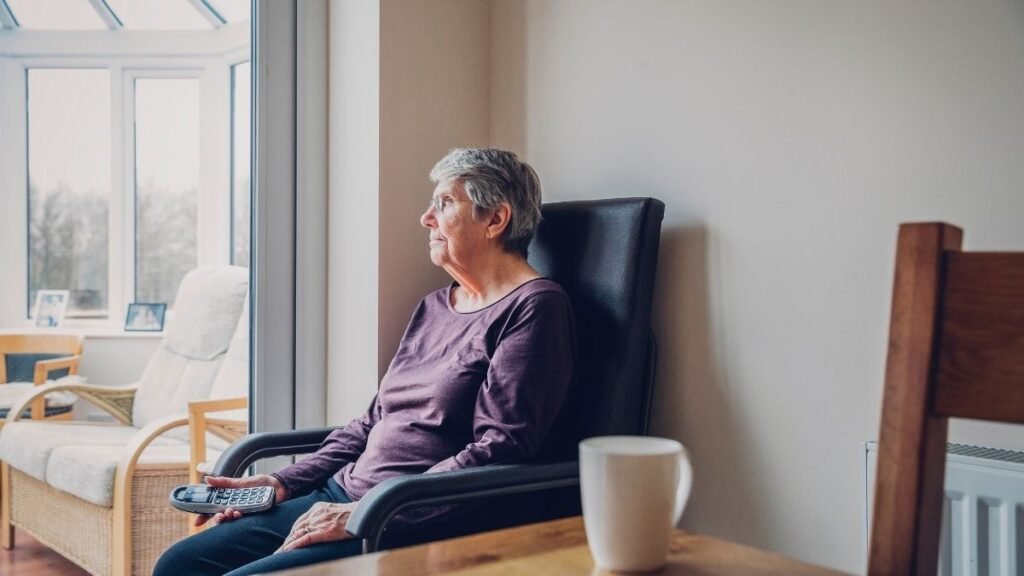
A quiet house is one of the great pleasures of living alone.
Nobody is talking over your program. No television is playing in another room. Nobody wakes you, interrupts your book, or starts making noise when you are trying to think.
Then evening comes, and the exact same quiet can feel completely different.
This often surprises people who have spent decades in busy homes. The silence they once wanted can sometimes feel heavy when there is no longer another person’s movement in the background.
You do not have to choose between enjoying silence and filling every room with sound. Use both.
Play the radio while making breakfast. Listen to an audiobook while folding laundry. Put on music when preparing dinner. Follow a podcast while doing a puzzle or working in the garden.
Then turn everything off when quiet feels good.
Evening rituals can help as well. Turn on a few lamps instead of sitting under one bright ceiling light. Make tea. Read. Call somebody. Watch a favorite program.
These small signals tell your brain that the day is settling down.
Living alone lets you decide what your home sounds like. Some days that may be music. Other days, silence may be exactly what you need.
7. Staying Active Takes More Intention When Nobody Is Joining You

When you live with someone, movement can happen without planning.
You walk through a store together. Somebody suggests going outside. You work in the yard. You go somewhere because another person wants to go.
Living alone removes many of those small prompts.
Days at home can become surprisingly still, especially after retirement. The chair is comfortable, everything you need is nearby, and nobody asks whether you want to go for a walk.
That is why movement often works better when you connect it to something you already do.
Walk after breakfast. Stretch while the coffee brews. Garden in the afternoon. Take a longer route through the grocery store. Attend a weekly class if you enjoy being around people.
The CDC currently recommends that adults 65 and older include aerobic activity, strength work, and balance activity each week.
Its general target includes at least 150 minutes of moderate aerobic activity per week and muscle strengthening activity on at least two days. People who cannot meet those amounts are encouraged to be as active as their health and abilities allow.
That does not mean everybody needs a gym membership.
Walking counts. Gardening can involve movement. Dancing in your living room counts as movement. So can household work.
Balance exercises may also become more important with age, especially because falls are common among adults over 65.
If you have health or mobility concerns, ask your healthcare provider what type and amount of activity is right for you.
The goal is simple. Give yourself reasons to keep moving even when nobody else is there to suggest it.
8. Decluttering Gets Easier and More Emotional at the Same Time
There is one wonderful thing about decluttering when you live alone.
Nobody argues with you about the lamp.
If you dislike something, you can donate it. If you adore an old chair that everybody else thinks is ugly, you can keep it.
But there is another side to this freedom. Every object belongs to you, and many of those objects may carry memories.
The serving bowl may remind you of your mother. Old tools may have belonged to your father. A cabinet may hold school photographs, holiday decorations, letters, clothes, and objects from a life that looked very different 30 years ago.
That makes decluttering emotional.
Do not start with your most sentimental possessions. Start somewhere boring.
Clear expired food. Remove broken household items. Sort old paperwork. Empty one bathroom drawer. Go through clothes that clearly no longer fit your life.
Once you get used to making decisions, move to harder areas.
The goal does not have to be minimalism. The better goal is a home that is easy for you to use.
Keep what you love. Display photographs that matter. Save meaningful letters.
But question things that take up space simply because deciding feels difficult.
Decluttering can also improve safety. Clear walking paths matter, especially because falls remain a major cause of injury among older adults.
Move everyday items to shelves you can reach without stretching or climbing. Keep stairs clear. Reduce piles on the floor.
Your home should reflect the person living there now, while still leaving room for the memories you choose to keep.
9. Nobody Is Watching Your Habits, So You Have to Care for Yourself on Purpose

This may be the most important reality of living alone.
Nobody notices the small changes unless you do.
No partner sees that you have worn pajamas for three days. Nobody asks why you skipped breakfast. Nobody says you seem unusually tired or points out that you have cancelled every social plan this month.
Freedom removes supervision, which is usually wonderful. But it also means you need to become good at noticing yourself.
That starts with simple habits.
Open the curtains in the morning. Get washed and dressed. Eat real meals. Take medications as directed. Keep medical and dental appointments. Move your body. Keep the house comfortable enough that you want to spend time in it.
Then protect your social life with the same care.
One of the traps of later life is waiting for invitations. Friends may be caring for spouses, spending time with grandchildren, travelling, dealing with health problems, or simply assuming you are busy.
Call them first.
Invite someone for coffee. Suggest lunch. Start a monthly card game. Ask a neighbor to walk with you. Volunteer. Join a book group.
You do not have to become the busiest person in town. You simply need enough connection to keep your life larger than the rooms inside your house.
A Simple Weekly Check for Living Alone
| Area | Question to Ask Yourself |
| Safety | Could I get help quickly if something happened today? |
| Food | Have I been eating proper meals? |
| Movement | Did I move most days this week? |
| Social life | Have I spoken with or seen people I care about? |
| Home | Is anything becoming difficult or unsafe to manage? |
| Routine | Do I have something planned that I am looking forward to? |
If several answers keep becoming no, treat that as useful information.
You may need help with cleaning, transportation, meals, home repairs, social contact, or another part of daily life. Asking for that help early can make living independently easier for much longer.
Living Alone Does Not Mean Doing Everything Alone
Living alone as an older person can be peaceful, freeing, and deeply satisfying. Your space becomes completely yours, and your days can finally follow your own priorities.
But independence works better when you prepare for the parts nobody puts in the retirement brochure. Build an emergency plan. Stay connected. Keep moving. Make your home easier to manage. Feed yourself well, create routines you enjoy, and ask for help before a small problem becomes a large one.
Most of all, remember that living independently does not require handling every part of life without support. The strongest setup is often a private home surrounded by reliable people, useful services, and simple backup plans.
Start with one question today: what part of living alone would become difficult if something changed tomorrow? Fix that one thing first.
I’m Austin Becker, an advocate for living life with intention and resilience. I write for men who are actively navigating life’s major transitions, tackling the realities of reinvention and finding renewed purpose with grit and honesty. I believe that personal growth doesn’t have a deadline it’s about continuously gearing up for the chapters that matter most.
Through my work, I aim to strip away the clichés of modern manhood, offering practical, no-nonsense insights on health, mindset, and legacy for those who want to move forward with strength and clarity.