

Your retirement account may look healthy today. But you still may not know how much you can safely spend.
One month, you worry about every restaurant bill. The next month, you book an expensive trip because retirement is meant to be enjoyed. Then a child needs help, the roof starts leaking, or the market drops.
That is when your retirement personality begins to matter.
Your retirement personality is the way you react to money after your regular paycheck stops. It affects how you spend, save, invest, give, and respond to fear.
Some retirement personalities protect money so closely that life becomes smaller. Others spend as if every year will be a strong year. Neither choice creates a balanced retirement.
This article offers general education, not personal financial advice. Your income, taxes, health, family needs, and investment mix can change what is right for you.
Why Your Retirement Personality Matters More Than a Perfect Budget

A retirement plan can look perfect on paper and still fail in real life.
That is because a spreadsheet cannot control your reactions. It cannot stop you from panic selling, paying an adult child’s rent, buying a new car, or refusing to spend money on a needed repair.
Current research shows how common these pressures are.
The Employee Benefit Research Institute’s 2026 Retirement Confidence Survey found that 73 percent of retirees felt confident they would have enough money to live comfortably.
Yet two in five retirees said their total retirement expenses had been higher than expected. About 30 percent also said debt hurt their ability to live comfortably in retirement.
Health costs create another problem. Two in five retirees in the same survey said health care expenses had been higher than expected. Fewer than half of workers and retirees had calculated how much they might need for retirement health care.
The lesson is simple. Having money and managing money are different skills.
Your personality can help or hurt both.
| Retirement personality | Main strength | Main risk |
|---|---|---|
| Careful Preserver | Protects savings | May spend too little |
| Freedom Spender | Enjoys retirement | May drain savings early |
| Family Rescuer | Supports loved ones | Gives away needed income |
| Market Watcher | Pays attention | Reacts to fear and headlines |
| Cash Keeper | Avoids sharp losses | Loses buying power |
| Flexible Planner | Adjusts when life changes | May review the plan too often |
Most people are a mix of two or three types. One type may also appear more strongly after a major event.
The goal is not to place yourself in a box. The goal is to notice what you do before that habit becomes expensive.
1. The Careful Preserver Protects Every Dollar
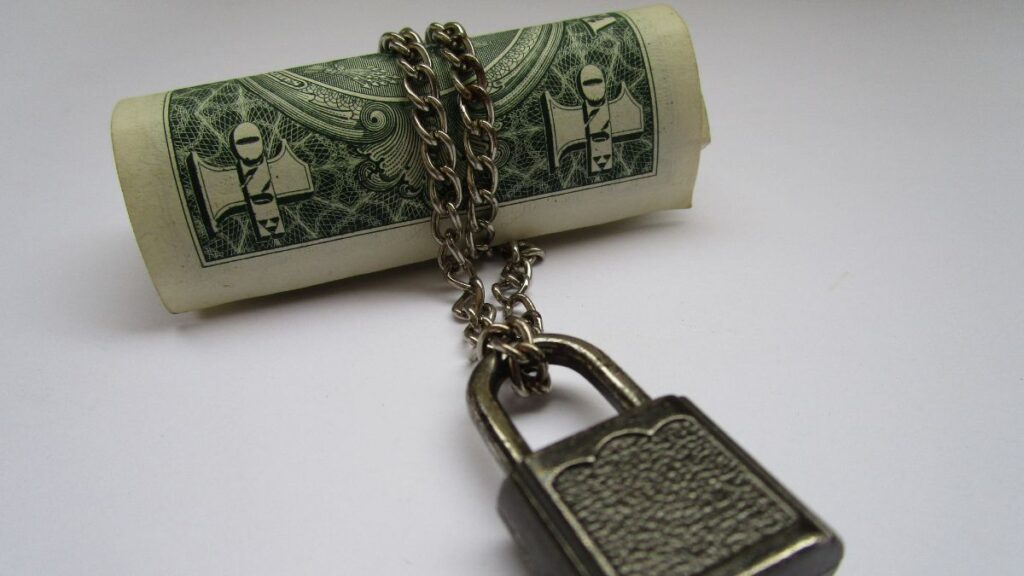
The Careful Preserver checks every price, delays large purchases, and feels better when account balances stay high.
This person may keep the same furniture for 25 years. A broken appliance gets repaired several times before it is replaced. Trips are planned around the lowest possible price.
That caution has a clear benefit. The Careful Preserver is less likely to make large emotional purchases.
But there is a hidden cost.
Some careful retirees continue living as if they are still saving for retirement. They feel guilty each time money leaves an investment account. Even a planned withdrawal feels like a mistake.
That can lead to:
- Delayed dental work
- Unsafe home repairs
- Missed family visits
- Poor heating or cooling
- Years of avoiding hobbies they can afford
Saving money has a purpose. That purpose is to support your life.
How to Fix Spending Guilt Without Becoming Careless
Separate your retirement money into three simple categories:
- Essential money for housing, food, insurance, health care, and taxes
- Reserve money for repairs, emergencies, and large future bills
- Enjoyment money for travel, hobbies, meals, gifts, and family time
The third category matters. When enjoyment spending has a clear limit, you do not need to debate every purchase.
For example, a retiree may set aside $4,000 for trips and hobbies this year. That amount can be spent without taking money from the emergency reserve.
The Careful Preserver does not need permission to spend everything. This person needs permission to spend an amount the plan already supports.
2. The Freedom Spender Treats Retirement Like a Long Vacation

The Freedom Spender has waited decades for this stage of life.
Work is finished. The children are grown. The mortgage may be paid. Now it is time for cruises, restaurants, new hobbies, home projects, and family celebrations.
There is nothing wrong with enjoying retirement.
The danger starts when the spending level has no link to income, savings, market results, or future needs.
The Freedom Spender may say:
- “We saved all our lives.”
- “We are healthy now, so we should travel now.”
- “The market will recover.”
- “We can cut back later.”
- “The house is worth plenty.”
- “The children will help if we need it.”
Each statement may contain some truth. Together, they can create a serious retirement money problem.
Why Early Overspending Is Hard to Repair
Money removed from an investment account cannot keep growing.
That becomes more dangerous when large withdrawals happen during a market decline. You may need to sell more shares to produce the same amount of cash. Fewer shares remain when the market later recovers.
Morningstar’s retirement income research for 2026 gives a 3.9 percent starting withdrawal rate for a retiree seeking steady inflation adjusted spending over a 30 year period under its stated assumptions.
Morningstar also notes that flexible spending methods can support different withdrawal levels because spending changes when market conditions change.
Fidelity offers a broader general guideline of 4 to 5 percent of initial retirement savings, followed by increases based on inflation. Fidelity also stresses that personal needs and retirement ages differ.
These figures are planning starting points. They are not promises.
A 5 percent withdrawal from a $1 million account is $50,000 in the first year. A 7 percent withdrawal is $70,000.
That extra $20,000 may feel manageable for one year. Repeating it year after year can place much more pressure on the account.
The Freedom Spender’s Warning Signs
You may be acting like an unchecked Freedom Spender when:
- You do not know how much left your accounts last year
- Travel costs are placed on credit cards
- Large purchases happen without discussing them with your spouse
- You withdraw the same amount after a major market loss
- Home value is treated like an unlimited backup account
- You have no separate plan for health care
- Every cost is called a one time expense
A vacation is not the problem. A new car is not always the problem.
The real problem is spending without a limit or review.
3. The Family Rescuer Cannot Say No

The Family Rescuer sees retirement savings as a family safety net.
An adult child loses a job. A grandchild needs tuition money. A sibling falls behind on rent. The Family Rescuer steps in.
Helping family can be meaningful. It can also become an open ended bill.
One payment rarely causes the greatest damage. Trouble grows when the help becomes regular but is still called temporary.
Examples include:
- Paying an adult child’s rent each month
- Covering grandchildren’s private school costs
- Funding repeated business ideas
- Making loan payments for a relative
- Paying for weddings without a firm budget
- Cosigning debt
- Allowing family members to use credit cards
The Family Rescuer often tracks personal bills carefully but does not add up family support over a full year.
A payment of $700 per month becomes $8,400 a year. Over five years, that reaches $42,000 before lost investment growth is counted.
Give From a Family Budget, Not From Guilt
Start with a yearly family support limit.
This amount should come after your housing, food, health care, taxes, insurance, and emergency needs are covered.
For example:
| Family request | Safer response |
| One emergency bill | Set a clear maximum |
| Monthly living costs | Give support for a fixed number of months |
| New business idea | Do not use essential retirement money |
| College costs | Offer a set amount rather than an open promise |
| Request to cosign | Review the full risk before agreeing |
Retirees should be especially careful about taking on debt for someone else. EBRI’s 2026 survey found that debt already affected many retirement households. Three in ten retirees said it hurt their ability to live comfortably.
A loving answer does not always need to be yes.
You can help someone make a budget, search for work, contact creditors, or find lower cost housing. Support does not have to mean writing another check.
4. The Market Watcher Lets Headlines Control the Plan
The Market Watcher checks investment balances every day.
A good market brings confidence. A bad week brings fear. After a sharp decline, this person wants to sell. After a strong rise, the same person wants to buy more of whatever recently performed well.
Paying attention is useful. Reacting to every headline is not.
Retirement investing has a hard balance. You need enough stability for current spending and enough growth for later years.
Selling after a decline can turn a temporary paper loss into a permanent loss. Moving back into the market later creates another hard choice. Many people wait until prices have already risen.
The opposite habit also causes trouble. Buying an investment after a large rise can place too much retirement money in one company, sector, or trend.
Replace Daily Reactions With Written Rules
A Market Watcher needs fewer decisions, not more predictions.
Create rules before the next market decline:
- Review the full portfolio on set dates
- Rebalance when investments move outside chosen limits
- Keep near term spending away from highly volatile investments
- Delay any fear based change for at least 48 hours
- Discuss major changes with a fiduciary adviser
- Avoid making a full portfolio change based on one news story
Morningstar’s 2026 retirement research highlights both market shocks and spending shocks as key parts of retirement income planning. It also examines dynamic spending methods rather than assuming withdrawals must rise in a straight line every year.
A flexible rule might reduce optional withdrawals after a poor market year. It may allow more spending after strong results.
That approach is very different from panic selling. One follows a plan. The other follows fear.
Best next step: Write down how often you will review investments and what event would justify a change.
5. The Cash Keeper Feels Safe but Loses Buying Power

The Cash Keeper dislikes seeing account values fall.
Bank deposits feel safe because the number does not move much. There are no sharp market drops on the statement.
That sense of safety is real. Cash can be useful for bills, emergencies, and spending planned for the next few years.
But keeping nearly everything in cash creates another risk.
Prices can rise while the account balance stays almost flat. Over time, each dollar buys less food, insurance, health care, fuel, and home maintenance.
The danger is greater because retirement may last longer than expected.
The Social Security Administration provides a life expectancy calculator that estimates average remaining years based on birth date and sex. It also warns through the nature of the tool that an estimate is an average, not a personal deadline.
A retirement plan may need to support one spouse well into their 80s or 90s. Keeping all long term money in cash can make that harder.
Give Each Dollar a Time Based Job
Instead of asking whether cash is good or bad, ask when the money will be needed.
Money needed soon:
Cash or other stable options may be suitable for regular bills and emergency costs.
Money needed in several years:
A mix of income focused and stable investments may be considered based on risk needs.
Money needed much later:
Some growth exposure may help fight rising costs, though it also brings market risk.
The right mix depends on your income, pension, Social Security, taxes, health, and comfort with losses.
Cash is a tool. It should not become the whole plan simply because every other option feels uncomfortable.
Best next step: Mark each savings account as money for this year, the next several years, or later life. Check whether the investment matches the timing.
6. The Flexible Planner Adjusts Before Problems Grow

The Flexible Planner does not predict every future expense.
Instead, this person builds a plan that can bend.
A Flexible Planner may travel more after a strong market year. After a weak year, a home renovation may be delayed. Essential bills remain protected while optional spending moves up or down.
This type has several useful habits:
- Tracks total yearly withdrawals
- Keeps an emergency reserve
- Reviews insurance and health costs
- Discusses large purchases before making them
- Updates the plan after a death, move, illness, or market decline
- Separates needs from optional spending
- Knows which costs can be reduced quickly
This does not mean the person worries about money every day.
The Flexible Planner creates a review date, makes decisions, and then returns to normal life.
Why Flexibility Can Be Stronger Than a Fixed Rule
No withdrawal percentage fits every retiree for every year.
A person retiring at 60 may need savings to last longer than someone retiring at 70. A retiree with a pension may depend less on investment withdrawals. Health costs, taxes, housing, and family support can also change the result.
Fidelity states that retirement guidelines are linked to factors such as retirement age, Social Security, savings, and desired income. Its general 4 to 5 percent withdrawal range is a starting point rather than a personal guarantee.
Morningstar also reports that flexible retirement spending can change what a retiree may be able to withdraw. The tradeoff is clear. More flexibility may support higher spending, but income may not stay the same every year.
The Flexible Planner accepts that tradeoff.

I’m Austin Becker, an advocate for living life with intention and resilience. I write for men who are actively navigating life’s major transitions, tackling the realities of reinvention and finding renewed purpose with grit and honesty. I believe that personal growth doesn’t have a deadline it’s about continuously gearing up for the chapters that matter most.
Through my work, I aim to strip away the clichés of modern manhood, offering practical, no-nonsense insights on health, mindset, and legacy for those who want to move forward with strength and clarity.