

You finally have more time together. So why do some retirement days still feel long, dull, or strangely empty?
Work once gave your week a clear shape. You knew where to go, what needed to be done, and when the weekend would arrive.
Retirement removes much of that structure. It can also reveal that you and your partner have very different ideas about how to spend your free time.
One person may want to travel every month. The other may be happy reading at home. One may enjoy busy social plans, while the other needs quiet time.
Why Shared Hobbies Can Make Retirement Feel Better
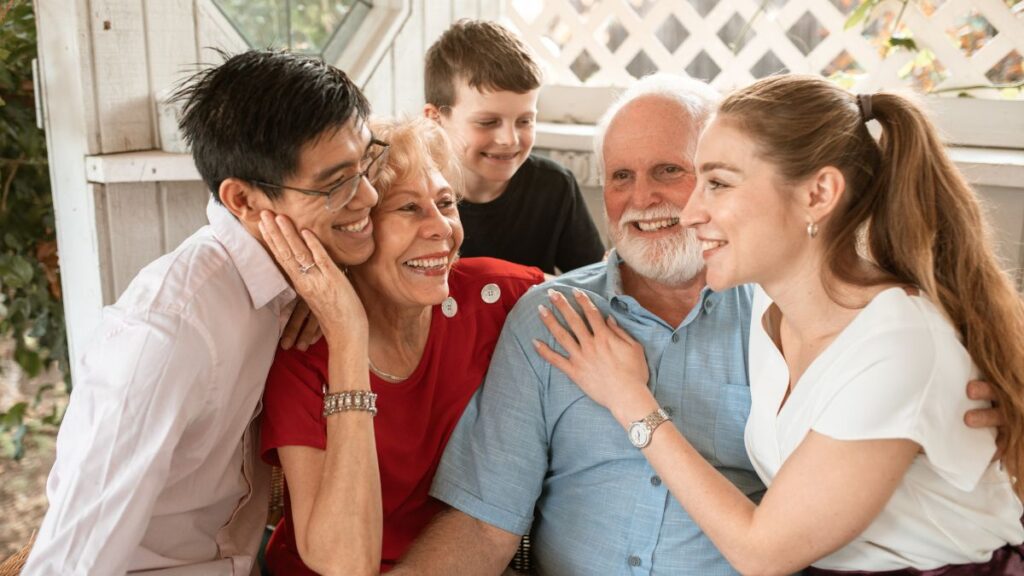
A shared hobby gives your week a little structure. That can be helpful after years of living around work hours, family duties, and set routines.
It also creates fresh conversation. Instead of talking about bills, errands, or what is on television, you have a project, goal, lesson, or experience to discuss.
The National Institute on Aging reports that staying socially active may support physical and emotional well being in later life. It also points to research linking new social contacts with better self reported well being among older adults.
The CDC says strong social connections can support health and may reduce risks linked with depression, anxiety, heart disease, stroke, and dementia.
A hobby cannot promise protection from any illness, but it can give you another reason to connect with your partner and your community.
You still need time apart. Healthy retirement does not mean sharing every interest. A good balance often includes one or two shared activities plus separate hobbies and friendships.
How to Pick a Hobby You Will Both Keep Doing
Start by making separate lists of activities you might enjoy. Do not judge each other’s choices yet.
Compare your lists and circle any areas that overlap. The exact activity may differ, but the basic interest could be the same.
For example:
- One person likes walking while the other likes photography.
- One enjoys cooking while the other enjoys hosting.
- One likes history while the other likes travel.
- One likes gardening while the other likes home projects.
Those interests can often be combined.
Before spending much money, test the hobby once or twice. Borrow equipment, attend a trial class, or use what you already own.
Discuss four points before you commit:
- How much can we spend?
- How often will we do it?
- Does either person have physical limits?
- Can we stop if one person does not enjoy it?
That final question matters. A shared hobby should bring you closer, not become another duty.
1. Start a Weekly Walking Tradition

Walking is one of the easiest hobbies to begin because you need very little equipment. It also gives you time to talk without sitting face to face and trying to force a conversation.
Choose one or two walking days each week. Change the route often enough to keep it interesting.
You could walk through:
- A local park
- A shopping area
- A botanical garden
- A quiet neighborhood
- A museum
- An indoor mall during bad weather
The CDC says physical activity can improve sleep, reduce anxiety, support physical function, and lower the risk of falls when older adults include aerobic, strength, and balance activities in their routines.
Walking may not suit every health condition. Speak with a medical professional if either of you has pain, balance problems, chest symptoms, or serious breathing trouble.
Easy first step: Take a 15 minute walk after dinner this week.
2. Grow a Garden You Can Care for Together
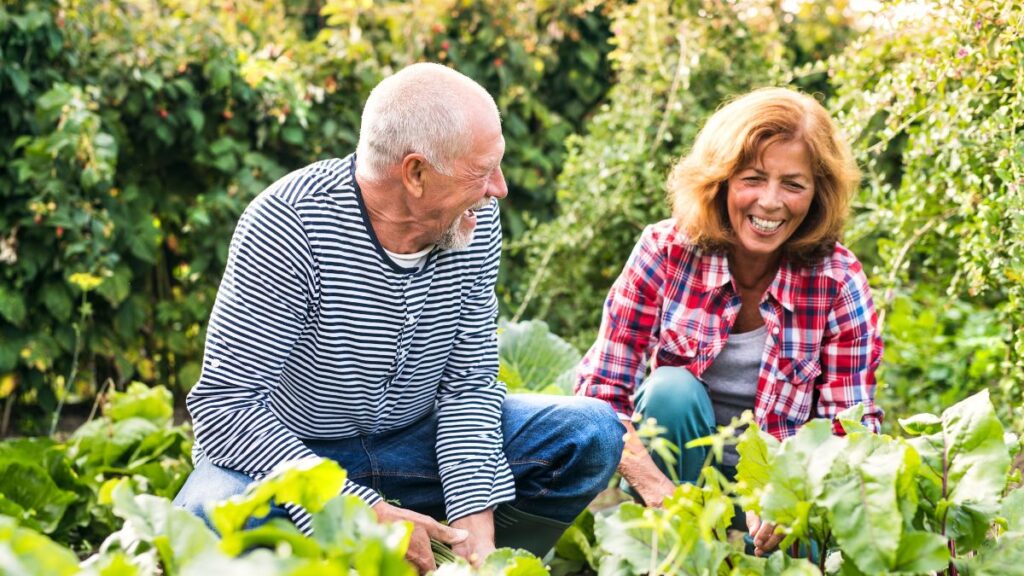
Gardening gives both partners useful jobs without requiring you to work on the same task at the same moment.
One person can choose plants and plan the layout. The other can water, prune, build supports, or track growth.
Start small. A few pots of herbs are easier to manage than a full vegetable garden.
Good beginner choices often include:
- Basil
- Mint in its own container
- Lettuce
- Cherry tomatoes
- Marigolds
- Easy care native flowers
Raised beds and tall planters may reduce the need to bend. Lightweight hoses and small watering cans can also make the work easier.
Gardening does require regular care. Plants may fail because of heat, pests, poor soil, or missed watering. Treat those problems as part of learning rather than proof that you are bad gardeners.
Your local extension office can offer planting advice suited to your climate.
3. Learn Partner Dancing Without Worrying About Skill
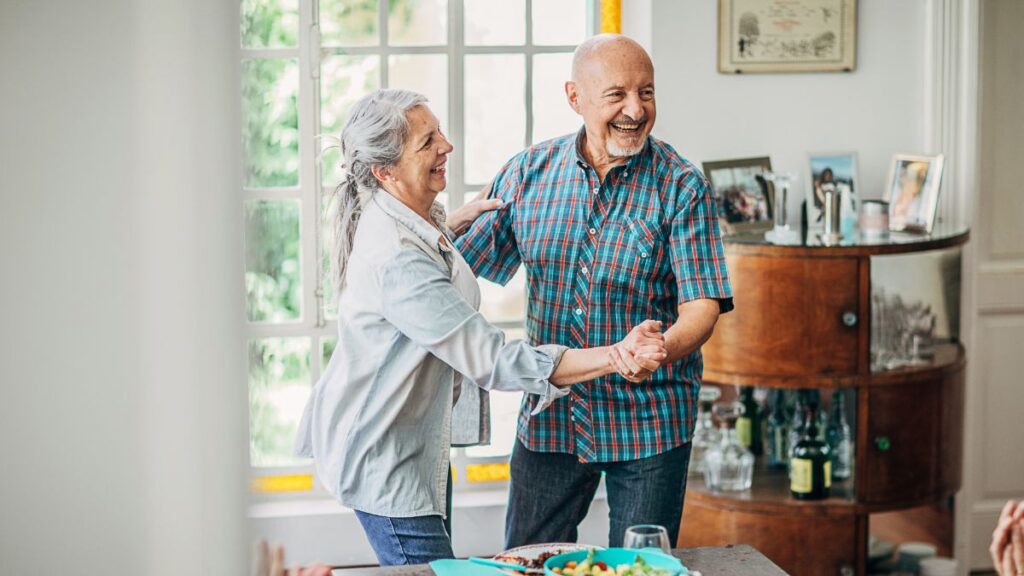
Dance lessons give you movement, music, and something new to practice together.
You do not need natural rhythm. Beginner classes are made for people who are still learning where to put their feet.
Look for lessons in:
- Ballroom dance
- Line dancing
- Salsa
- Swing
- Folk dance
- Gentle social dance
Community centers and local studios may offer classes designed for older adults. Ask whether you can observe a session before paying for a full course.
Choose a style that suits both partners’ balance and energy. Fast turns and sharp movements may not be safe for everyone.
The goal is not to look polished. It is to laugh, move, and improve a little each week.
4. Cook Your Way Through New Cuisines

Cooking can turn an ordinary evening into a small event.
Choose one region or country each month. Find two or three recipes that use ingredients available in your area.
You might plan:
- An Italian pasta night
- A Mexican taco evening
- A Japanese soup and rice meal
- A Mediterranean mezze plate
- A Pakistani curry night
- A French breakfast at home
Divide the work based on what each person enjoys. One partner can shop and prepare ingredients. The other can cook, set the table, or choose music.
Keep the plan affordable. A hobby stops being relaxing when every recipe needs costly tools and rare ingredients.
Library cookbooks are useful because you can explore new recipes without buying a large collection.
Easy first step: Pick one dish neither of you has cooked before.
5. Try Birdwatching for Quiet Outdoor Time
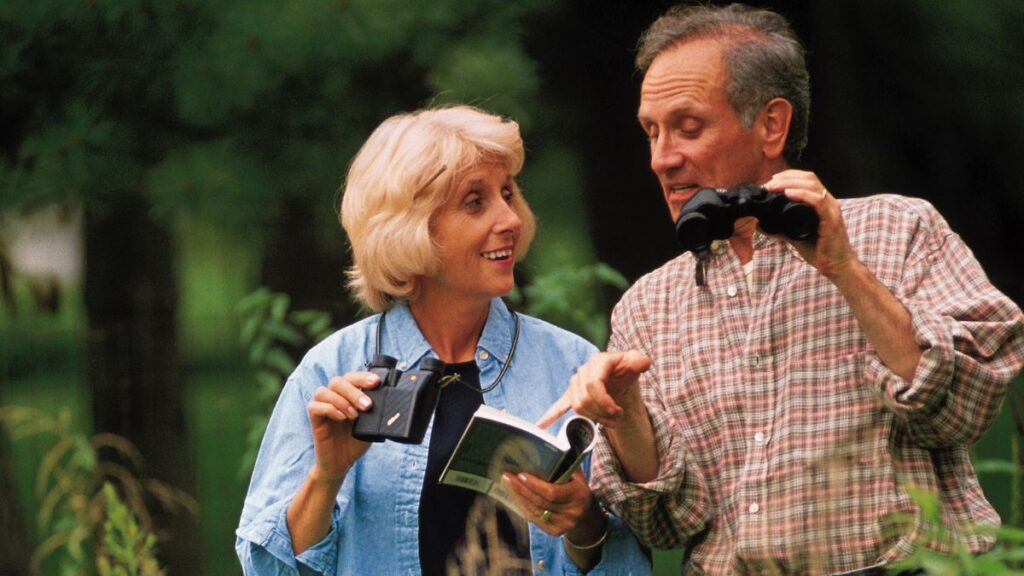
Birdwatching works well for couples who enjoy nature but do not want a hard workout.
You can begin from a window, balcony, garden, or park bench. Basic binoculars are helpful, but they are not required at first.
The free Merlin Bird ID app from the Cornell Lab of Ornithology can help identify birds by appearance or sound. The eBird platform lets you record sightings and see birds reported in your area.
Make the hobby more fun by setting small goals:
- Spot ten local species
- Visit a new park each month
- Photograph one bird each week
- Learn common bird calls
- Join a local birding walk
Birdwatching requires patience. Some days will be quiet. That is part of the appeal for many people.
Easy first step: Sit outside for 15 minutes and list every bird you notice.
6. Volunteer for a Cause You Both Value
Volunteering adds purpose to free time and helps you meet people outside your usual circle.
Choose a cause that matters to both of you. You might support:
- A food bank
- An animal shelter
- A school reading program
- A museum
- A community garden
- A religious organization
- A local charity shop
You do not have to perform the same job. One person might enjoy speaking with visitors while the other handles supplies or paperwork.
The CDC recommends joining groups built around shared interests as one way to create belonging and build social connections.
Be careful about taking on too much. Retirement volunteers are often reliable, so organizations may ask for more time. Decide your limits before you begin.
7. Turn Local Trips Into a Photography Project
You do not need an expensive camera to enjoy photography. A phone is enough to start.
Pick a theme that gives your outings a purpose. You could photograph:
- Old doors
- Local gardens
- Street markets
- Historic buildings
- Sunsets
- Family gatherings
- Small towns
- Seasonal changes
Create one shared album in Google Photos or Apple Photos. At the end of each month, choose your five favorite pictures.
You can also use Canva or a photo printing service to make a yearly album. Set a spending limit before ordering books or prints.
Avoid letting the camera take over the experience. Take a few photographs, then put the phone away and enjoy the place together.
Easy first step: Take a photo walk around your own neighborhood.
8. Try Pickleball or Another Social Sport

Pickleball is popular because the court is smaller than a tennis court and games can be social. Still, quick changes in direction may place stress on knees, ankles, and shoulders.
Begin with a lesson instead of joining a fast game. Learn how to warm up, move safely, and use the paddle correctly.
Other social sports include:
- Table tennis
- Bowling
- Golf
- Bocce
- Croquet
- Badminton
- Gentle doubles tennis
Choose the sport based on your current ability, not the activity you could manage twenty years ago.
The CDC recommends that older adults combine aerobic exercise with muscle strengthening and balance work. A social sport may support part of that goal, but your routine may still need other forms of movement.
9. Create a Book Club for Two

A private book club gives you fresh topics to discuss without adding a busy social schedule.
Take turns choosing the book. Agree on a reading deadline, then plan a simple discussion over coffee or dinner.
You can read:
- Mystery novels
- Biographies
- Travel books
- History
- Short stories
- Personal finance books
- Classic novels
- Books about retirement
Audiobooks are a good option when one partner has vision problems or finds reading tiring. The Libby app allows many library members to borrow digital books and audiobooks.
Do not turn the discussion into a test. It is fine to dislike the book, miss details, or stop reading something neither of you enjoys.
Easy first step: Choose a short book and discuss the first three chapters.
10. Build Puzzles or Play Games as a Team
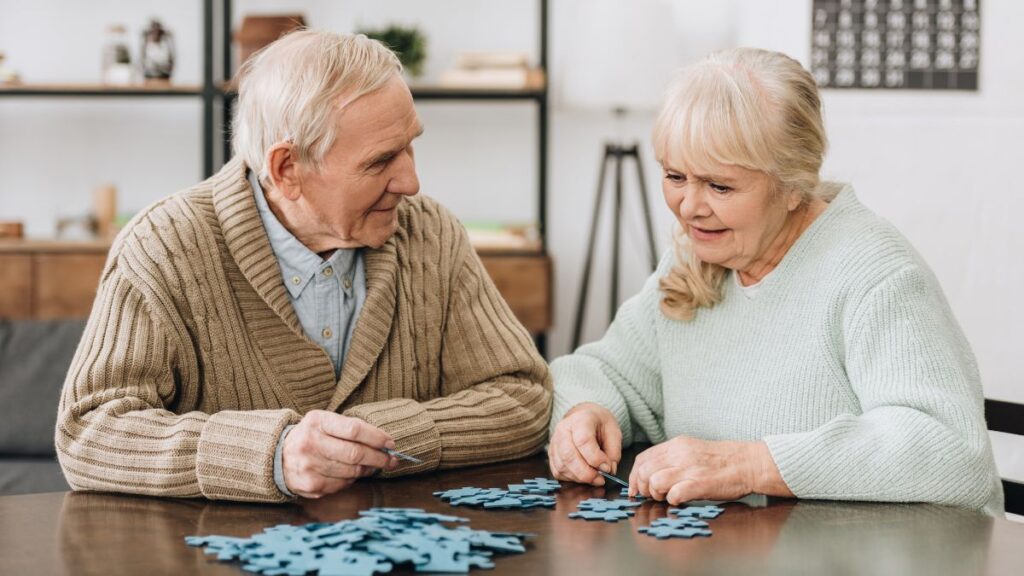
Puzzles and games can give your evenings more life without requiring a large plan.
Start with a jigsaw puzzle that fits your table and patience level. A 500 piece puzzle may be more enjoyable than a huge one that covers the dining room for weeks.
You can also try:
- Chess
- Checkers
- Card games
- Word games
- Trivia
- Cooperative board games
- Escape room games at home
Cooperative games work well when competition leads to arguments. In these games, you work together against the challenge.
Set a clear stopping time. A hobby is less fun when one person feels trapped at the table.
Easy first step: Replace one television evening with a card game or puzzle.
11. Learn a Language You Can Use Together
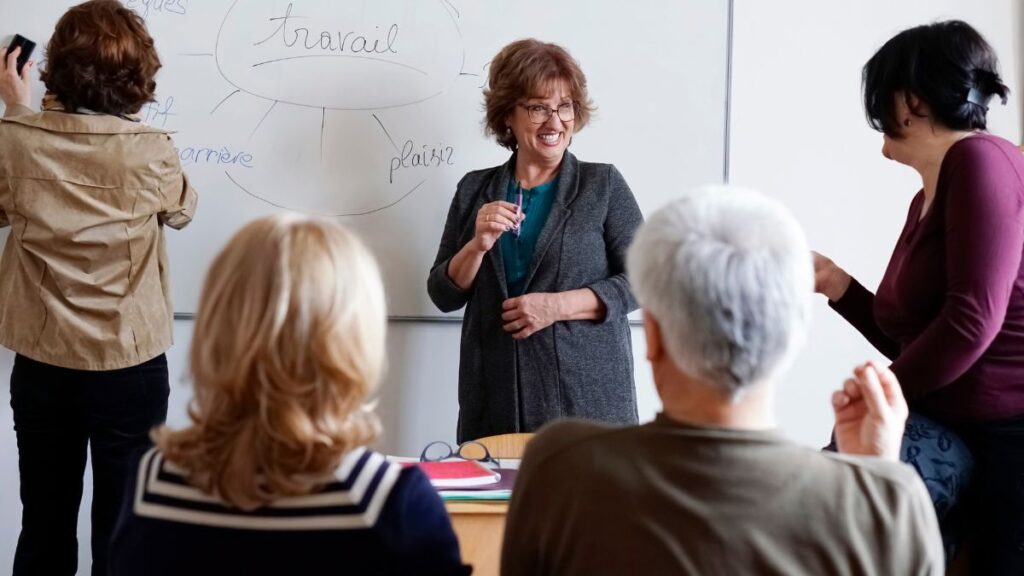
Learning a language creates a shared goal and gives you many small wins.
Choose a language linked to your travel plans, family background, community, or personal interest. Practice short phrases with each other during normal daily tasks.
For example, you can name foods while cooking or greet each other in the new language each morning.
AARP research reported that 55 percent of Americans aged 45 and older were actively learning new things in the study it published on lifelong learning. Common reasons included personal growth and the wish to stay mentally active.
Apps can help with daily practice, but real conversation is important. Look for library groups, community classes, or online tutors.
12. Restore Furniture or Complete Small Home Projects
A small furniture project gives you a clear result you can see and use.
Begin with something simple, such as:
- Painting a side table
- Changing drawer handles
- Replacing a chair seat
- Building a basic plant stand
- Framing family photographs
- Organizing an entryway
Divide the project according to skill. One person may prefer planning and choosing finishes. The other may enjoy measuring, sanding, or painting.
Paint brand visualizers can help you test colors before buying paint. Free room planning tools can also show whether the finished piece will fit the space.
Wear eye protection and follow product safety directions. Avoid major electrical, plumbing, or structural work unless you have the right training.
Easy first step: Refresh one small item you already own.
13. Trace Your Family History Together

Family history gives you a reason to talk with relatives, organize old photographs, and save stories that might otherwise be lost.
Start with people you know. Record full names, important dates, hometowns, occupations, and family stories.
Then explore:
- Old letters
- Photo albums
- Public records
- Newspaper archives
- Cemetery records
- Family recipes
- Military records
- Immigration documents
FamilySearch provides free family history tools. Libraries and local archives may also have records that are not easy to find online.
Check facts before adding them to your permanent tree. People often share names, and family stories may change over time.
Protect living relatives’ private information. Do not publish addresses, identity numbers, or sensitive family details without permission.
14. Take an Art or Pottery Class
Art classes give you a way to create without needing to be “good at art.”
The class itself provides structure, supplies, and instruction. You also meet people who are learning the same skill.
Consider:
- Watercolor
- Drawing
- Pottery
- Photography
- Wood carving
- Collage
- Printmaking
- Textile art
Choose a beginner class with a clear supply list. Pottery and specialist crafts can become costly, so check all fees before joining.
You do not have to create matching work. In fact, seeing how differently you approach the same task can be part of the fun.
Display one piece from each partner at home. The result may not look professional, but it will carry a real memory.
Easy first step: Attend a one day workshop before buying supplies.
15. Explore Your Area Through Geocaching

Geocaching is a location based treasure hunt. You use a phone or GPS device to find small containers hidden by other players.
AARP describes it as an outdoor activity that can add walking, nature, problem solving, and a feeling of achievement to retirement days.
Create an account on a geocaching platform and search for beginner caches in public areas. Read recent comments before leaving home. They may tell you whether the cache is still available or difficult to reach.
Bring water, charge your phone, and avoid private property. Do not attempt a route that exceeds your mobility level.
Some searches are frustrating. The container may be tiny, damaged, or missing. Treat the search as the activity rather than focusing only on the find.
Easy first step: Search for one easy cache within a few miles of home.
16. Care for a Pet or Foster Animals Together
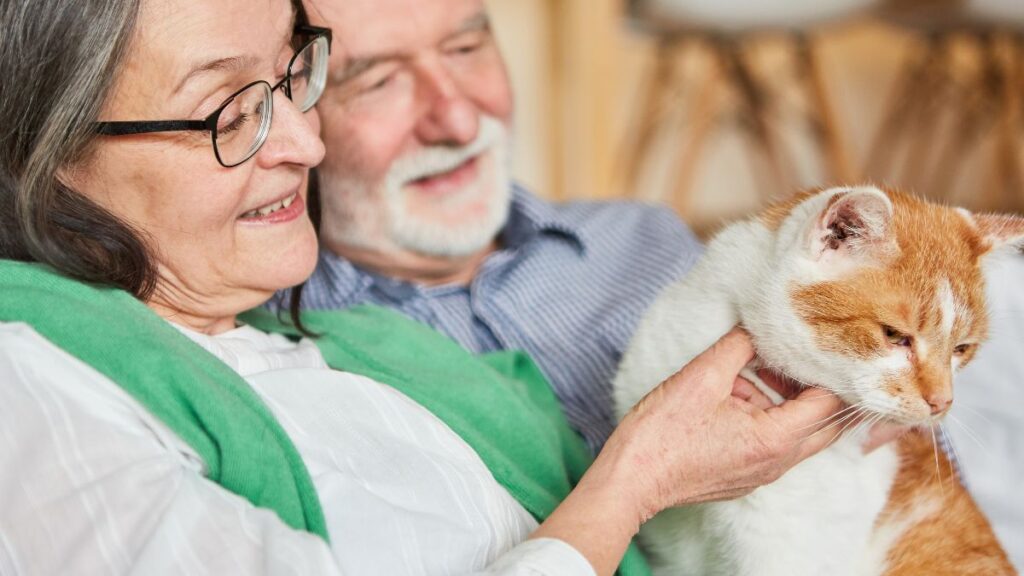
A pet can bring routine, affection, movement, and companionship into retirement.
It also creates serious responsibility. Food, veterinary care, grooming, training, and boarding can become expensive.
Before adopting, discuss:
- Who handles daily feeding?
- Who walks or cleans up after the pet?
- What happens during travel?
- Can your home suit the animal?
- Can your budget cover health care?
- What happens if one partner becomes ill?
Fostering through a shelter may be a better first step. It lets you help an animal without making an immediate lifelong commitment.
Some couples may prefer pet sitting for friends or volunteering at a shelter. You can enjoy time with animals without bringing one home permanently.
Easy first step: Ask a local shelter about fostering needs and costs.
17. Start a Project That Helps Other People
A shared service project can bring meaning to skills you already have.
You might:
- Knit blankets for a charity
- Repair toys
- Maintain a neighborhood garden
- Mentor younger adults
- Cook for a community event
- Collect books for a school
- Teach a practical skill
- Help neighbors with small tasks
AARP research on purpose among adults aged 50 and older found that accomplishment, helping others, and personal growth were important parts of meaningful daily activity.
Choose one clear goal rather than trying to solve every local problem. A small project that lasts is more useful than a huge plan that leaves you exhausted.
Be honest about your time, health, and energy. Helping others should add purpose without removing all your freedom.
Easy first step: Choose one skill you both have and one group that could use it.
A Simple 30 Day Hobby Test for Couples
You do not need to choose a lifelong hobby today. Test one activity for a month.
Use this simple plan:
- Choose one low cost hobby. Avoid buying a large amount of equipment.
- Schedule four sessions. Put the dates on your calendar.
- Keep each session manageable. An hour may be enough at first.
- Rate the experience. Each partner scores the hobby from one to five.
- Discuss the cost and effort. Ask whether the result was worth both.
- Decide what to change. A different class, route, time, or role may help.
- Continue only if both people agree.
Do not take a low score personally. Your partner is rejecting an activity, not rejecting time with you.
You can also use a flexible rule. Do the shared hobby once a week and protect time for separate interests on other days. That balance can prevent either person from feeling crowded.
Choose One Hobby and Put It on the Calendar
The best retirement hobbies for couples are not always the most exciting or unusual. They are the activities you can enjoy, afford, and repeat without pressure.
Your hobby might help you move more. It might introduce you to new people. It may give you a reason to leave the house or make an ordinary evening feel special.
You do not need seventeen new activities. You need one idea that feels possible.
Choose the easiest option from this list. Set a date, keep the first session simple, and treat it as an experiment.

I’m Austin Becker, an advocate for living life with intention and resilience. I write for men who are actively navigating life’s major transitions, tackling the realities of reinvention and finding renewed purpose with grit and honesty. I believe that personal growth doesn’t have a deadline it’s about continuously gearing up for the chapters that matter most.
Through my work, I aim to strip away the clichés of modern manhood, offering practical, no-nonsense insights on health, mindset, and legacy for those who want to move forward with strength and clarity.