

You may want some extra money after 60 without wanting another traditional job. A fixed schedule, commute, manager, and long workweek may be exactly what you hoped to leave behind.
That is why a hobby can be a better place to start. You already know whether you enjoy the activity, and you may already own many of the tools you need. The goal is not to turn every relaxing afternoon into work.
The best hobbies that make money after 60 give you control over how much you accept and when you do it. Some can bring occasional spending money. Others can slowly become steady part time income.
1. Gardening Can Produce More Than Vegetables

If you already spend spring mornings starting seedlings or dividing plants, you may have something other gardeners will pay for. Seedlings, herbs, flowers, houseplants, and garden help can all create small local sales.
Start with what you already grow successfully. Selling ten healthy tomato plants makes more sense than building an entire backyard nursery before you know anyone wants your plants.
You could also offer simple garden help to neighbors who can no longer manage planting, watering, or seasonal cleanup. Check local rules before selling plants, produce, or food because requirements differ by location.
Best first move: Offer a small group of extra plants locally and see which ones people request again.
2. Baking Can Become a Small Local Business

People will pay for baked goods when they save time or offer something they cannot easily buy at a supermarket. That could mean birthday cakes, sourdough bread, holiday cookies, pies, or a specialty recipe you have made for years.
Keep the first menu small. Five excellent products are easier to price and produce than twenty different items.
You also need to know what each batch really costs. Include ingredients, boxes, labels, electricity, delivery, and your time before deciding what to charge.
Home food businesses are regulated differently from state to state. Check your state’s agriculture or health department for its current cottage food rules before accepting orders.
Best first move: Choose one product people already ask you to make and test paid orders with a small group.
3. Knitting and Crochet Can Pay for Your Supplies
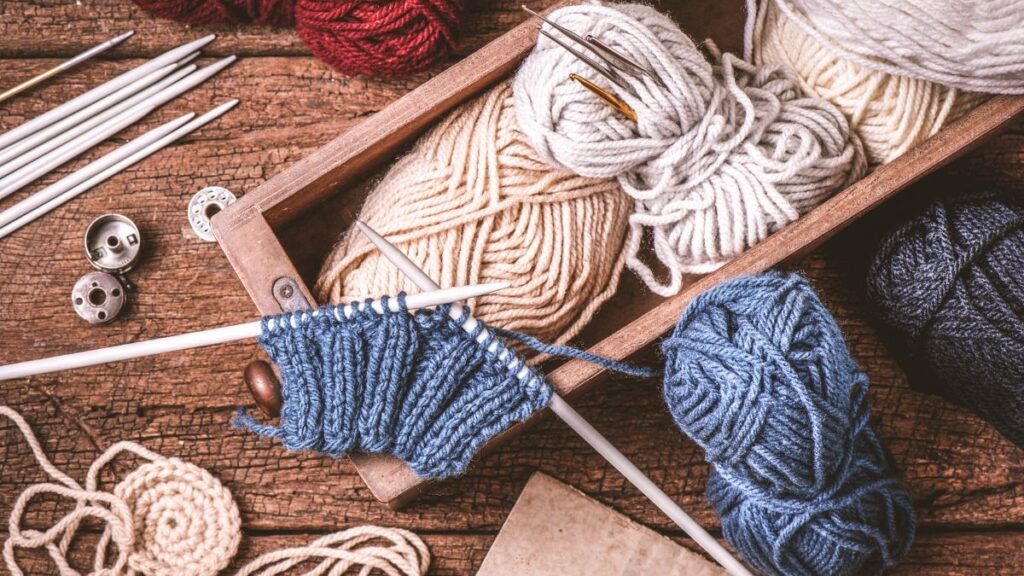
Knitting and crochet can move from gift giving to paid orders without a large investment. Baby blankets, scarves, hats, bags, seasonal decorations, and personalized items can all be sold locally or online.
Etsy is one option, but its costs matter. Etsy currently lists a $0.20 listing fee and a 6.5 percent transaction fee, with payment processing and other fees potentially applying as well.
That means a $40 item does not put $40 in your pocket. Yarn, packaging, platform fees, and hours spent making the piece all need to be included in your price.
Best first move: Make three to five items in one category and test them at a local craft market or online.
4. Woodworking Can Turn Small Projects Into Sales
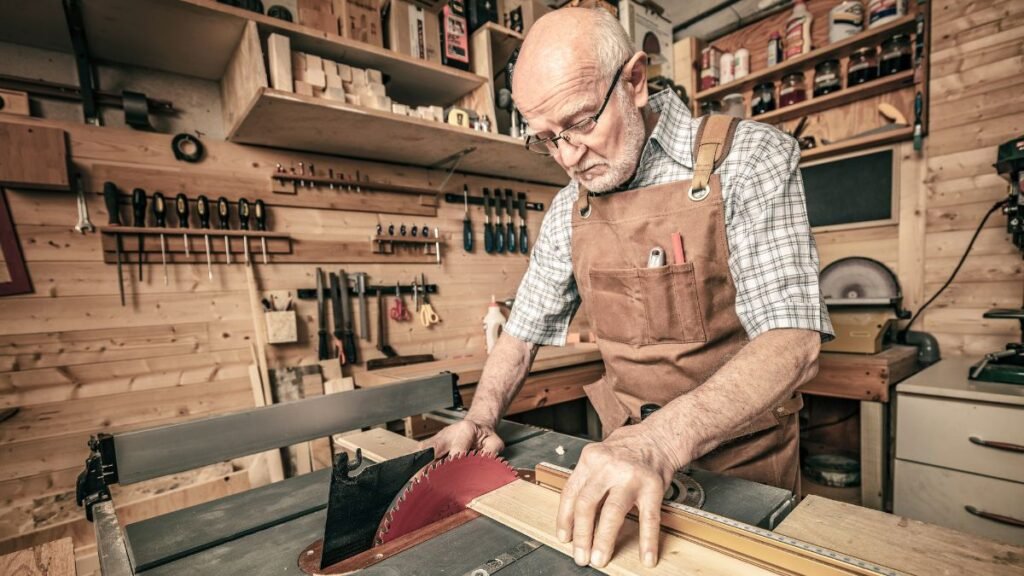
You do not need to build dining tables to make woodworking profitable. Smaller items can be easier to produce, store, price, and sell.
Cutting boards, garden planters, birdhouses, simple shelves, keepsake boxes, and small repair jobs can all suit someone who already spends time in a workshop.
Repeatable projects are especially useful. Making the same planter several times is usually easier than accepting a completely different custom project from every customer.
Large wooden products can also be expensive to ship. Local pickup lets you keep the idea simpler while you test demand.
Best first move: Pick one project you can make well without buying new machinery.
5. Photography Can Pay Without Becoming a Studio Business

Photography does not have to mean weddings and expensive studio equipment. Small photography jobs can fit much better around retirement.
Family portraits, graduation pictures, pet photos, local events, product photos, and property photos are possible starting points. You can begin with people already familiar with your work.
Do not rush to replace your camera because you have received your first paid request. Use the equipment you already know until the work itself gives you a reason to upgrade.
Remember that the job continues after you stop taking pictures. Editing, file storage, travel, communication, and delivery all take time.
Best first move: Create a small portfolio of ten to fifteen strong images showing the type of photography you want to sell.
6. Pet Care Can Become Regular Weekly Income

Pet sitting suits people who genuinely enjoy animals and want work that can stay close to home. Dog walks, drop in visits, house sitting, and overnight care can all create repeat customers.
Rover allows sitters and walkers to choose their own rates. Its United States help center says new providers may face a $49 to $79 profile review fee depending on location, and providers generally take home 80 percent of their booking earnings.
The physical side matters. Walking a calm older dog is very different from controlling a strong young dog that pulls hard on a leash.
Choose animals and services that fit your energy, home, and schedule.
Best first move: Decide exactly which animals, sizes, and services you are comfortable accepting before advertising.
7. Tutoring Lets You Sell Knowledge You Already Have
A career may have left you with knowledge that still has value even after you stop working full time. Tutoring gives you a way to sell that knowledge by the hour.
Math and English are obvious choices, but tutoring can include languages, music theory, computer basics, accounting, writing, test preparation, and professional software.
Online platforms can connect you with students, although they take part of the fee. Wyzant says tutors generally keep 75 percent of their posted hourly rate, while the platform retains 25 percent for standard lessons.
You can also find students locally through parents, libraries, community groups, and referrals.
Best first move: Write down three subjects you could comfortably explain to a beginner for an hour.
8. Music Lessons Can Turn Years of Practice Into Income

If you have played piano, guitar, violin, drums, or another instrument for years, beginners may be willing to pay for your help.
You do not have to train future professionals. Plenty of students simply want to play a few songs, improve technique, or enjoy music without feeling lost.
Beginner lessons can also be easier to schedule. You might teach two afternoons per week instead of filling every day with appointments.
Set rules for cancellations and missed lessons from the beginning. Clear expectations prevent a pleasant hobby from becoming frustrating work.
Best first move: Offer a short beginner course built around one clear result, such as learning basic chords or reading simple music.
9. Writing and Editing Can Be Sold From Home

If people have always asked you to fix their letters, reports, resumes, or grammar, that skill may have value beyond favors for friends.
Freelance work can include proofreading, editing, newsletters, blog posts, resumes, business descriptions, and simple research. Your former career can give you a useful specialty.
A retired nurse might edit health education material. A former accountant may be better suited to financial or business writing than someone starting from zero.
Upwork is one possible marketplace. Its current help information says freelancer service fees can range from 0 percent to 15 percent per contract, so fees need to be considered when setting rates.
Best first move: Prepare three short samples that show the type of work you want clients to hire you for.
10. Sewing and Alterations Can Bring Repeat Customers
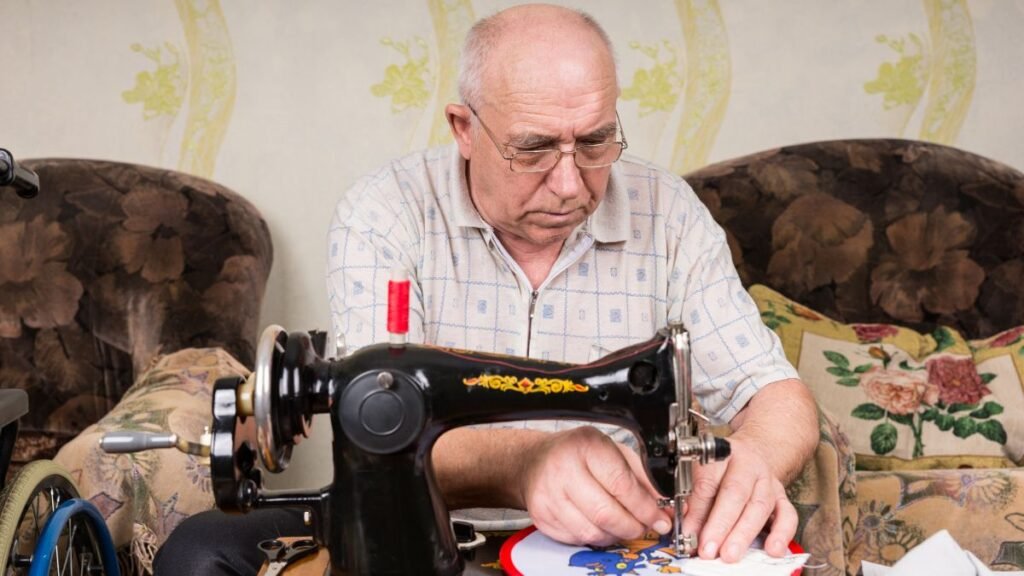
People regularly need clothing repaired even when they do not need a custom outfit made from scratch. That can make simple sewing skills surprisingly useful.
Hemming pants, repairing seams, replacing basic fasteners, shortening curtains, and making cushion covers are possible services. You can choose jobs that match your skill instead of accepting every request.
Repairs may also require less material than producing finished products for sale. That reduces the amount of money tied up in fabric and unsold inventory.
Price your time as well as your supplies. A job that uses $3 of thread can still take an hour to complete.
Best first move: Create a simple price sheet for five jobs you can perform confidently.
11. Collecting Can Turn Into Reselling

Years spent collecting records, books, tools, dishes, furniture, coins, toys, or other objects can give you something valuable: knowledge.
A person who knows a category can often spot differences that casual shoppers miss. You may recognize makers, editions, materials, condition problems, or pieces that have genuine demand.
That does not make every bargain profitable. Selling fees, shipping, storage, damaged merchandise, and slow inventory can eat into the difference between the buying and selling price.
Start by selling things you already own and no longer want. You can learn how buyers behave before spending money on inventory.
Best first move: List five items from your own collection that you are comfortable selling.
12. Home Organizing Can Become a Paid Local Service
If you are the person friends call when a closet, pantry, or stack of paperwork gets out of control, organization can become a service.
You might help with kitchens, closets, garages, home offices, paperwork, or downsizing before a move. Older clients may especially appreciate someone who does not treat decades of possessions like meaningless clutter.
You do not need to start with an entire house. A two hour closet or kitchen project is easier for both you and the customer.
Be clear about what you do and do not provide. Organization is different from legal, financial, medical, or professional moving advice.
Best first move: Offer one clearly defined service, such as closet organization or downsizing help.
13. Local History Can Turn Into Tours or Research Work
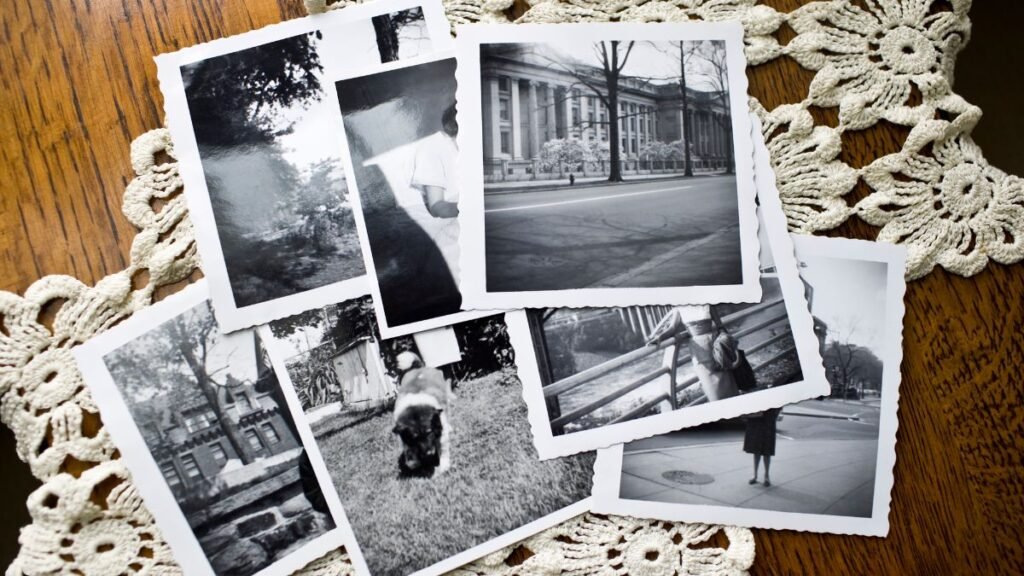
Some people know more about their town than many people who officially work there. Years of reading local history, collecting photographs, researching buildings, or studying family records can become useful knowledge.
That knowledge can support walking tours, talks, genealogy help, research projects, or presentations for local groups. Visitors often want stories that are difficult to learn from a standard map.
Start with a narrow topic. A focused tour about one neighborhood, historic district, cemetery, or architectural period is easier to build than a complete history of an entire city.
Commercial tour rules differ by location, so check city requirements before taking paid groups onto public streets or historic sites.
Best first move: Build one 45 to 60 minute route around a subject you know especially well.
14. Teaching Your Hobby Can Pay Better Than Selling It

Sometimes the most profitable part of a hobby is not the finished item. It is showing someone else how to do it.
A painter can teach beginner watercolor. A gardener can teach seed starting. A skilled cook can run a basic pasta class. A photographer can teach smartphone photography.
Group classes can make the numbers especially interesting because several people pay for the same hour of instruction. Libraries, senior centers, recreation departments, craft stores, and community spaces may also provide places to teach.
Keep your first class simple. People are usually more comfortable paying for a clear result than a broad promise to learn everything.
Best first move: Create a one hour beginner class that solves one specific problem.
Before Your Hobby Starts Making Real Money
Making a few sales can feel informal, but taxes do not disappear because you call the activity a hobby.
The IRS issued updated guidance on June 2, 2026 explaining that businesses generally operate with a profit motive while hobbies are primarily pursued for recreation or pleasure. It looks at several factors, including your intent to profit, your records, the time you put into the activity, and whether you have made profits from similar activities.
The Taxpayer Advocate Service also notes that income from a hobby can still need to be reported even when the activity does not qualify as a business.
If an activity becomes regular paid work, keep records of money coming in and legitimate costs. IRS guidance says people operating a sole proprietorship as a business generally use Schedule C, while hobby income is handled differently.
You should also check state and local requirements. Food sales, tours, home businesses, childcare, and certain services can have additional rules depending on where you live.

I’m Austin Becker, an advocate for living life with intention and resilience. I write for men who are actively navigating life’s major transitions, tackling the realities of reinvention and finding renewed purpose with grit and honesty. I believe that personal growth doesn’t have a deadline it’s about continuously gearing up for the chapters that matter most.
Through my work, I aim to strip away the clichés of modern manhood, offering practical, no-nonsense insights on health, mindset, and legacy for those who want to move forward with strength and clarity.