

You are finally eligible to claim Social Security at 62. The money is available now, and waiting can feel like gambling with income you have earned.
But something may still feel wrong.
You may worry that filing early will leave money on the table. At the same time, you may fear waiting years for larger checks that you might never receive. That tension pushes many people to file before they have studied the full effect.
The smaller monthly payment is only part of the story.
Some retirees regret claiming early because they returned to work. Others later saw how the decision affected a spouse, taxes, inflation, or health coverage. A few simply treated age 62 as a deadline when it was only the first available date.
What Claiming Social Security at 62 Really Changes

You can begin Social Security retirement benefits at age 62. However, filing before full retirement age reduces your monthly benefit.
For people born in 1960 or later, full retirement age is 67. A person who turns 62 in 2026 and files at exactly 62 generally receives about 30 percent less than the amount payable at 67, according to the Social Security Administration.
Suppose your benefit at 67 would be $2,000 a month. A 30 percent reduction would bring it to about $1,400 before other adjustments or deductions.
That difference does not disappear when you reach 67. Early filing changes the base amount used for future payments.
Waiting can work in the other direction. Benefits may continue increasing after full retirement age through delayed retirement credits. The increase stops at age 70, so waiting beyond 70 does not create a larger retirement benefit.
This does not mean everyone should wait.
It means you should treat claiming as a household income decision, not a birthday tradition.
13 Retirees Who Claimed Social Security at 62 and Saw the Tradeoff Later
1. Linda Returned to Work and Her Checks Were Withheld

Linda left a stressful job at 62 and filed for Social Security right away. Six months later, a former employer offered her a well paid position with flexible hours.
She accepted. Then she learned about the retirement earnings test.
In 2026, someone younger than full retirement age for the entire year can earn up to $24,480 before benefits are withheld.
Social Security generally withholds $1 in benefits for every $2 earned above that limit. A different limit applies during the year a person reaches full retirement age.
The withheld money is not always lost forever. Social Security can recalculate the benefit at full retirement age to account for months when payments were withheld.
But Linda still faced a cash flow problem. She had built her new budget around receiving both wages and a full Social Security check.
2. Robert Thought the Reduction Ended at 67

Robert knew his check would be lower when he filed at 62. He assumed the reduction lasted only until full retirement age.
At 67, he expected his payment to jump to the full amount shown on an old benefit statement.
It did not.
Claiming early causes an age based reduction. Reaching full retirement age does not automatically restore the payment to the amount Robert would have received if he had waited.
His benefit could still rise through annual cost of living adjustments. But those adjustments would be applied to his smaller starting amount.
The lesson: The word “early” describes when you start. It does not mean the reduction is temporary.
3. Janet Planned for 10 Years but Lived Much Longer

Janet’s parents died in their seventies. She believed she would probably follow the same pattern, so taking benefits at 62 seemed sensible.
At 82, she was active, independent, and living on a smaller monthly check than she could have received by waiting.
Family history matters, but it is not a personal expiration date. Medical care, lifestyle, chance, and personal health can lead to a much longer retirement than expected.
The Social Security Administration provides a life expectancy calculator because longevity is a major part of retirement planning. It gives population based estimates rather than personal medical predictions.
The lesson: Test your plan through age 85, 90, and 95. A long life can turn monthly income into your most valuable asset.
4. David Reduced the Income His Wife Later Needed

David earned far more than his wife during their working years. He filed at 62 because the couple wanted extra money for travel.
Years later, David died first.
His wife then depended heavily on survivor income. The couple had focused on how early claiming affected David while he was alive. They had spent little time studying what it could mean for the spouse who lived longer.
An eligible surviving spouse can receive up to 100 percent of the deceased spouse’s benefit at survivor full retirement age. Starting survivor benefits earlier can reduce the amount.
The exact result depends on each spouse’s earnings record, claiming history, age, and benefit type.
The lesson: The higher earner’s claiming choice can be a survivor planning decision, not just a personal decision.
5. Maria Thought Social Security Included Medicare

Maria left work at 62 and filed for Social Security. She assumed federal health coverage would begin at the same time.
It did not.
For most people, Medicare eligibility begins around age 65, not at 62. Starting Social Security can affect how Medicare enrollment happens later, but it does not normally provide Medicare coverage three years early.
Maria had to buy private coverage until she reached Medicare age. The premiums and deductibles consumed much of her Social Security income.
Her main regret was not the benefit reduction. It was retiring without pricing the health insurance gap.
The lesson: Build a separate health coverage plan for every month between leaving work and becoming eligible for Medicare.
6. Thomas Claimed Before Asking Whether Savings Could Bridge the Gap
Thomas had a moderate retirement account and enough cash to cover basic spending for several years. Still, he hated watching his savings balance fall.
He filed for Social Security at 62 to avoid withdrawals.
Later, he learned that he could have compared two strategies:
- Claim Social Security immediately and withdraw less from savings.
- Use part of his savings first and claim a larger Social Security benefit later.
The second choice would not automatically have been better. Investment returns, taxes, market risk, health, and spending needs all matter.
But Thomas regretted never running the comparison.
The lesson: Savings are not always something you must protect at any cost. In some plans, they can act as a temporary bridge to a larger monthly benefit.
7. Susan Missed How Inflation Would Affect the Dollar Difference

Susan compared her estimated benefit at 62 with her estimate at 67. The gap seemed manageable at the time.
What she missed was that future cost of living adjustments would be applied to different starting amounts.
Social Security announced a 2.8 percent cost of living adjustment for 2026. The adjustment raised retirement benefits, but a person with a larger existing payment generally receives a larger dollar increase than someone with a smaller payment.
For example, the same percentage increase produces more dollars when applied to $2,000 than when applied to $1,400.
The percentage protection is still valuable for both retirees. Yet the dollar gap between two claiming choices can remain important over many years.
The lesson: Compare future monthly income, not just the first year of payments.
8. Charles Filed Because He Feared Social Security Would Disappear

Charles heard that Social Security faced long term financial pressure. He became convinced that anyone who waited would receive nothing.
He filed the first month he was eligible.
Concerns about the program’s future are real subjects for public debate. But Charles made a permanent personal choice based on a feared outcome rather than his own benefit estimates, health, savings, and household needs.
Claiming early does not protect a person from every possible future change to the program. It simply starts benefits sooner under current law.
The lesson: Separate public policy concerns from personal math. Review current rules and avoid treating the worst possible headline as a certain outcome.
9. Karen and Bill Chose Their Ages Separately
Karen filed at 62 because she had stopped working. Bill planned to wait because his benefit was larger.
They treated the choices as two separate decisions.
Later, they learned that married couples may need to compare several household income paths. These can include each spouse’s retirement benefit, possible spousal benefits, survivor benefits, work income, and the order in which benefits begin.
Social Security’s deemed filing rules may require someone who is eligible for both retirement and spousal benefits to be treated as applying for both. Survivor benefits follow different filing rules in some situations.
Karen and Bill had not made an illegal or clearly wrong choice. They simply had not checked how the two records worked together.
The lesson: Married couples should compare combined lifetime income and survivor income, not two isolated monthly checks.
10. Frank Filed Before Correcting His Earnings Record
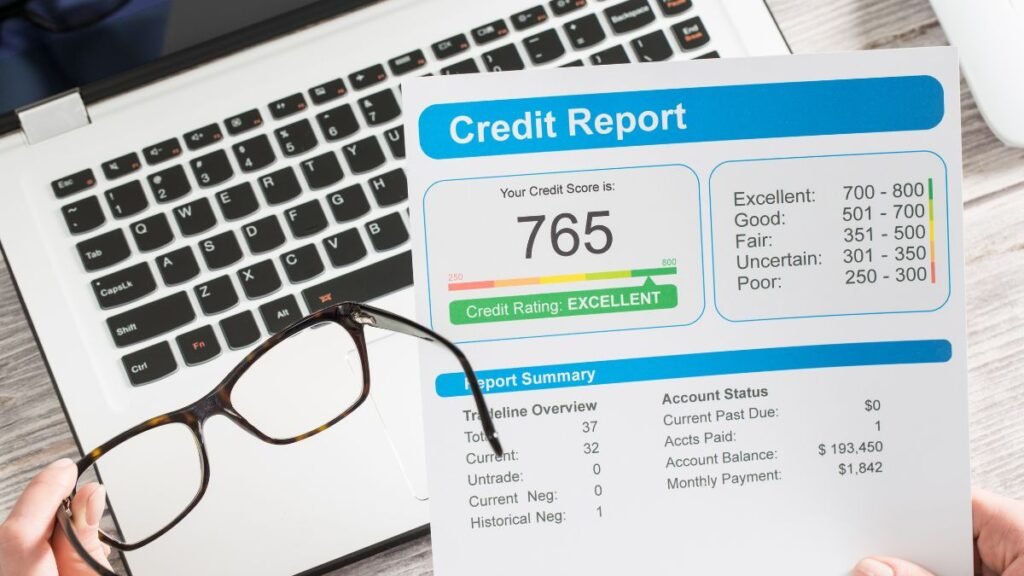
Frank opened a My Social Security account only after his payments began. He then noticed that several years of earnings appeared lower than expected.
Social Security calculates retirement benefits from a worker’s lifetime earnings record. Missing or incorrect earnings can affect the benefit estimate and final payment.
Some errors can be corrected with documents such as W 2 forms, tax returns, or pay records. The steps depend on the situation and how old the earnings are.
Frank’s regret was simple. He had spent weeks comparing claiming ages using numbers he had never checked.
The lesson: Review your complete earnings record before comparing benefit dates.
11. Eleanor Did Not Expect Part of Her Benefit to Be Taxable
Eleanor believed Social Security benefits were always free from federal income tax.
She also received pension income and took money from a traditional retirement account. That mix changed the tax result.
The IRS says benefits may become taxable when one half of Social Security benefits plus other income, including tax exempt interest, exceeds the applicable base amount for the filing status.
This does not mean every retiree pays tax on Social Security. It means the result depends on the full income picture.
Claiming early gave Eleanor another income source during years when she was already taking taxable retirement withdrawals.
The lesson: Estimate taxes using Social Security, pensions, wages, interest, and retirement account withdrawals together.
12. George Learned About the Do Over Too Late

George claimed at 62 and regretted it eight months later. He contacted Social Security and learned that withdrawing the application might be possible.
Then he saw the catch.
A retirement application can generally be withdrawn within 12 months after approval. The person must repay benefits received, including certain payments made to family members and amounts withheld for items such as taxes or Medicare premiums.
George could not afford the repayment.
Another option may become available after full retirement age. A person who has reached full retirement age but is under 70 can request suspension and earn delayed retirement credits for future months.
Suspension does not erase all effects of the original early claim. Family benefits and Medicare related issues may also require care.
The lesson: Learn the correction rules before you need them. The main withdrawal window is limited, and repayment can be difficult.
13. Patricia Treated Age 62 as a Filing Deadline
Patricia received mail about Social Security as her sixty second birthday approached. Friends were claiming. Online ads warned her not to leave money uncollected.
She felt that she had to make a choice right away.
But 62 is the earliest general eligibility age for retirement benefits. It is not a deadline. A person can choose a later month based on income needs and personal circumstances.
Patricia later realized she could have waited six months, one year, or longer while she studied the decision.
Even a short delay can change the payment because early retirement reductions are based on the number of months benefits begin before full retirement age.
The lesson: You do not have to choose between filing at 62 and waiting all the way to 70. Social Security claiming age is a range, not a single test date.
When Claiming Social Security at 62 Can Still Make Sense
Claiming early is not automatically a bad move.
A reduced payment that meets an urgent need can be more useful than a larger future payment that does not solve today’s problem.
Filing at 62 may deserve serious consideration when:
- Your health is poor and your expected lifespan may be shorter.
- You have lost your job and have no realistic way to replace the income.
- You have little accessible savings.
- You need income for housing, food, or essential care.
- Your spouse’s income already covers the household’s later life risks.
- A detailed couple strategy supports one spouse filing earlier.
- Receiving income now would let you leave work that is harming your health.
There is also value in peace of mind. Some people would rather receive smaller payments sooner, even after seeing the long term math.
That can be a valid choice.
The key is knowing what you are giving up and why you are doing it. A choice based on clear needs is different from filing because friends did it or because 62 felt like a deadline.

I’m Austin Becker, an advocate for living life with intention and resilience. I write for men who are actively navigating life’s major transitions, tackling the realities of reinvention and finding renewed purpose with grit and honesty. I believe that personal growth doesn’t have a deadline it’s about continuously gearing up for the chapters that matter most.
Through my work, I aim to strip away the clichés of modern manhood, offering practical, no-nonsense insights on health, mindset, and legacy for those who want to move forward with strength and clarity.