

You can choose a beautiful retirement city and still end up feeling poor every month. Housing takes a bite. Property taxes follow. Then come insurance, food, medical bills, utilities, and the cost of simply getting around.
That is why the affordable places to retire in 2026 are not always the sunny cities that fill retirement brochures. Some of the strongest values are in smaller inland cities where housing remains reasonable and basic services are still close by.
Kiplinger’s 2026 research found affordable retirement choices spread across the country, including Midwest cities, college towns, and smaller Southern markets.
Its analysis considered living costs, housing, health facilities, safety, community factors, and taxes rather than looking at cheap houses alone.
1. Johnstown, Pennsylvania Makes Housing the Big Advantage

If housing is swallowing too much of your retirement plan, Johnstown deserves a closer look.
Zillow reported an average Johnstown home value of about $92,811 as of July 31, 2026. Average rent was about $861, compared with Zillow’s national rent figure of $1,962 for the same month.
That gap can change a retirement budget fast. Selling a more expensive home and buying a modest property here could leave more savings available for travel, medical costs, repairs, or simply keeping a larger emergency fund.
Pennsylvania adds another benefit. The state generally does not tax Social Security benefits or qualifying retirement distributions after retirement requirements are met.
Johnstown also has Conemaugh Memorial Medical Center, so this is not a tiny town with no major medical presence. Investopedia has highlighted the city for low housing costs, public transit, outdoor recreation, and access to health services.
There is a catch. Many homes are older, and Pennsylvania winters can add heating and maintenance expenses. A cheap purchase price means less if the roof, furnace, plumbing, and insulation all need work.
2. Niles, Michigan Gives You Small Town Prices Near a Larger City
Niles works well for someone who wants a quieter town without being completely cut off from a larger city.
Zillow put the average Niles home value at $217,147 in July 2026. Its June rental data showed average rent near $1,094, far below the national figure reported for that month.
The location is part of the appeal. Investopedia notes that South Bend, Indiana, is less than 15 miles away, giving residents access to more shopping, medical services, restaurants, and events without requiring them to live in a larger city.
Michigan became more interesting for retirees in 2026 because changes to state law expanded the treatment of qualifying retirement and pension income. Social Security is also exempt from Michigan income tax.
The downside is easy to spot on a January morning. Winters are cold and snowy, which can mean heating bills, snow removal, and tougher driving.
But if you can live with winter, Niles shows why smaller Great Lakes communities can compete with much more famous retirement markets.
3. Peoria, Illinois Cuts One of Retirement’s Largest Costs
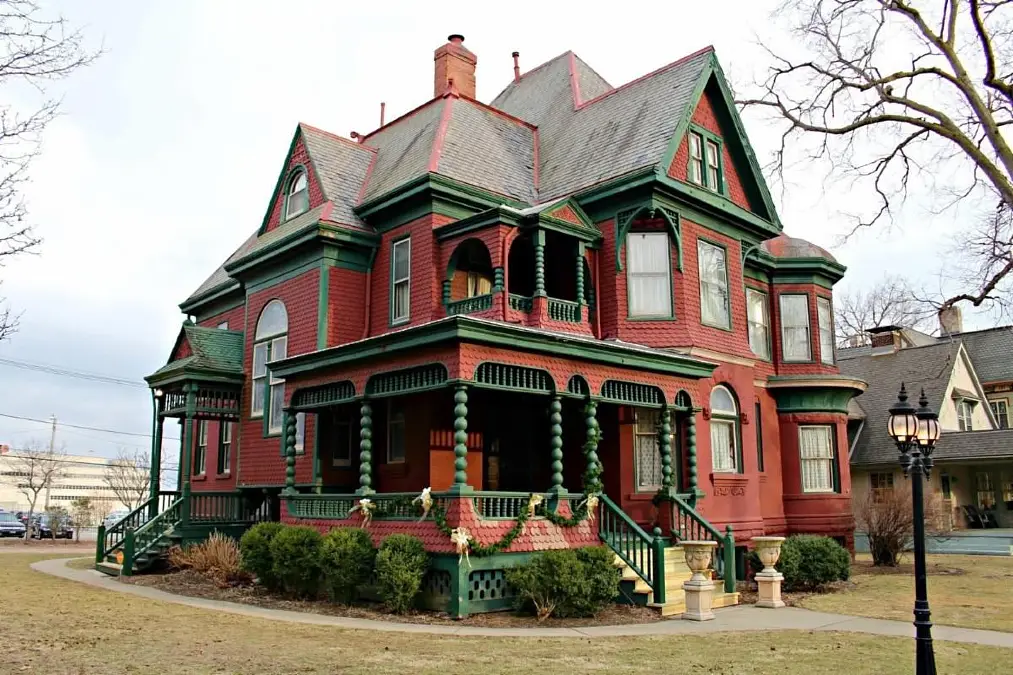
Peoria may be one of the strongest pure budget plays on this list.
Kiplinger’s 2026 analysis found that living costs for retirees in Peoria were 24.4% below the national average. Housing expenses for retired residents were about 61.5% below the national average, while the cited median home value was roughly $132,671.
Those numbers matter because housing remains one of the biggest expenses you can control after retirement. Cutting a housing payment by hundreds of dollars a month can do more for a fixed income than saving a few dollars at the grocery store.
Illinois also generally exempts qualifying retirement income, including Social Security and many pension and retirement plan distributions, from state income tax.
Peoria has more than cheap homes. The park district operates dozens of parks, while the riverfront adds museums, restaurants, and cultural events. Kiplinger also notes free programs for older adults at the Peoria Riverfront Museum.
You do need to research neighborhoods carefully. Crime levels vary, and Illinois property taxes can reduce some of the savings you gain from a low purchase price.
4. Fort Wayne, Indiana Offers Low Costs Without Feeling Tiny
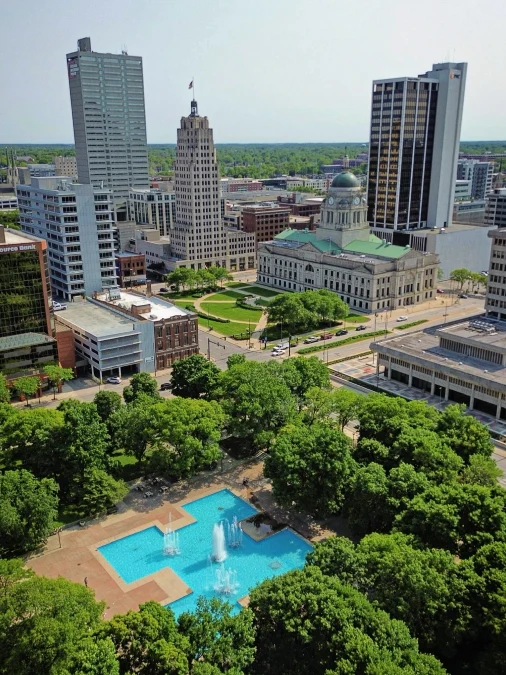
Some cheap retirement towns feel cheap because there is little around them. Fort Wayne is different.
Kiplinger estimates that its retiree living costs are 18% below the national average. Yet Fort Wayne is large enough to provide restaurants, cultural events, festivals, medical facilities, shopping, and established neighborhoods.
Outdoor space is another advantage if you want inexpensive ways to spend your days. Kiplinger notes more than 80 parks and roughly 100 miles of hiking and biking trails in the area.
That gives you something important in retirement: activities that do not require buying tickets, booking hotels, or driving several hours.
Indiana is less generous with some forms of retirement income than states such as Illinois, Pennsylvania, South Dakota, or Tennessee. You should calculate your personal state tax bill before moving.
Even so, Fort Wayne can work well for retirees who care more about keeping monthly living costs manageable than chasing warm winter weather.
5. Fargo, North Dakota Rewards Retirees Who Can Handle Winter

Fargo is easy to dismiss because of the weather. That may be exactly why its costs deserve attention.
Kiplinger’s 2026 analysis puts retiree living costs in Fargo 9.4% below the national average. The same report cited a median home cost of $318,584 and rated North Dakota as tax friendly for retirees.
Fargo also has something many smaller low cost towns lack: a major university. North Dakota State University brings sporting events, theater, music, classes, and other activities into the community.
The tradeoff is winter, and it is a serious one. Kiplinger reports an average January low around zero degrees and roughly 47 inches of yearly snow.
That means you need to budget for heating, winter clothes, snow removal, and possibly more indoor transportation.
Still, retirees who already enjoy northern weather may find that Fargo offers a useful mix of lower costs and enough services to stay active.
6. Sioux Falls, South Dakota Pairs Tax Savings With Health Care

Sioux Falls is worth studying if your retirement income comes from several sources.
South Dakota has no individual state income tax. That means the state does not take a share of your Social Security, pension, IRA distributions, or 401(k) withdrawals through a personal income tax.
Kiplinger also found retiree living costs about 3.7% below the national average. Its analysis cited a median home value of roughly $333,043.
Housing is clearly more expensive here than in Johnstown or Peoria. The reason Sioux Falls still earns a spot is the combination of taxes and services.
Kiplinger notes that the city has hospitals with services aimed at older patients, along with recreation programs that include organized walks and senior activities.
Cold weather remains the main compromise. You also should compare property taxes and housing costs with the income tax savings you expect to receive.
For some households, though, eliminating state tax on retirement withdrawals could make the total math work surprisingly well.
7. Green Bay, Wisconsin Keeps Housing Costs Below Many Larger Cities

Green Bay gives retirees another way to use the Midwest to their advantage.
Kiplinger’s 2026 research found that housing expenses for retirees in Green Bay were about 20% below the national average. The publication cited a median home value of roughly $282,595.
That price does not make Green Bay the cheapest place on this list. What makes it interesting is what surrounds the housing.
The University of Wisconsin presence supports cultural events and community activities. The city also has health services, a walkable central area, parks, restaurants, and plenty to do during warmer months.
Wisconsin does not tax Social Security benefits. Other retirement income can face state tax, although some older residents may qualify for exclusions depending on age and income.
Winter is the obvious drawback. Heating, snow removal, and cold weather driving should be part of your budget before you move.
Still, if a four season climate is fine with you, Green Bay can offer much of what retirees want without the price of a major metro.
8. Huntsville, Alabama Offers Southern Living Without Florida Prices
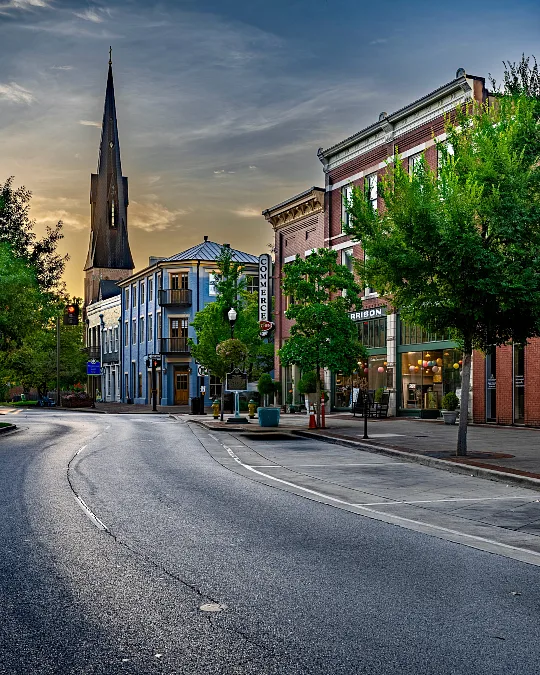
If you want warmer weather but worry about the costs attached to famous retirement states, Huntsville offers another option.
Kiplinger’s 2026 analysis found retiree living costs here 5.8% below the national average. Alabama was also rated tax friendly for retirees in the report.
Alabama does not tax Social Security benefits. Defined benefit pension income also receives favorable treatment, while qualifying residents age 65 and older can receive an exemption on a portion of some other retirement income.
Huntsville also has a stronger economic and cultural base than many towns marketed as low cost retirement destinations. NASA’s Marshall Space Flight Center, Redstone Arsenal, and the University of Alabama in Huntsville help support a larger professional community.
That means more restaurants, events, medical options, and daily services.
Housing demand has grown, so Huntsville is no secret bargain anymore. You still need to compare neighborhoods and current home prices.
But for retirees looking for a Southern climate without automatically choosing Florida, it remains worth running the numbers.
9. Roanoke, Virginia Gives You Mountain Access Without Resort Pricing

Mountain towns can get expensive quickly. Roanoke gives you the scenery without requiring you to live in a high priced resort community.
Investopedia included Roanoke among its 2026 Southeast retirement destinations and points to its location near the Blue Ridge Mountains.
Virginia also gives retirees some tax relief. Social Security is not taxed at the state level. Residents age 65 and older may qualify for a deduction of up to $12,000 of eligible retirement income, although income rules and other limits apply.
Roanoke is large enough to offer hospitals, stores, restaurants, and community services while keeping you close to hiking and mountain drives.
That combination matters if your ideal retirement involves inexpensive outdoor time rather than constant paid entertainment.
Virginia is not a zero tax state, and the retirement deduction will not apply equally to everyone. Check your own income mix before assuming you will receive the full benefit.
For the right retiree, Roanoke can provide a useful balance between nature, services, and cost.
10. Johnson City, Tennessee Avoids the Price Tag of Nashville
Tennessee has attracted plenty of retirees, but much of the attention goes to Nashville and Knoxville.
Johnson City offers a quieter alternative.
Investopedia’s 2026 Southeast retirement research lists Johnson City among its selected Tennessee locations. It sits near the Appalachian Mountains, giving residents access to lakes, trails, and scenic drives.
Tennessee also has no individual state income tax. Social Security, pension payments, and withdrawals from retirement accounts therefore avoid state personal income tax.
That can make budgeting simpler when you rely on several retirement income sources.
The city also benefits from a university and regional medical presence, which helps separate it from very small mountain towns where specialty care might require a long drive.
There is one warning. More retirees and remote workers have discovered parts of eastern Tennessee, so housing is not frozen at old bargain prices.
Compare current listings rather than relying on what someone paid five years ago.
11. Lebanon, Pennsylvania Makes Transportation Easier for Older Adults

Lebanon shows why affordability is about more than the price of a house.
Investopedia reported in June 2026 that the city’s cost of living was about 6% below the national average, with an average home value of approximately $285,427 based on March data.
There is another budget benefit that becomes more valuable as you age. Lebanon Transit allows residents age 65 and older to ride fixed routes free with a Senior Transit Card. The same Investopedia report noted low cost shared ride options.
If that allows you to drive less or delay replacing a car, the savings can reach well beyond a bus fare.
Health care is another plus. The area is served by WellSpan, Penn State Health, and the Lebanon VA Medical Center for eligible veterans.
Pennsylvania also does not tax Social Security and generally exempts qualifying retirement distributions after retirement conditions are met.
The main compromise is winter weather. But Lebanon could suit retirees who want a smaller community without giving up regional medical access.
12. Elgin, Illinois Gives You Chicago Access Without Chicago Living Costs
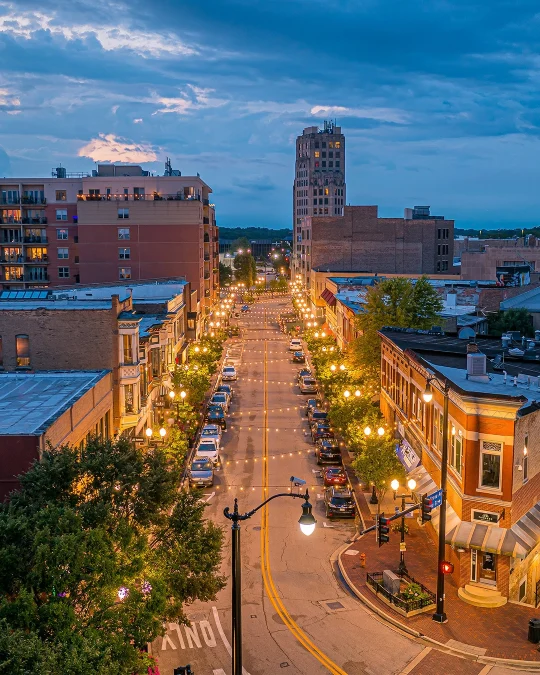
Some retirees do not want to give up museums, airports, major hospitals, or family connections in a large city.
They just do not want to pay big city housing costs every month.
Elgin sits about 40 miles northwest of downtown Chicago. Investopedia reported in August 2026 that its average home value was around $343,968, below the national average used in its analysis, while overall living costs were about 6% below the U.S. average.
Metra and Pace service provide connections through the Chicago region. That can be useful if you want access to a major metro without living in the center of it.
Illinois also generally exempts Social Security and qualifying retirement income from state income tax.
There is a major number you should check before celebrating the tax savings: property tax.
Illinois property taxes can be substantial. Compare the actual tax bill on specific homes instead of looking at purchase price alone.
For retirees with family or medical connections around Chicago, Elgin can still offer a practical middle ground.
13. McAllen, Texas Can Make Social Security Cover More of the Budget

McAllen stands out because there is a simple way to see what low living costs can do for retirement income.
A Kiplinger analysis of metro retirement spending found that Social Security covered about 34.61% of estimated retiree spending in McAllen, the highest share among the metros in its comparison. The publication also reported living costs around 17.6% below the national average.
That does not mean Social Security alone will fund a comfortable retirement. It means each benefit dollar may cover more of the local budget than it would in many expensive coastal markets.
Texas adds another benefit because it has no individual state income tax. Social Security, pension income, and retirement account withdrawals therefore do not face a Texas personal income tax.
Warm winters may also appeal to retirees who want to avoid snow.
But do not look at income tax alone. Texas property taxes can be significant, summer heat can raise cooling costs, and insurance varies by property and location.
McAllen makes the strongest case when you compare the whole monthly budget, not one tax rate.
The Cheapest City Is Not Always the Best Retirement City
The biggest lesson from these affordable places to retire in 2026 is that there is no single cheapest city that works for everyone.
Peoria and Johnstown can offer remarkably low housing costs. Sioux Falls and Tennessee cities may work better if reducing state income taxes matters more. Roanoke may win if outdoor access matters, while Elgin can make sense when staying connected to a large metro is important.
Before moving, choose three possible cities and price your real life in each one. Check housing, property tax, insurance, utilities, groceries, medical care, transportation, and travel back to family.
Then visit your favorite choice during its worst season.
A place that still feels right after you see the heat, snow, traffic, taxes, and ordinary neighborhoods has a much better chance of helping your retirement dollars last.

I’m Austin Becker, an advocate for living life with intention and resilience. I write for men who are actively navigating life’s major transitions, tackling the realities of reinvention and finding renewed purpose with grit and honesty. I believe that personal growth doesn’t have a deadline it’s about continuously gearing up for the chapters that matter most.
Through my work, I aim to strip away the clichés of modern manhood, offering practical, no-nonsense insights on health, mindset, and legacy for those who want to move forward with strength and clarity.