
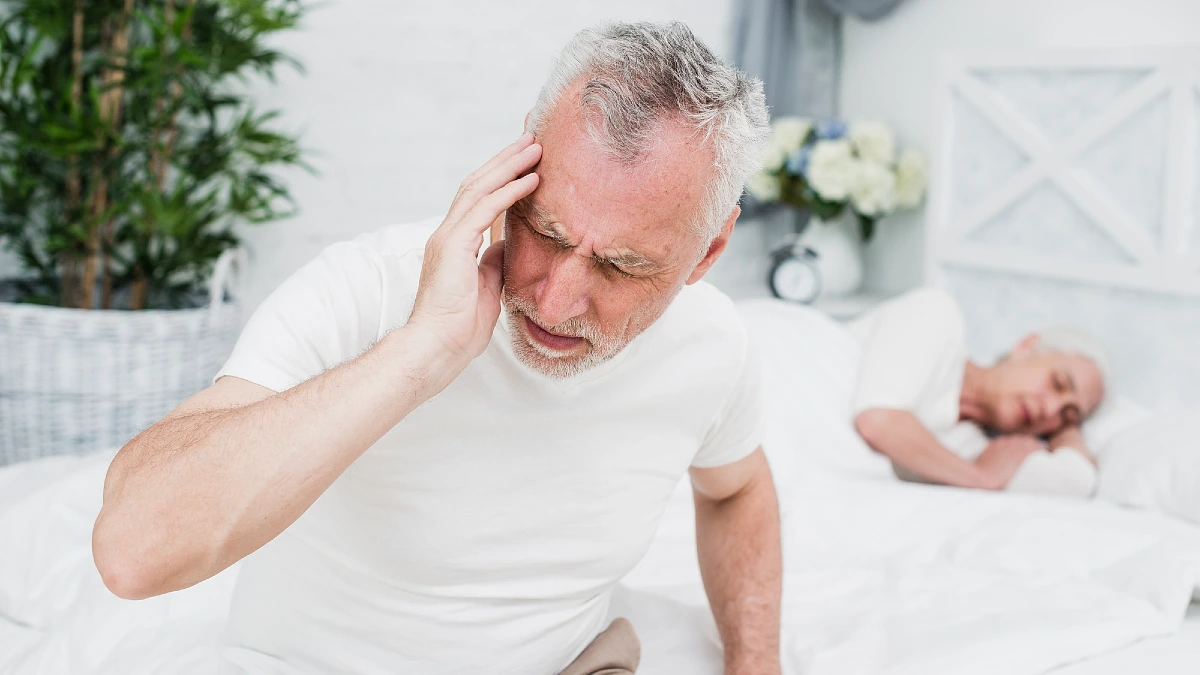
Turning 70 does not usually feel like crossing a clear line. You wake up as the same person, with the same memories, routines, and plans you had the day before.
Still, small changes may begin getting your attention. A noisy restaurant may feel more tiring, stairs may demand more effort, or driving after dark may require more focus than it once did.
These are some of the things that change after 70, but they do not happen the same way for everyone. Your health, activity level, medications, genetics, social life, and daily habits all affect how aging feels.
1. Your Body Starts Charging More for Inactivity

One of the biggest changes after 70 can happen so slowly that you barely notice it. You may realize that getting out of a low chair takes more effort or that carrying groceries feels heavier than it did a few years ago.
Muscle mass, strength, and power tend to decline with age. The National Institute on Aging reports that muscle power and performance often decline faster after about age 70 in men and after about age 65 in women.
That matters because strength supports almost everything you do during the day. Strong legs help you climb stairs, strong hips support balance, and strong arms make daily tasks easier.
The good news is that older muscles can still respond to exercise. Regular activity can help you preserve strength and make everyday movement easier.
The National Institute on Aging recommends a mix of aerobic activity, muscle strengthening, and balance work for older adults. Muscle strengthening activities are generally recommended at least two days each week.
Useful activities may include:
- Walking regularly
- Standing up from a sturdy chair
- Using resistance bands
- Lifting manageable weights
- Gardening
- Carrying groceries
- Climbing stairs when safe
You do not need to become a serious gym user to benefit. The goal is to keep asking your muscles to work so everyday tasks remain easier.
If exercise causes unusual chest pain, dizziness, severe shortness of breath, or strong joint pain, stop and speak with a health professional. Exercise should challenge you without making you feel unsafe.
2. Balance Becomes Something You Have to Protect
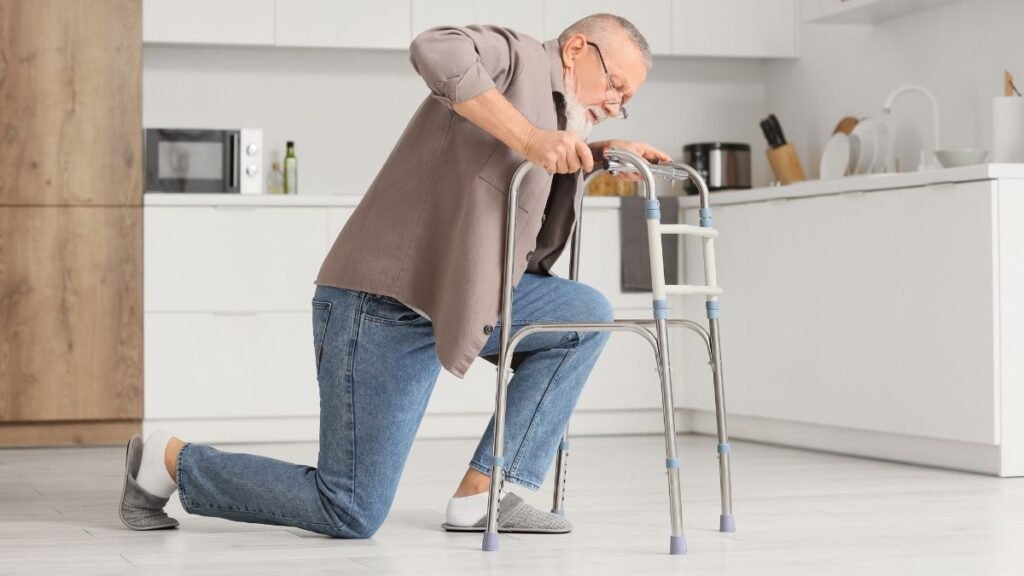
At 40, you might trip over a shoe and recover before you even think about it. Later in life, the same mistake can carry more risk because balance and reaction speed may not be as forgiving.
The CDC reported in February 2026 that more than 14 million adults age 65 and older report a fall each year. That works out to roughly one in four older adults.
Falls are not simply random events that everyone must accept with age. Strength, vision, medications, footwear, pain, and the home environment can all affect fall risk.
The National Institute on Aging recommends looking closely at common hazards around the home. Loose rugs, poor lighting, cluttered walking paths, and hard to reach storage can turn small mistakes into bigger problems.
You can lower some of that risk with simple changes:
- Improve lighting near stairs
- Remove unstable rugs
- Keep walkways clear
- Wear stable shoes
- Keep frequently used items within easy reach
- Add secure handholds where needed
- Use night lights between the bedroom and bathroom
Balance exercises can also help support confidence and control. Even simple movements done regularly may help when they are appropriate for your ability level.
You do not need to become afraid of falling. The better goal is to remove unnecessary risks before they cause trouble.
Common Changes and What You Can Do
| What Changes | What You May Notice | Practical Response |
|---|---|---|
| Muscle strength | Chairs and stairs feel harder | Add strength exercises twice weekly |
| Balance | More caution on uneven ground | Practice balance work and remove hazards |
| Vision | More trouble in low light | Improve lighting and schedule eye exams |
| Hearing | Noisy rooms feel tiring | Get hearing checked |
| Energy | Longer recovery after activity | Pace demanding tasks and stay active |
3. Sleep Changes Even Though You Still Need Plenty of It
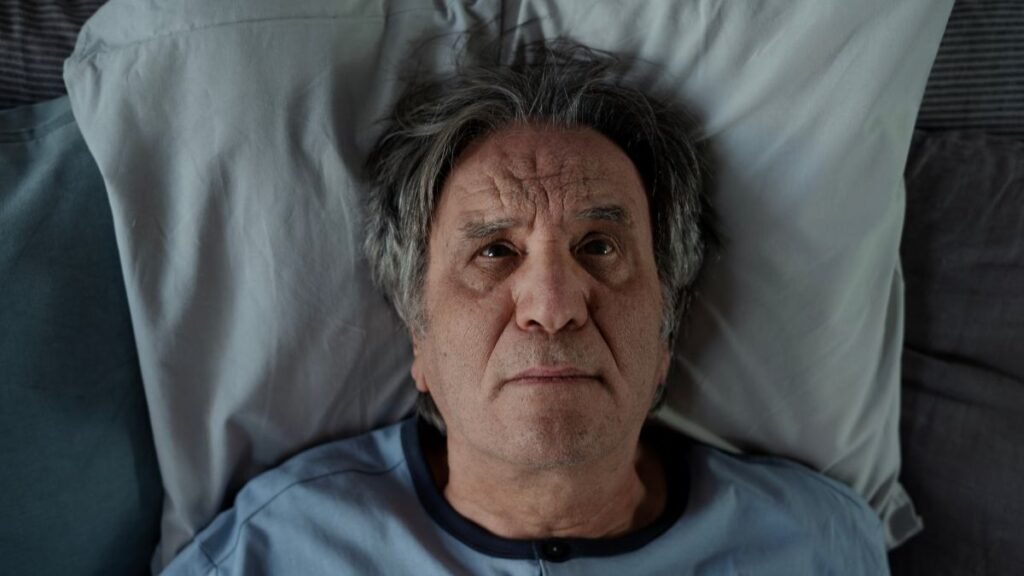
One common myth is that people need much less sleep after 70. The National Institute on Aging says older adults generally still need about seven to nine hours of sleep each night.
What often changes is the pattern of sleep rather than the basic need for it. You may become sleepy earlier, wake earlier, or spend more time awake during the night.
Sleep can also become lighter with age. That means a noise, bathroom trip, or uncomfortable position may wake you more easily than it once did.
Poor sleep should not automatically be dismissed as normal aging. Pain, medications, insomnia, sleep apnea, stress, restless legs, and other health problems can interfere with sleep.
A basic sleep diary can help reveal patterns. Write down when you go to bed, when you wake, how often you wake during the night, and how rested you feel in the morning.
It also helps to note caffeine, alcohol, exercise, and naps. After a week or two, you may see habits that are affecting your sleep more than you expected.
The goal is not to force your 70 year old body to sleep exactly as it did at 30. It is to separate common age related changes from ongoing sleep problems that deserve attention.
4. Conversations Can Become More Tiring Than You Expect

Hearing loss does not always feel like hearing loss at first. It can feel as if everyone suddenly started speaking too softly or restaurants became much louder.
The National Institute on Aging says hearing loss becomes more common with age. Because it often develops gradually, you may adapt to it before realizing anything has changed.
You may turn up the television or choose quieter places to eat. You might also stop joining conversations when several people are talking at once.
That can slowly affect your social life. Following a conversation takes more mental effort when speech is difficult to hear clearly.
The problem is especially noticeable in places with background noise. Restaurants, family gatherings, and public events can become surprisingly exhausting.
If this begins happening regularly, a hearing evaluation can help. Hearing problems may come from age related changes, earwax, medication effects, noise exposure, or other causes.
Do not treat hearing aids or other hearing devices as a sign that independence is ending. In many cases, better hearing supports independence because it makes communication easier.
5. Your Eyes Begin Asking for Better Conditions
A restaurant menu that was easy to read years ago may suddenly require the flashlight on your phone. You may also notice that glare from headlights or bright lamps feels more distracting.
Older eyes often need more useful light. Low light, glare, and rapid changes between bright and dark areas can become harder to manage.
The National Highway Traffic Safety Administration notes that age related changes in vision can affect driving ability. Night driving may become especially uncomfortable for some older adults.
This is also where your home environment starts to matter more. Good task lighting can make reading, cooking, medication management, and stair use much easier.
Consider improving light near:
- Kitchen counters
- Reading chairs
- Bathroom mirrors
- Stairs
- Closets
- Medication storage
- Entryways
More light does not mean every room needs a harsh ceiling fixture. A focused lamp beside your reading chair may help more than flooding the entire room with bright light.
Reducing glare also matters. Highly polished surfaces, exposed bulbs, and strong light aimed directly at your eyes can make vision less comfortable.
Regular eye exams become important because some eye problems are more common with age. Do not assume every new vision problem is simply something you have to accept.
6. Medications You Barely Thought About Before Matter More

Medication management often becomes more important after 70. The body can process certain medicines differently with age, and many older adults take several medications at the same time.
That creates more opportunities for side effects and interactions. A medicine that seemed simple years ago may deserve more attention when it is combined with several other products.
Your medication list should include more than prescriptions. Over the counter drugs, vitamins, sleep products, allergy medicines, herbal products, and supplements also matter.
Some medicines can contribute to dizziness, drowsiness, confusion, or balance problems. Those effects can become especially important if you are also managing vision or mobility changes.
Keep one complete medication list. Include the medicine name, dose, reason you take it, and the time you usually take it.
Bring that list to medical and pharmacy visits. Ask if every medicine is still needed and if any combination could be creating a problem.
Never stop a prescribed medication suddenly without medical guidance. Some drugs can cause serious problems when they are stopped too quickly.
Medication Review Checklist
| Item to Review | Why It Matters |
| Prescription medicines | Doses and combinations may need review |
| Over the counter drugs | They can interact with prescriptions |
| Sleep aids | Some can cause drowsiness or falls |
| Supplements | Natural products can still affect medications |
| Allergy medicines | Some may cause dry mouth or sleepiness |
| Pain relievers | Long term use can carry added risks |
7. Food May Taste Different Than It Used To

A favorite meal may start tasting flatter than it once did. You may notice that familiar foods seem less flavorful even though the recipe has not changed.
Taste and smell can change as people grow older. Certain medicines can also affect appetite, smell, or how food tastes.
The first reaction is often to add more salt or sugar. That is not always the best answer, especially if you are watching blood pressure or blood sugar.
Try adding flavor in other ways. Fresh herbs, garlic, ginger, lemon juice, vinegar, black pepper, and different textures can make food more interesting.
Temperature can also change how satisfying a meal feels. A hot soup, crisp salad, or chilled fruit may provide more sensory contrast than a meal with one soft texture.
Food safety deserves more attention too. Changes in smell and taste can make it harder to rely on your senses when deciding if food has spoiled.
Use proper refrigeration, safe cooking temperatures, and storage dates instead. A sniff test alone becomes less dependable.
Eating well after 70 is not about chasing a trendy diet. It is about making nourishing food easy and enjoyable enough that you keep eating well.
8. Driving May Feel Different Before You Decide to Drive Less

Many people remain safe drivers well into their 70s and beyond. Age alone does not determine whether someone should drive.
Still, certain abilities used while driving may change gradually. Night vision, reaction speed, neck movement, and attention in heavy traffic can all feel different.
You may notice those changes before anyone else does. Driving at night may feel stressful, while daytime driving still feels comfortable.
Some people naturally adjust their habits. They begin choosing familiar roads, avoiding rush hour, and leaving more space between cars.
Helpful changes may include:
- Driving during daylight
- Avoiding heavy traffic
- Choosing familiar routes
- Leaving more following distance
- Avoiding difficult intersections
- Asking someone else to drive at night
These changes are not a sign of failure. They are a way of matching driving conditions to your current abilities.
The more useful question is not whether you are too old to drive. Ask yourself if you are still driving safely in the conditions you choose.
Repeated near misses, getting lost on familiar roads, or feeling overwhelmed by normal traffic deserve attention. Family concerns should also be taken seriously when several people notice the same problem.
9. Your Social Circle Can Shrink Without Anyone Choosing It
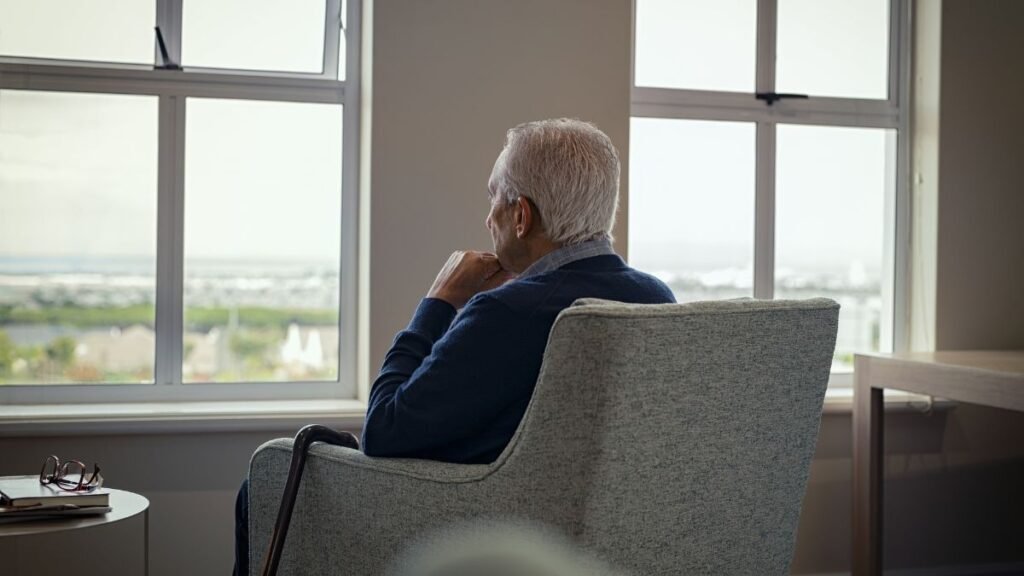
Your contact list may still be full, yet the number of people you see every week can slowly decline. This often happens without any argument or deliberate decision.
Retirement can reduce work friendships. Friends may move, develop health problems, lose a spouse, or stop driving as much.
Family members may also become busy with their own lives. The casual contact that once happened automatically can become less frequent.
The National Institute on Aging reported in its 2026 material that about one in four adults age 65 and older are socially isolated. Social isolation is different from enjoying time alone.
Some people genuinely enjoy solitude and feel content with a small social circle. The problem appears when you want meaningful contact but are no longer getting enough of it.
After 70, staying connected may require more planning. Instead of saying you should meet sometime, put an actual date on the calendar.
Helpful routines can include:
- Weekly coffee with a friend
- Family calls on a set day
- Walking groups
- Community classes
- Religious activities
- Volunteering
- Regular meals with friends
Friendship does not become less important with age. It may simply require more deliberate effort than it did earlier in life.
Social Changes After 70
| What Happens | Why It Can Happen | Helpful Response |
| Fewer casual conversations | Retirement or reduced outings | Join recurring activities |
| Friends live farther away | Moving or family changes | Schedule regular calls |
| Group events feel harder | Hearing or mobility changes | Choose smaller gatherings |
| Driving limits increase | Night driving feels difficult | Meet during daylight |
| More time alone | Loss or lifestyle change | Build one dependable weekly routine |
10. Your Home Starts Working for You or Against You
A house that felt effortless at 50 may feel very different at 75. The stairs and cabinets have not changed, but the way you move through them may have.
That is why home design becomes more about ease as you get older. Small annoyances can turn into daily barriers when strength, balance, or vision changes.
A low chair may become hard to rise from. A dark hallway may feel less safe at night, while a high cabinet may tempt you to climb onto something unstable.
These problems do not require turning your home into a medical space. Many useful changes can look completely normal and attractive.
Consider making these adjustments:
- Improve stair and hallway lighting
- Remove loose rugs
- Store common items between waist and shoulder height
- Choose stable chairs with supportive arms
- Keep walkways wide and clear
- Add secure grab bars where they are useful
- Place night lights near the bedroom and bathroom
The goal is convenience as much as safety. A home that is easier to use can save energy and help you remain independent.
Good aging in place design often goes unnoticed. The room simply feels easier to live in because fewer things require extra effort.
11. You Become More Protective of Your Time and Energy

This change is harder to measure, but many people recognize it quickly. Activities that once seemed important may no longer feel worth the energy they require.
You may become less interested in arguments, obligations, or social events you never enjoyed. At the same time, quiet mornings, close friendships, and control over your schedule may feel more valuable.
That does not mean everyone becomes calmer after 70. Personality remains personality, and people continue to have very different priorities.
What often changes is the willingness to spend limited energy on things that do not matter much. Saying no can become easier because your time feels more valuable.
There is an important difference between choosing a calmer life and losing interest in everything. Sudden withdrawal, persistent sadness, or loss of interest in activities you normally enjoy can be signs that something else is going on.
The National Institute on Aging notes that depression in older adults may appear as loss of interest or emotional numbness. Those changes deserve attention if they become persistent.
Being more selective with your time can be healthy. The key is making sure you are moving closer to the life you want rather than slowly disconnecting from it.
What You Can Still Control After 70
Aging affects everyone differently, and no table can predict exactly how your 70s will feel. Still, many common changes give you something practical to work on.
| Area | What May Change | What You Can Control |
| Strength | Muscle power may decline | Regular strength work |
| Balance | Recovery from a stumble may slow | Balance training and home safety |
| Sleep | Sleep may become lighter | Routine, activity, medical review |
| Hearing | Speech may be harder to follow | Hearing testing and treatment |
| Vision | Low light may become harder | Eye care and better lighting |
| Medications | Side effects may become more noticeable | Regular medication reviews |
| Social life | Contact can decrease | Planned recurring connection |
| Driving | Night or busy driving may feel harder | Safer routes and timing |
| Home | Daily tasks may require more effort | Simple aging in place changes |
The pattern is encouraging because you are not powerless. You may not control every age related change, but you can influence how well your daily life works around it.

I’m Austin Becker, an advocate for living life with intention and resilience. I write for men who are actively navigating life’s major transitions, tackling the realities of reinvention and finding renewed purpose with grit and honesty. I believe that personal growth doesn’t have a deadline it’s about continuously gearing up for the chapters that matter most.
Through my work, I aim to strip away the clichés of modern manhood, offering practical, no-nonsense insights on health, mindset, and legacy for those who want to move forward with strength and clarity.